AI Meets Web Design: Crafting the Future of User Experience with Predictive Personalization
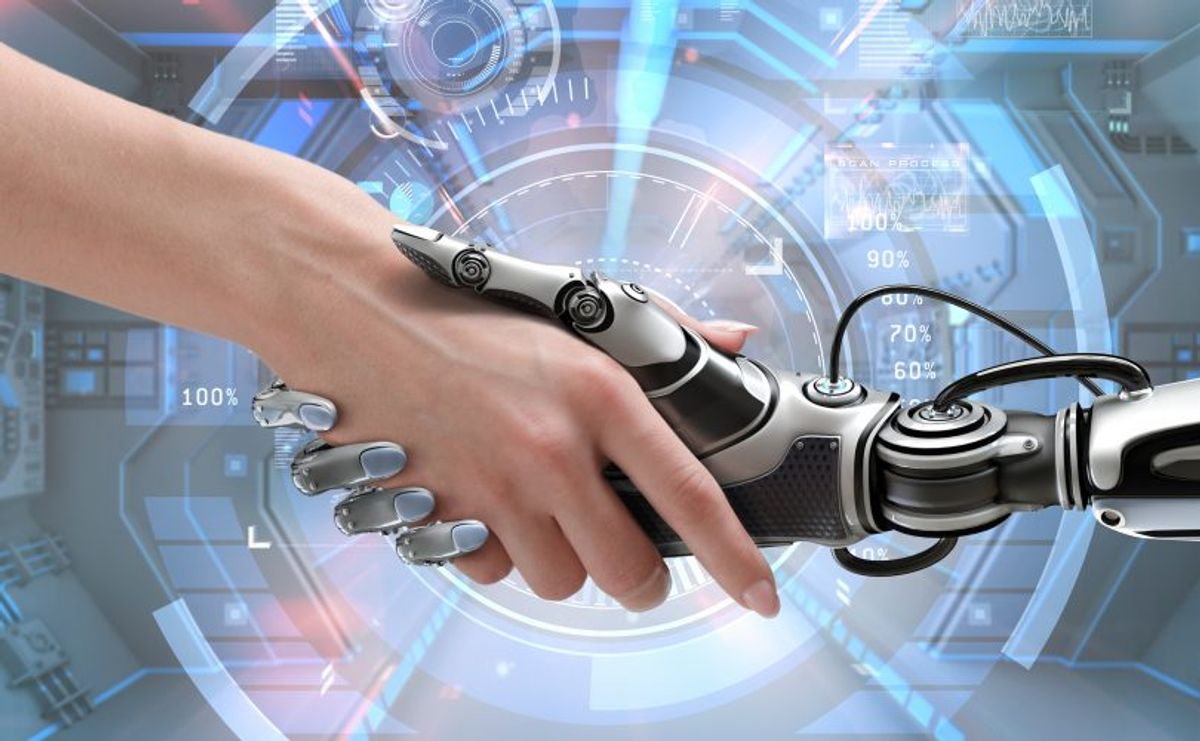
Artificial Intelligence (AI) is revolutionizing the field of web design by introducing predictive personalization, a powerful tool that anticipates user preferences to create dynamic, responsive designs. This advancement is set to transform user experience and engagement, making every interaction with a website uniquely tailored to the individual. In this article, we delve into the synergistic relationship between AI and web design, exploring how real-time customization based on data-driven insights can elevate the shopping experience, and ultimately, boost sales.
Key Takeaways
- AI-driven predictive personalization is reshaping web design by creating user experiences that are highly tailored to individual preferences and behaviors.
- Real-time customization of websites, facilitated by AI, significantly enhances user engagement and has a direct positive impact on sales and customer loyalty.
- In-depth analysis of customer data, including browsing patterns and purchase history, allows AI to deliver precise and relevant content, driving a more intuitive and humanized customer experience.
- Emerging AI technologies are enabling interactive and omnichannel experiences that meet modern shoppers' expectations for personalized and responsive online interactions.
- Strategic integration of predictive AI into web platforms is crucial for businesses to maintain a competitive edge, and staying informed on future trends is essential for continued success in web design.
The Symbiosis of AI and Web Design in Personalization
Understanding Predictive Personalization
At the heart of modern web design lies the concept of predictive personalization, a technique that harnesses the power of AI to tailor the digital landscape to the individual user. Predictive personalization is not just about reacting to user actions; it's about anticipating needs and crafting experiences that resonate on a personal level. By analyzing data on user behavior, preferences, and past interactions, AI can create a unique and dynamic user experience for each visitor.
The pathway to implementing an AI-driven personalization strategy is critical. It begins with data collection and analysis, enabling the prediction of future behaviors and the tailoring of strategies to individual needs.
Businesses that embrace this approach can expect to see a marked improvement in customer engagement and satisfaction. The table below outlines the key benefits of predictive personalization:
| Benefit | Description |
|---|---|
| Enhanced User Experience | Makes customers feel valued and understood. |
| Proactive Engagement | Predicts customer needs and behaviors. |
| Increased Customer Satisfaction | Bridges the gap between customer preferences and technology. |
To truly excel in this domain, consider partnering with experts like Stas Sorokin, who specialize in AI-powered web application development. Embracing predictive personalization is not just a trend; it's a strategic move towards a more intuitive and human-centric web design. Remember, the future of user experience is not static; it evolves with every click and swipe, and with AI, your web platform can lead the charge in this exciting new era.
The Role of AI in Dynamic Design
In the vanguard of Web Design Innovation AI, the Automated Web Design AI is reshaping the landscape of digital experiences. By integrating AI into the design process, we witness a paradigm shift where AI enhances requirements analysis, design, prototyping, and code generation, revolutionizing the development process. This not only improves speed and accuracy but also brings adaptability and stakeholder engagement to new heights.
AI for Responsive Design goes beyond mere aesthetics; it's about creating a seamless user experience across all devices. The AI's ability to analyze vast amounts of data and predict user behavior results in designs that are not only visually appealing but also highly functional and user-centric.
The predictive capabilities of AI are setting a new standard in personalized web experiences, enabling designs that adapt in real time to user interactions.
As we delve deeper into the symbiosis of AI and web design, it's crucial to understand the transformative impact it has on user engagement and satisfaction. The table below illustrates the key benefits of integrating AI into web design:
| Benefit | Description |
|---|---|
| Enhanced User Experience | AI-driven designs offer personalized experiences, increasing user satisfaction. |
| Increased Efficiency | Automated processes reduce time-to-market for new designs. |
| Improved Accessibility | AI ensures designs are accessible to a wider audience, including those with disabilities. |
Embrace the future of web design by leveraging the power of AI. Let's craft digital experiences that resonate with users and stand the test of time. The journey towards a more intuitive and engaging web begins now.
Enhancing User Engagement Through AI
The advent of AI-Enhanced User Experience marks a pivotal shift in how users interact with web platforms. AI and UX/UI Design converge to create a seamless, intuitive environment that responds to user behavior in real-time. Personalized Web Experiences AI not only cater to individual preferences but also anticipate needs, leading to a profound increase in user engagement and satisfaction.
- AI-driven algorithms analyze user data to tailor content, offers, and aesthetics.
- Real-time adjustments to UI elements based on user interactions.
- Predictive personalization enhances the relevance of web experiences.
AI-Driven Web Aesthetics go beyond mere visual appeal, incorporating user data to dynamically adjust layouts, color schemes, and typography. This level of personalization ensures that each user feels uniquely understood and valued, fostering a deeper connection with the web platform.
The integration of AI into web design is not just about technology; it's about creating a digital space that feels personal and alive, adapting to each user as if it were crafted just for them.
By harnessing the power of AI, businesses can transform their web platforms into dynamic entities that evolve with their users. The result is a more engaging, more effective, and ultimately more successful online presence. Embrace the future of web design with AI, and watch as your user engagement metrics soar.
Data-Driven Personalization: A New Paradigm in User Experience
Harnessing Customer Behavior Insights
In the realm of web design, AI's predictive capabilities are revolutionizing how we understand and cater to user behavior. By meticulously tracking user actions, AI can pinpoint moments when customers are most receptive to specific content or offers. This behavior recognition is not just about observing; it's about anticipating needs and delivering a tailored experience that feels almost intuitive.
- Behavior Recognition: AI tracks user actions to predict when they're most receptive.
- Segment Analysis: It segments audiences to target desires with precision.
- Context Awareness: AI senses page dwell time and navigation habits.
The synthesis of data-driven insights and customer behavior is the compass that guides personalization. With AI, we delve into patterns, predict trends, and craft offers that resonate on an individual level.
The strategy benefits are clear. Analyzing page clicks and navigation paths reveals popular products and potential bottlenecks. Monitoring shopping cart additions and removals provides a window into buyer hesitation, allowing for timely interventions. Furthermore, evaluating social media interactions offers a glimpse into brand sentiment and engagement, essential for shaping a responsive web design.
The Bles Software website exemplifies the transformative role of AI across various business stages, from scalable growth and business expansion to SaaS innovation and efficient software development. As we continue to adapt AI customer experiences to meet evolving needs, the key to success lies in our ability to learn from and act upon these insights. Embrace the future of web design by integrating predictive personalization and watch as your user engagement and sales soar.
The Impact of Real-Time Customization on Sales
In the digital marketplace, real-time customization is not just a feature—it's a game-changer for sales. By analyzing user behavior and deploying AI-driven personalization, websites can present contextually relevant offers that significantly boost user engagement and conversion rates. Here's how real-time customization impacts sales:
- Dynamic content adjusts to reflect user behavior patterns, keeping the shopping experience fresh and relevant.
- Voice-activated controls and gesture recognition technologies provide seamless browsing, reducing friction and encouraging continued interaction.
- Tailored offers appear at opportune moments, increasing the likelihood of immediate purchase.
By employing intelligent algorithms, these solutions ensure that every website visit is maximized for potential sales, setting the stage for a more tailored and efficient shopping experience.
The immediacy of AI's response to consumer actions is pivotal. It transforms passive browsing into an active, personalized journey that not only improves the likelihood of conversion but also fosters lasting customer relationships. For businesses, adopting AI-driven personalization is not just about staying current; it's about leading the charge in a competitive digital landscape. To harness the full potential of real-time customization, consider the following strategies:
- Implement AI to track and analyze user behavior in real-time.
- Use insights to create dynamic, contextually relevant content and offers.
- Ensure seamless integration across all digital platforms for a unified user experience.
Embrace the transformative power of AI in web design and watch your sales soar. The future of user experience is personalized, predictive, and profitable. Are you ready to be part of it?
Case Studies: Transformative Personalization in Action
In the digital era, personalized, AI-powered offers drive incredible sales outcomes. Businesses that have embraced this approach have revolutionized their sales strategies, turning casual browsers into loyal customers. Hyper-personalization has emerged as the golden grail, pushing marketers beyond the standard to deliver uniquely tailored experiences amidst the noise of information overload.
- Personalized Experiences: Tailoring user interactions to individual preferences and behaviors not only increases engagement but also fosters a sense of belonging among users.
- Responsive and Adaptive Design: A seamless digital experience across various devices and platforms is no longer optional; it's imperative for retaining the modern consumer.
- Creative Storytelling: Employing narrative techniques connects users emotionally, making the brand more relatable and memorable.
Imagine a digital storefront that greets you by name, showcasing products you adore. This is the power of AI in web design; it's not just a trend but the backbone of successful online sales strategies.
With these insights, you are ready to take the first step towards transforming your website into a sales powerhouse with the help of AI personalization. Customization in AI SaaS is crucial for competitive advantage, tailoring solutions to diverse business needs through strategic framework leads to operational efficiency and market differentiation. Embrace the future of user experience and stay ahead in the market by integrating predictive personalization into your web design today.
The Evolution of Customer Interaction with AI Integration

Bridging Customer Preferences with AI Technologies
In the digital marketplace, personalization is the cornerstone of customer satisfaction. AI technologies are pivotal in decoding the complex tapestry of customer behavior, enabling brands to tailor experiences that resonate on a personal level. By harnessing AI, businesses can transform vast amounts of data into meaningful interactions, ensuring that each customer feels uniquely understood.
To achieve this, a strategic approach is essential:
- Embrace AI metrics for strategic growth
- Optimize marketing ROI with AI analytics
- Improve customer targeting and personalization
The seamless integration of AI into the customer journey is not just a technological achievement; it's a new paradigm in customer care.
Adapting AI to meet customer needs is the key to success. It requires a commitment to continuous learning and refinement, ensuring that AI solutions evolve with customer expectations. The result is a shopping experience that feels intuitive, convenient, and distinctly human.
Creating Intuitive and Responsive AI Customer Experiences
In the realm of web design, the integration of AI has become a cornerstone for creating intuitive and responsive customer experiences. AI's predictive capabilities are not just about efficiency; they are about fostering unique, immersive interactions that honor the customer's individual journey.
- AI-driven design adapts in real-time, reflecting an understanding of customer behavior and preferences.
- It anticipates needs, offering solutions before the customer even identifies a desire.
- The technology respects customer autonomy, providing options rather than dictating actions.
The future of AI in customer experience lies in its ability to create emotionally intelligent interactions that resonate on a personal level.
Businesses leveraging AI in web design are witnessing a transformative impact on customer engagement. The table below illustrates the key benefits of AI integration in web design:
| Benefit | Description |
|---|---|
| Personalization | Tailored experiences based on user data |
| Efficiency | Quicker, more accurate responses to user needs |
| Engagement | Higher user interaction and satisfaction |
| Conversion | Increased likelihood of user action |
To truly revolutionize customer experience, it is essential to prioritize human-centric design, ensuring that AI solutions are not only smart but also empathetic and respectful of the human touch. Join the extraordinary revolution in customer experience by embracing AI's potential to enhance your web platform. Discover how to contribute to this evolving field and exceed customer expectations in the age of AI.
McKinsey Report Insights on AI-Enhanced Customer Service
The McKinsey report delineates a transformative journey of customer service through the lens of AI, from its nascent stages to a sophisticated, digitally enabled engagement. At the pinnacle of this evolution, AI serves not just as a tool but as a proactive partner, anticipating customer needs and delivering a seamless experience.
- Level 1: Manual, high-touch interactions
- Level 2: Basic digital assistance
- Level 3: Contextual communication
- Level 4: Predictive support
- Level 5: Personalized, digitally enabled engagement
AI's prowess in dissecting vast amounts of data—browsing patterns, purchase history, social media activity—empowers businesses to offer a highly personalized customer experience. By understanding individual preferences, companies can tailor their services to meet the unique demands of each customer, fostering a sense of individual attention and care.
The integration of AI in customer service is not just about technology; it's about crafting a human-centric approach that resonates with customers on a personal level.
As we delve into the practical applications of AI in customer service, we encounter Stas Sorokin, a professional on Fiverr, whose expertise in web development and AI applications exemplifies the potential of AI to revolutionize user experiences. Embracing AI is not a mere trend—it's a strategic imperative for businesses aiming to thrive in a competitive digital landscape. Dive deeper into the world of AI and customer service, and discover how to leverage these insights for your business.
Interactive Dynamics and AI: Engaging the Modern Shopper
The Emergence of AI-Powered Interactive Offers
In the fiercely competitive digital marketplace, AI-powered interactive offers are revolutionizing the way businesses engage with consumers. By analyzing user behavior, these intelligent systems deliver personalized incentives that align with individual preferences, significantly boosting conversion rates.
The key advancements driving these offers include:
- Machine Learning Algorithms: Suggesting products that align with shopper habits.
- Natural Language Processing: Enabling AI to communicate with customers naturally.
- Predictive Analytics: Anticipating future buying trends for better inventory management.
- Real-Time Data Processing: Ensuring offers match current customer desires for increased relevance.
By employing intelligent algorithms, these solutions present contextually relevant promotions in real-time, enhancing user engagement. The immediate response to consumer actions maximizes every website visit for potential sales, laying the groundwork for lasting customer relationships.
Businesses that have integrated AI into their sales strategies have seen remarkable results. For instance, eFashion Boutique witnessed a 150% increase in sales, AutoGear Universe doubled its quarterly revenue through improved customer retention, and Gizmo Gadgets raised its average order value by 45%.
AI is not just a technological advancement; it is a strategic tool that is transforming business operations. By predicting consumer behavior, optimizing inventory, and providing data-driven insights, AI offers a competitive edge in the market. Embrace the future of web design and user experience by integrating predictive personalization into your platform. The time to act is now—don't let your business fall behind.
Real-Time Personalization and Omnichannel Experiences
In the age of information overload, hyper-personalization stands as the golden grail of marketing, a beacon guiding the customer through a sea of irrelevance to the shores of tailored experiences. AI-driven analytics revolutionize customer engagement, loyalty, and lifecycle management, ensuring that each interaction is not just a transaction, but a step in a journey of continuous discovery and satisfaction.
The AI can modify the user experience in real time according to the actions of the customer, creating a highly personalized shopping experience that resonates with individual preferences and behaviors.
By leveraging AI, brands can seamlessly integrate data from diverse sources, including online, in-store, mobile, and social media channels. This omnichannel approach ensures that customers can fluidly switch between channels and continue their journey without interruption, experiencing a consistent and adaptive design that feels intuitive and responsive. Here's how AI enriches the omnichannel experience:
- Personalized Experiences: Tailoring user interactions to meet individual preferences and behaviors leads to an increase in engagement.
- Responsive and Adaptive Design: Ensuring the digital experience is consistent and accessible across various devices and platforms.
- Creative Storytelling: Using narrative techniques to connect with users on an emotional level, making the brand more relatable and memorable.
In this data-driven era, personalization is not just a feature—it's a necessity. Brands that harness the power of AI to deliver real-time personalization across all channels are the ones that will thrive. Embrace the future of user experience; let AI take the helm of your web design and steer your brand towards growth and a formidable competitive advantage.
Innovations in AI-Driven User Interface and Interaction
The interface is where human meets digital, and AI is revolutionizing this space with unprecedented innovations. AI-driven interfaces are now capable of adapting in real-time, offering a tailored experience that feels almost human in its intuition. These interfaces go beyond static pages, dynamically changing to fit the user's immediate needs and past behaviors.
- Adaptive Navigation: Menus and options evolve, predicting the user's next move.
- Predictive Content Delivery: Content is not just displayed; it's curated in real-time, aligning with the user's interests.
- Intelligent Interaction: Every click, swipe, and hover is analyzed, creating a feedback loop that continuously refines the user experience.
The result is a seamless and engaging digital journey, where each interaction is a step towards a more personalized web.
The implications for web design are profound. As AI becomes more integrated into UI, the role of the designer shifts from creating a one-size-fits-all solution to crafting adaptive, intelligent systems that learn and evolve. This is not just about aesthetics; it's about creating a connection, a digital rapport that resonates with users on an individual level. The future of web design is not static; it's dynamic, responsive, and deeply personal.
To harness the full potential of AI in your web design projects, consider the following strategies:
- Implement AI-driven analytics to understand user behavior.
- Use AI to automate and personalize user interactions.
- Continuously test and refine AI algorithms to ensure relevance and engagement.
Embrace the future of web design with AI, and create experiences that not only meet expectations but exceed them. The journey towards a more intuitive, personalized web is just beginning, and the opportunities for innovation are limitless. Join us in crafting the future of user experience.
Strategies for Integrating Predictive AI into Web Platforms
Best Practices for AI Offer Implementation
The implementation of AI-driven personalized offers is not just about technology; it's about strategically aligning it with your business goals to enhance the customer journey. Start with clear, measurable objectives—whether it's boosting sales, improving customer retention, or enhancing the overall user experience.
To ensure a seamless integration, focus on the following steps:
- Choose the right AI software that complements your website's infrastructure.
- Prioritize user privacy by selecting tools that adhere to data protection regulations.
- Conduct A/B testing to determine the most effective offers before a full-scale launch.
Remember, the key to successful AI offer implementation lies in its ability to adapt in real-time to user behavior. This dynamic approach not only increases the relevance of your promotions but also creates a more engaging and personalized experience for your customers. As you embark on this journey, consider professional API integration services to streamline the process and provide ongoing support and maintenance.
Leveraging AI for Competitive Advantage in Web Design
In the fiercely competitive realm of digital landscapes, AI in Web Design stands as a game-changer. AI Web Design Tools are not just about aesthetics; they are about creating a seamless user experience that is both intuitive and predictive. AI Web Layout Optimization ensures that every visitor is greeted with a layout that resonates with their preferences, while AI-Powered Design Features adapt in real-time to user interactions.
The adoption of AI Web Design Best Practices is crucial for businesses aiming to stay ahead. Intelligent Web Design Technologies are the cornerstone of a strategy that prioritizes efficiency and user-centric design. Here's how AI can be leveraged for a competitive edge:
- AI in Creative Web Solutions: Crafting unique experiences that captivate and retain users.
- AI for Web Design Efficiency: Streamlining design processes to deliver faster and more reliable websites.
By integrating these AI-driven strategies, businesses can not only enhance their online presence but also forge a path to innovation and growth.
Stas Sorokin, an AI expert, delivers exceptional lectures and projects tailored to individual needs, exceeding expectations and providing innovative solutions in the high-tech domain. Embracing such expertise is pivotal for those who wish to excel in the integration of AI into web design. Are you ready to transform your web presence with the power of AI? Dive into the world of AI-enhanced web design and witness the transformative effects on your user engagement and sales.
Future Trends in AI and Web Design Synergy
As we peer into the horizon of web design, the integration of AI is not a mere enhancement but a transformative force. The future is poised to unveil AI-DevOps collaboration, where the seamless melding of development, operations, and AI will revolutionize the lifecycle of web applications. Explainability will take center stage, ensuring AI models are not black boxes but transparent mechanisms that foster trust and understanding.
The evolution of AI in web design transcends traditional code generation, ushering in an era of intelligent applications that are continuously refined. This is not just about efficiency; it's about creating adaptable, responsive software ecosystems that can pivot with user needs and market dynamics. The challenges ahead, such as data privacy and the necessity for ongoing skill development, highlight the need for a strategic and ethical approach to AI integration.
The fusion of AI and software development isn't just a paradigm shift; it's an evolutionary leap.
As we embrace these trends, businesses must remain agile, leveraging predictive analytics and machine learning to drive informed decision-making. This continuous journey of AI integration emphasizes strategic planning, ethical considerations, and continuous learning, ensuring that businesses stay competitive in a rapidly changing digital landscape.
Stay ahead of the curve by joining our upcoming webinars:
- Beyond the Trends: Personalization, Generative AI & Composable Architecture for a Competitive Edge in 2024
- 5 Ways To Level Up Your Personalization Strategy in 2024
Embrace the future of AI and web design synergy—register now to unlock the secrets to digital success.
Conclusion
As we stand at the confluence of AI and web design, it is evident that predictive personalization is not merely a fleeting trend but a transformative force in user experience. The integration of AI into web design heralds a new era where user interfaces are not static but dynamic canvases that adapt in real time to individual preferences. This article has explored the myriad ways in which AI-driven personalization can enhance customer engagement, streamline the shopping experience, and ultimately revolutionize online sales strategies. By leveraging data-driven insights and embracing the power of AI, businesses can craft digital experiences that are not only intuitive and responsive but also deeply human. The future of web design is one where personalization is at the core, promising a more engaging, efficient, and personalized web for all users.
Frequently Asked Questions
How does AI enhance the personalization of web design?
AI enhances web design personalization by analyzing user data to predict preferences and tailor dynamic, responsive designs. This results in a more engaging and relevant user experience.
What is the impact of real-time customization on online sales?
Real-time customization significantly impacts online sales by providing a personalized shopping experience that keeps customers engaged and increases the likelihood of return visits for more tailored interactions.
Can you provide examples of successful AI-driven personalization?
Yes, there are numerous case studies where businesses have used AI-driven personalization to transform their websites into sales powerhouses by crafting offers that resonate with individual customers.
What upcoming webinars can help me learn about AI in personalization?
Upcoming webinars include 'Beyond the Trends: Personalization, Generative AI & Composable Architecture for a Competitive Edge in 2024' and '5 Ways To Level Up Your Personalization Strategy in 2024'.
How does AI contribute to creating intuitive and responsive customer experiences?
AI contributes by analyzing large volumes of customer data, including browsing patterns and purchase history, to create experiences that are both intuitive and responsive to individual customer preferences.
What are some innovations in AI-driven user interface and interaction?
Innovations include AI-powered interactive offers and real-time personalization that cater to the unique needs of each visitor, much like having a personal shopper but automated and more efficient.
Comments
Post a Comment