Embracing AI in Web Design: Revolutionizing User Experience with Predictive Customization
The integration of artificial intelligence (AI) into web design is a game-changing movement, redefining the way users interact with digital platforms. By employing AI to understand and predict user preferences, web design can now offer unprecedented levels of personalized experiences, leading to more engaging and responsive websites. This article delves into the transformative role of AI in web design, exploring how predictive customization is revolutionizing user experience and setting a new standard for user-centric design.
Key Takeaways
- AI-driven predictive analytics and machine learning are central to crafting personalized user experiences, enabling web designs that adapt dynamically to individual user interactions.
- Automated feedback loops and proactive content delivery systems, powered by AI, enhance user satisfaction by delivering tailored content and intuitive interface optimizations.
- Ethical considerations and the maintenance of the human element in design are crucial as AI becomes more integrated into web design processes, ensuring trust and transparency.
- AI is not only optimizing current design workflows but also unlocking new possibilities for innovation and creativity in web development.
- The future of web design lies in the synergy of AI and human creativity, balancing efficiency with intuition to create superior, user-focused web experiences.
The Synergy of AI and Web Design: Crafting Personalized User Experiences
The Role of Predictive Analytics in User Experience Design
In the digital age, Personalized Web Experiences AI has become a cornerstone of user-centric design. Predictive analytics, a sophisticated facet of AI, empowers designers to foresee user behavior and craft experiences that are not just reactive, but proactive. This preemptive approach to design ensures that users feel understood and valued, as their needs are anticipated and met with precision.
Predictive analytics tools forecast user behavior, traffic patterns, and engagement metrics, enabling the proactive optimization of user experiences.
The table below showcases the transformative power of predictive analytics in enhancing user experience:
| Metric | Before Predictive Analysis | After Predictive Analysis |
|---|---|---|
| User Engagement | Low | High |
| Conversion Rate | Moderate | Increased |
| Customer Satisfaction | Varies | Improved |
By integrating these AI-powered techniques, businesses can ensure that their offerings resonate with their target audience on a deeply personal level. The future implications of this technology are vast, but so are the challenges. As we continue to advance in AI technologies, the need for professional API integration services becomes crucial, ensuring that predictive analytics tools are seamlessly incorporated into web design processes.
Automating User Feedback Loops for Enhanced Customization
In the pursuit of AI-Enhanced User Experience, the automation of user feedback loops stands as a cornerstone. By leveraging AI, web design transcends traditional boundaries, evolving into a dynamic, user-responsive entity. Imagine a world where your website intuitively adapts to each visitor, where AI Web Layout Optimization is not a distant dream but a tangible reality.
The integration of AI in automating feedback loops transforms passive websites into active participants in user engagement. This shift not only streamlines the design process but also ensures that every user interaction is a step towards a more personalized web experience.
The benefits of this automation are manifold:
- Continuous Learning: AI systems tirelessly analyze user behavior, refining the user experience with each interaction.
- Proactive Improvement: By identifying trends and user pain points, AI facilitates immediate and future enhancements.
- Increased Responsiveness: Quick adaptation to user feedback signals to users that their preferences are shaping their web experience.
By embracing these automated systems, designers and businesses can focus on what truly matters—delivering a user experience that feels personal, engaging, and ever-evolving. The call to action is clear: integrate AI to not just meet but anticipate the needs of your users. As Stas Sorokin, a Pro freelancer, demonstrates with GPT-4 in app development, the potential for automation, content generation, and insights is immense. It's time to harness this potential and revolutionize the way we think about web design.
The Impact of AI on Design Thinking and User Engagement
The integration of AI into the realm of web design has ushered in a transformative era for AI and UX/UI Design. Design thinking, traditionally a human-centric approach, is now being augmented by AI's predictive capabilities, leading to more personalized and engaging user experiences. AI's role in design thinking extends beyond mere aesthetics; it encompasses a strategic framework that leverages data-driven insights to anticipate user needs and preferences.
In the context of user engagement, AI's predictive analytics are pivotal in crafting interfaces that resonate with users on a deeper level. By analyzing user behavior patterns, AI can suggest design modifications that enhance usability and satisfaction. This synergy between AI and design thinking is not just about creating visually appealing interfaces, but about fostering a responsive and adaptive environment where user feedback is continuously integrated into the design process.
The AI integration in business is a continuous journey of transformation. Strategic planning, ethical considerations, and continuous learning are key.
As AI continues to evolve, the potential for creating tailored, user-centric experiences becomes even more profound. The table below illustrates the impact of AI on key aspects of design thinking and user engagement:
| Aspect | Without AI | With AI |
|---|---|---|
| Personalization | Generic | Highly Customized |
| Responsiveness | Static | Dynamic |
| User Feedback | Manual Analysis | Automated Insights |
| Innovation | Incremental | Exponential |
Embrace the journey of AI integration in your business to stay ahead in the competitive landscape of web design. Predictive analytics and machine learning are not just tools; they are the bedrock of informed decision-making and operational efficiencies. Building AI literacy across your organization is crucial for success. Let's revolutionize user experience together.
Predictive Personalization: The Frontier of User-Centric Web Design
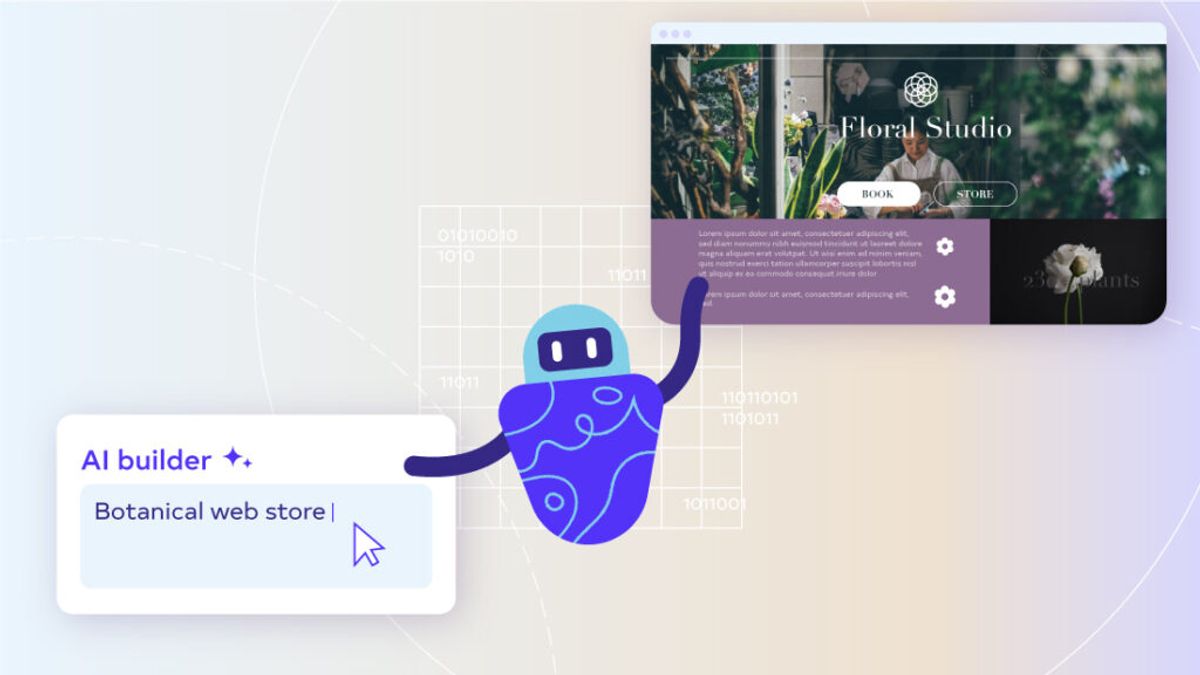
Leveraging Machine Learning for Dynamic Website Adaptation
The advent of Machine Learning (ML) in web design has ushered in an era of unprecedented customization. By analyzing user behavior patterns, ML algorithms empower websites to deliver a truly personalized experience. This dynamic adaptation ensures that each visitor encounters a unique interface, meticulously tailored to their preferences and interactions.
-
Enhanced decision accuracy and agility in market responsiveness are at the heart of this technological revolution. Websites equipped with ML are not just reactive but predictive, anticipating user needs and preferences to offer a seamless and engaging experience.
-
Continuous improvement is a hallmark of ML integration, with AI models evolving to provide ever more accurate predictions and recommendations. This is not just a trend but a crucial integration for businesses aiming to thrive in the digital era.
The synergy between AI and web design is transforming the landscape of user experience, making it more intuitive, responsive, and satisfying than ever before.
The benefits of ML in web design extend beyond mere aesthetics and functionality. It encompasses everything from SEO strategies to robust security frameworks, adapting and improving defenses against evolving threats. The result is a more secure, efficient, and user-centric website that not only engages visitors but also fosters loyalty and drives conversions.
Proactive Content Delivery through Predictive User Modeling
In the realm of web design, the integration of predictive user modeling has marked a paradigm shift in how content is delivered to users. By leveraging the insights gleaned from predictive analytics, websites can now anticipate user needs and tailor experiences in unprecedented ways. This proactive approach to content delivery ensures that users are met with relevant, engaging, and personalized content that resonates with their unique preferences and behaviors.
The essence of predictive personalization lies in its ability to adapt content dynamically, creating a seamless and intuitive user journey. By doing so, it not only enhances user satisfaction but also fosters a sense of connection between the user and the digital environment.
The table below succinctly captures the transformative impact of predictive analysis on user experience:
| Aspect | Impact of Predictive Analysis |
|---|---|
| Engagement | Increased through tailored content |
| Satisfaction | Heightened by relevant recommendations |
| Conversion | Boosted by anticipatory personalization |
As we continue to witness the evolution of AI in web design, it is imperative for designers and developers to harness these technologies to deliver content that not only meets but anticipates user expectations. The Bles Software website discusses the efficiency and transformative potential of such AI-driven automation, highlighting the importance of staying at the forefront of emerging technologies like AI and quantum computing.
Embrace the future of web design by integrating predictive user modeling into your strategy. Let's revolutionize the user experience together—proactively, personally, and powerfully.
Maximizing User Satisfaction with AI-Optimized Interfaces
In the pursuit of excellence in web design, AI-optimized interfaces stand at the forefront, transforming the way users interact with digital platforms. AI's role in UX design is pivotal, as it meticulously analyzes user behavior to forge interfaces that are not only intuitive but also deeply satisfying. By automating design tasks and enabling mass customization, AI ensures that each user's experience is as unique as their digital footprint.
The power of AI in enhancing user experiences is evident in its ability to offer intelligent recommendation systems. These systems are the architects of a nearly tailored experience, analyzing user behavior to present content and suggestions with uncanny relevance. The result is a seamless and personalized journey through the web, one that resonates with the individual needs and preferences of users.
The synergy between AI and web design is crafting a future where user satisfaction is not just a goal, but a continuous, evolving reality.
To truly appreciate the transformative impact of AI, consider the following benefits:
- Personalization on an unimaginable scale: AI's predictive capabilities allow for a customization that feels almost individually crafted.
- Efficient and intuitive interfaces: By understanding user patterns, AI optimizes the usability of web platforms, making them more accessible and engaging.
- Automation of creative processes: Designers are freed from repetitive tasks, allowing them to focus on innovation and creative problem-solving.
As we embrace this revolution, it's crucial to seek guidance from experts who navigate the AI landscape with finesse. Stas Sorokin, a Pro Verified Seller, is renowned for his ability to demystify AI in web development, offering clear explanations and quality projects that elevate user experiences to new heights. Engage with professionals like Sorokin to ensure your web design not only meets but exceeds user expectations. The future of web design is here, and it is inherently user-centric, thanks to AI.
Navigating the Challenges and Future Implications of AI in Web Design
Anticipating Ethical Considerations in User Data Analysis
In the realm of web design, where AI's predictive capabilities are harnessed to tailor user experiences, ethical considerations take center stage. Businesses must ethically deploy AI for competitive advantage, focusing on transparency, accountability, fairness, and privacy. Designers are tasked with the delicate balance of leveraging user data for personalization while respecting individual privacy and adhering to stringent data protection laws.
The ethical deployment of AI in web design is not just a regulatory compliance issue but a cornerstone of user trust and brand integrity.
To navigate these waters, a multi-faceted approach is essential:
- Transparency: Clearly communicate how user data is collected, used, and stored.
- Accountability: Establish protocols for AI decision-making processes.
- Fairness: Ensure AI systems do not perpetuate biases or discrimination.
- Privacy: Implement robust data governance to protect user information.
These principles are not just theoretical; they are practical necessities in a world where user data is a currency of immense value. The challenge lies in integrating these ethical considerations into the fabric of AI-driven web design, ensuring that the technology serves the user and not the other way around. As we continue to push the boundaries of what AI can do, let us also fortify the ethical bulwarks that keep our innovations just and our user experiences genuinely human-centric.
Ensuring the Human Element in AI-Driven Design Processes
In the realm of AI Web Design Best Practices, the integration of human creativity remains paramount. Humans contribute an irreplaceable touch of empathy and intuition, elements that AI alone cannot replicate. This synergy of human ingenuity and AI's efficiency leads to AI-Driven Web Aesthetics that resonate deeply with users.
The fusion of AI's analytical prowess with the human capacity for innovative thinking fosters a design environment ripe for breakthroughs.
While AI excels at handling data and automating tasks, it is the human designer who infuses the process with originality and emotional intelligence. To maintain this essential balance, consider the following points:
- Embrace AI for data-driven decision-making and pattern recognition.
- Reserve space for human-led brainstorming sessions to spark creativity.
- Ensure continuous learning and adaptation in design practices to keep the human perspective fresh and relevant.
By conscientiously applying these principles, we can craft web experiences that are not only smart but also soulful. As we continue to explore the vast potential of AI in web design, let us not forget the value of the human touch. It is this unique combination that will lead to truly transformative user experiences. We invite you to join us in this exciting journey, where technology meets artistry, and together, we redefine the future of web design.
Adapting to Continuous Technological Advancements in AI
The relentless pace of innovation in AI for Web Design Efficiency is not just a trend; it's a clarion call for web designers and developers to perpetually adapt and evolve. As we witness the emergence of Automated Web Design AI, the landscape of digital experiences is being reshaped before our eyes. The integration of AI in Web Design is no longer a futuristic concept but a present-day reality, driving the creation of more responsive, intuitive, and personalized user experiences.
-
AI for Responsive Design is revolutionizing the way websites adapt to user behavior and preferences, ensuring a seamless experience across devices and platforms.
-
The use of AI not only streamlines workflows but also empowers designers to focus on more strategic and creative tasks, thus enhancing the overall quality of web projects.
Customization in AI SaaS is crucial for competitive advantage, tailoring solutions to diverse business needs. Strategic framework includes aligning AI with goals and continuous improvement.
The journey towards embracing AI in web design is ongoing, and the need for continuous learning and adaptation is paramount. As we navigate this journey, let us not forget the human element that brings creativity and empathy to the digital realm. Embrace the change, harness the power of AI, and let's together pave the way for a future where technology and human ingenuity coalesce to create unparalleled web experiences. Remember, the future is not just about adapting to AI; it's about thriving with it.
Revolutionizing User Experience Design: The Comprehensive Impact of AI

Enhancing Accessibility and Inclusivity through AI
In the realm of web design, AI is a game-changer for accessibility and inclusivity. AI-driven analytics revolutionize customer engagement, enhancing loyalty and revenue through personalized experiences. By employing AI-driven accessibility testing tools, designers can ensure their creations meet the highest standards of accessibility, such as the Web Content Accessibility Guidelines (WCAG). These tools pinpoint issues like contrast deficiencies and navigation barriers, making the web a welcoming place for users with disabilities.
AI's role extends beyond mere compliance; it's about crafting experiences that resonate with all users, regardless of their abilities.
Natural Language Processing (NLP) technologies are pivotal in breaking down barriers. Text-to-speech and speech recognition enable users with visual impairments to interact with content audibly, while translation and summarization tools cater to non-native speakers and those with cognitive disabilities. Here's how AI is transforming accessibility:
- Automated Accessibility Testing: Rapid identification and resolution of accessibility issues.
- NLP for Enhanced Interaction: Making content accessible through audio and language support.
- Performance Optimization: AI-driven enhancements for faster, smoother user experiences.
As we embrace AI in web design, we must also be mindful of the ethical and privacy considerations that come with analyzing user data. The future of AI-driven UX design is not just about technological advancements; it's about ensuring that these innovations serve to empower all users, fostering an inclusive digital world. Companies leveraging AI see substantial growth and competitive advantage in the digital economy, and it's clear that AI is not just a tool but a partner in creating web experiences that are truly user-centric.
Automating Creative Processes for Efficient Design Workflows
The integration of AI-Powered Design Features into the creative workflow marks a transformative shift in web design. AI-driven generative design tools are at the forefront, automating the generation of design variations and enabling a rapid prototyping phase that was once unimaginable. By leveraging machine learning algorithms, these tools not only expedite the design process but also enhance creativity, allowing designers to explore a multitude of possibilities and identify optimal solutions that balance aesthetics, functionality, and usability.
The synergy between human creativity and AI's computational prowess is reshaping the landscape of design thinking. It's not just about speed; it's about the emergence of new design paradigms that push the boundaries of innovation.
The benefits of automating creative processes are manifold:
- Speed: AI accelerates the prototyping phase, reducing time-to-market.
- Volume: Designers can generate and evaluate more ideas than ever before.
- Insight: Data-driven insights help optimize decision-making.
- Innovation: AI prompts new lines of thinking, challenging assumptions.
Embrace the future of web design by integrating AI into your creative processes. Discover how AI can revolutionize your design thinking and unlock unprecedented levels of innovation. Dive deeper into the world of AI-enhanced design with our comprehensive articles and resources. The journey towards a more efficient, creative, and user-centric web begins here.
Unlocking New Possibilities for Innovation in Web Development
The advent of AI Web Design Tools has opened a new chapter in the narrative of web development. These intelligent platforms are not just about automating mundane tasks; they are about redefining the creative process itself. With Web Design Innovation AI, designers are now equipped to transcend traditional limitations, crafting experiences that were once thought impossible.
Intelligent Web Design Technologies are the catalysts for this transformative journey. They empower developers to harness the power of AI-driven success stories, which showcase the transformative power in business, from data quality improvements to demand forecasting accuracy, leading to sales growth and optimized inventory management. This is not just about incremental changes; it's about monumental shifts in how we approach design and user interaction.
The synergy between human creativity and AI's analytical prowess is crafting a future where web experiences are not only more engaging but also more intuitive and responsive to user needs.
As we stand on the brink of this new era, it is crucial for designers and developers to embrace these technologies, to learn, adapt, and innovate. The call to action is clear: delve into the world of AI in web design, and be part of the revolution that is shaping the future of digital experiences. Are you ready to be a pioneer in this exciting new landscape?
The Human Touch: Integrating AI with Human Creativity for Superior Web Experiences

Balancing Automated Efficiency with Creative Intuition
In the realm of web design, the fusion of AI's analytical prowess with the human designer's creative intuition heralds a new era of innovation. AI excels in processing data and identifying patterns, but it is the human designer who interprets these insights and infuses them with emotional resonance. This synergy not only accelerates the design process but also ensures that the end product is both functional and emotionally engaging.
- AI handles the heavy lifting of data analysis and repetitive tasks.
- Human designers contribute empathy, innovation, and out-of-the-box thinking.
- The collaboration leads to a more efficient workflow and unique design outcomes.
By integrating AI tools into brainstorming sessions, designers can challenge their assumptions and explore new creative territories. This partnership does not diminish the role of human creativity; rather, it amplifies it, allowing for the creation of web experiences that are truly user-centric.
As we embrace this collaborative future, it is crucial to maintain a delicate balance. The human element in design is irreplaceable, providing the nuance and subtlety that AI alone cannot achieve. To ensure that web design continues to resonate on a personal level, we must keep this balance at the forefront of our innovation strategies.
Join us in this journey of discovery and mastery. Engage with our content, share your insights, and be part of the revolution that is shaping the future of web design. Your voice is critical in this dialogue, as we strive to create digital experiences that are not only efficient but also profoundly human.
Collaborative Synergies between Designers and AI Technologies
The fusion of human creativity and AI in Creative Web Solutions is not just an enhancement; it's a transformative force in web design. Designers, equipped with AI tools, are now able to transcend traditional limitations, crafting experiences that are both intuitive and ingeniously data-driven. This collaboration heralds a new era of digital craftsmanship where every pixel is purposeful, and every user interaction is informed by deep learning insights.
- AI revolutionizes software development with its ability to analyze requirements with unprecedented speed and accuracy.
- Designers leverage AI for efficient prototyping, tapping into a reservoir of automated design patterns and user experience heuristics.
- The synergy culminates in automated code generation, where AI translates design into functional reality, streamlining the path from concept to launch.
The true potential of AI in web design lies in its capacity to not only predict but also to adapt. As users engage with a website, AI continuously refines the experience, ensuring that the interface evolves in real time to meet their needs.
As we look to the future, it's clear that AI will remain at the forefront of web design innovation. By embracing AI, designers are not just keeping pace with technological advancements; they are actively shaping the future of user experience. The call to action for today's web professionals is clear: integrate AI into your creative process and witness the unfolding of web design's next great chapter.
Maintaining User Trust and Transparency in AI-Enhanced Design
In the realm of AI-enhanced web design, the cornerstone of a successful user experience is the trust users place in the technology. Clear communication and transparency are pivotal in fostering this trust. Users must be informed about how their data is utilized and the rationale behind AI-driven decisions. This not only ensures ethical practice but also aligns with data protection regulations, which are critical for maintaining user consent.
It's imperative to implement strict data governance policies and to use diverse data sets and teams to mitigate algorithmic bias. These steps are essential for preserving the integrity of AI systems and the trust of users.
To achieve this, consider the following:
- Develop AI solutions with ethical considerations from the outset.
- Prioritize interpretability and explainability of AI models.
- Regularly audit AI systems to prevent misuse and bias.
By embracing these practices, designers can create web experiences that are not only personalized and dynamic but also responsible and trustworthy. As we continue to integrate AI into web design, let us remember the importance of the human element. The expertise of professionals like Stas Sorokin, who specialize in web development and AI applications, is invaluable in navigating the complexities of ethical AI implementation. Engage with experts to ensure your web design not only captivates but also respects and protects your users.
CONCLUSION: THE FUTURE OF WEB DESIGN SHAPED BY AI
In summary, the integration of artificial intelligence into web design heralds a new age of digital innovation, where predictive customization and user-centric design become the cornerstones of user experience. AI's ability to analyze vast amounts of user data and anticipate preferences has given rise to web interfaces that are not only responsive but also prescient, offering personalized content and interactions that resonate with individual users. As we embrace these AI-driven methodologies, the challenge for designers will be to maintain a balance between automation and the irreplaceable human touch that injects creativity and empathy into the digital realm. The future of web design, therefore, lies in the symbiotic relationship between AI's analytical prowess and the designer's intuitive artistry, together creating web experiences that are both technologically advanced and deeply human.
Frequently Asked Questions
How is AI transforming the web design industry?
AI is revolutionizing the web design industry by predicting user preferences and enabling the creation of dynamic, responsive designs. It automates design processes, optimizes user interfaces, and facilitates personalized user experiences, leading to increased user engagement and satisfaction.
What role does predictive analytics play in user experience design?
Predictive analytics forecasts user behavior and preferences, allowing designers to tailor web content, navigation, and interfaces proactively. This leads to more engaging and efficient user experiences that align with anticipated user needs, maximizing conversion opportunities.
How does AI impact the creative process in web design?
AI impacts the creative process by automating repetitive tasks, generating design variations, and optimizing interfaces for performance and accessibility. It enables designers to focus on more strategic and creative aspects of design, thus enhancing productivity and innovation.
What are the ethical considerations when using AI in web design?
Ethical considerations include user privacy, data security, and consent for data usage. Designers must ensure transparency in how AI uses user data and provide options for users to control their data. Balancing personalization with user rights is crucial for ethical AI integration.
Can AI in web design improve accessibility and inclusivity?
Yes, AI can significantly improve accessibility and inclusivity by adapting web interfaces to diverse user needs, providing personalized content, and ensuring that websites are navigable and understandable for all users, regardless of their abilities or disabilities.
How can designers maintain the human element in AI-driven web design?
Designers can maintain the human element by balancing AI efficiency with creative intuition, fostering collaborative synergies between human designers and AI technologies, and ensuring that AI-enhanced designs still reflect human empathy and understanding of user needs.
Comments
Post a Comment