Embracing the Future: How AI Predicts User Preferences to Transform Web Design and Enhance User Experience
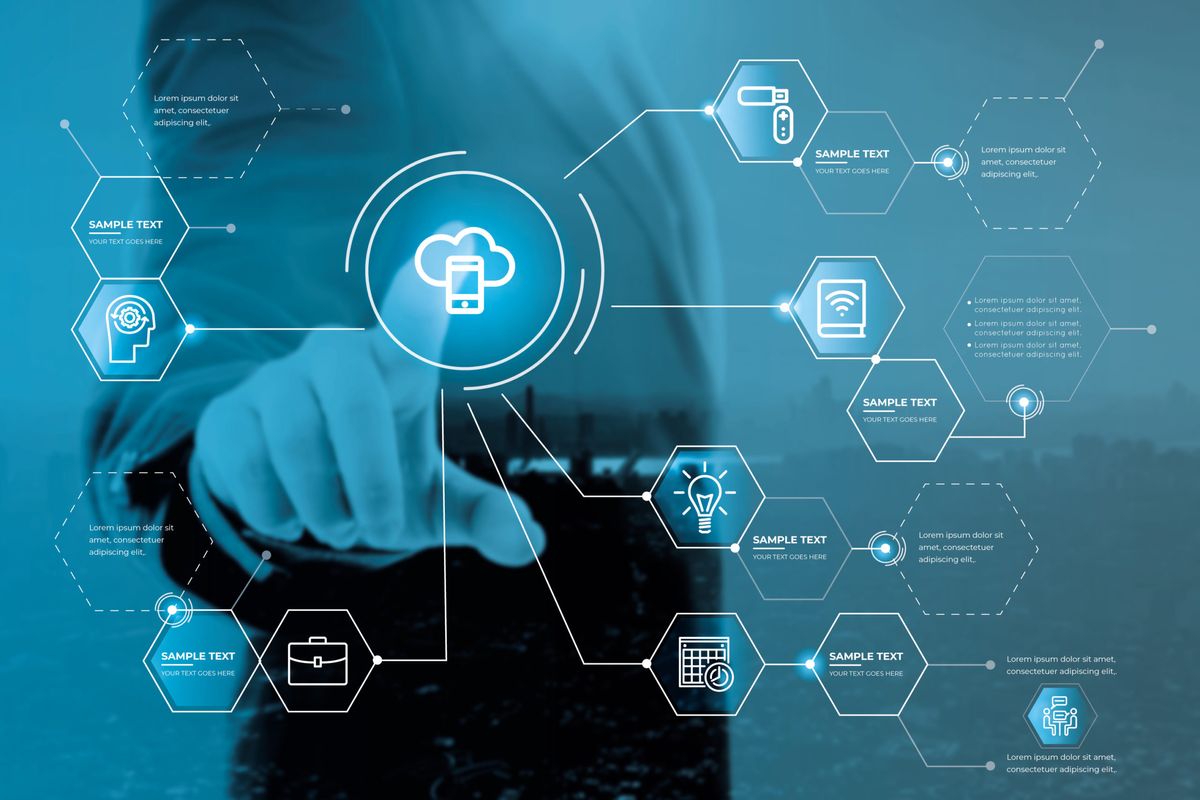
In recent years, the intersection of User Experience (UX) design and Artificial Intelligence (AI) has yielded transformative innovations that have reshaped the digital landscape. Embracing AI in web design not only enhances user experience through predictive personalization but also revolutionizes the creative process. This article delves into the AI revolution in UI/UX design, exploring its impact on the industry and the potential for the future. Let's explore how AI predicts user preferences to transform web design and enhance user experiences.
Key Takeaways
- AI-driven personalization is becoming integral to UX design, offering tailored experiences that adapt in real-time to user preferences and behaviors.
- Innovative AI design tools are revolutionizing web design by becoming creative collaborators, contributing to user engagement and emotional design.
- AI is enhancing UI development by creating intuitive, context-aware interfaces and automating content creation, thus improving accessibility and inclusivity.
- Businesses and web developers must adapt to AI-enhanced practices to leverage growth and user satisfaction while considering ethical implications.
- Future trends predict a deeper integration of AI in web development, leading to more intuitive and personalized user experiences.
The Synergy of AI and UX Design: Predictive Personalization
The Role of AI in Crafting Personalized User Experiences
In the realm of web design, Personalized Web Experiences AI is not just a buzzword; it's a transformative force. AI-driven analytics revolutionize customer engagement, enhancing personalization, speed, and consistency. Businesses leveraging AI see significant growth and loyalty through hyper-curated recommendations and predictive analytics.
AI algorithms are the maestros behind the curtain, orchestrating a symphony of personalized content delivery. They analyze user data in real time, adjusting the website's interface and recommendations to align with individual behaviors and preferences. This level of personalization is not just about selling products; it's about creating a journey that feels uniquely tailored to each user.
The future of web design hinges on the ability to deliver contextually-aware experiences that resonate on a personal level. AI's predictive capabilities ensure that every interaction is an opportunity to deepen the user's connection with the brand.
The best way to harness AI in UI designs includes personalizing experiences by adapting content and UI elements, automating content generation, and streamlining prototype development. These strategies not only boost engagement but also pave the way for more intuitive and satisfying user experiences.
As we look to the future, the synergy between AI and user experience design promises a landscape where technology anticipates needs and delivers joy. It's an exciting time for businesses, web developers, and users alike. The call to action is clear: embrace AI to craft web experiences that are not just functional, but also deeply engaging and personal.
Real-time Adaptation: AI's Impact on Dynamic Content Delivery
The advent of AI in web design has ushered in an era where user experiences can be tailored in real-time, adapting to the individual's behavior, preferences, and context. This dynamic content delivery is not just about altering the aesthetics; it's about creating a seamless and intuitive interaction that resonates with the user on a personal level.
- AI-driven personalization engines analyze user data to deliver content that is relevant and engaging.
- Adaptive interfaces evolve with user interactions, ensuring that the most pertinent information is always at the forefront.
- Real-time recommendations and predictive search functionalities are transforming how users find and interact with content.
By leveraging AI for competitive advantage, businesses can unlock predictive analytics potential for data-informed decisions, personalized services, and enhanced customer engagement.
The integration of AI into web development is not just a trend; it's a strategic imperative for those looking to stay ahead in the digital landscape. As AI continues to evolve, the possibilities for innovation and creativity in web design are boundless, promising a future where every user journey is as unique as the individual embarking on it. Embrace the transformative power of AI and ensure your online presence is not just seen but felt.
Predictive Analytics: Enhancing Decision-Making in Design
In the realm of web design, predictive analytics stands as a beacon of innovation, guiding designers through the fog of uncertainty. AI-driven analytics are pivotal in processing vast amounts of data, identifying emerging trends, and predicting user behavior with remarkable accuracy. This foresight not only informs strategic decision-making but also empowers designers to preemptively tailor user experiences that resonate on a personal level.
The benefits of integrating predictive analytics into web design are manifold:
- Anticipating user needs to deliver a seamless experience
- Optimizing website performance for maximum engagement
- Making informed, data-driven decisions to elevate user satisfaction
By harnessing the power of predictive analytics, designers can create a dynamic, adaptive web environment that not only meets but anticipates the needs of users.
As we continue to navigate the digital landscape, the strategic application of AI in design processes is no longer a luxury—it's a necessity. Embrace the transformative potential of predictive analytics to stay ahead in the ever-evolving world of web design. Let's not just design for today, but for the users of tomorrow. Engage with AI, and together, we will craft experiences that are not only functional but truly unforgettable.
Revolutionizing Web Design: AI as a Creative Collaborator

The Evolution of AI-Driven Design Tools
The landscape of web design is undergoing a transformative shift with the advent of AI Web Design Tools. These intelligent platforms are not just simplifying the design process; they are redefining it. Automated Web Design AI systems are now capable of executing complex tasks that once required extensive human effort, from layout creation to intricate graphic design. This marks a significant leap in Web Design Innovation AI, where the tools learn and adapt to user preferences, leading to more personalized and engaging websites.
Intelligent Web Design Technologies are not only about automation but also about efficiency. They streamline workflows, allowing designers to focus on the creative aspects of web design while the AI handles the more mundane tasks. Here's how AI for Web Design Efficiency is making an impact:
- Automated generation of design elements, such as color schemes and typography.
- Real-time design suggestions to enhance creativity.
- Scalability of design processes, ensuring consistency across various platforms.
The seamless integration of AI into web design heralds a creative new era where technology serves as a collaborator in the creative process.
As we embrace these innovations, it's crucial for businesses and web developers to stay ahead of the curve. The integration of AI-driven tools into web design practices is not just a trend; it's a strategic move towards greater efficiency and competitive advantage. To experience the full potential of these advancements, consider incorporating AI into your next web project and witness the transformation firsthand.
AI's Contribution to User Engagement and Emotional Design
The integration of AI in Web Design has become a cornerstone in the evolution of user engagement and emotional design. AI's ability to analyze vast amounts of data and predict user preferences has led to the creation of AI-Driven Web Aesthetics, which resonate deeply with users on an emotional level. By understanding the nuances of user behavior, AI in Creative Web Solutions tailors experiences that are not only visually stunning but also emotionally compelling.
The symphonic interplay of AI in UI/UX design has ushered in an era of unparalleled possibilities and transformative design thinking.
Here are some of the ways AI is enhancing emotional design:
- Data-driven insights: AI algorithms analyze user data to generate insights that inform emotionally resonant design decisions.
- Contextual relevance: Providing personalized suggestions and content that feel intimately crafted for each user.
- Streamlined usability: Simplifying complex tasks to create a more intuitive and satisfying user experience.
The sublime fusion of AI with human creativity is not just a trend; it's a strategic imperative for businesses seeking to captivate and retain users. As we continue to explore the AI revolution in UI/UX design innovation, it's clear that the potential for the future is boundless. Embrace the transformative power of AI and prepare to be part of the next wave of design excellence. Engage with us further to unlock the full potential of AI in your web design endeavors.
The Future of Collaborative Design Processes
As we stand on the brink of a new era in web design, the integration of AI tools is not just an enhancement but a revolution in the way we approach collaborative design processes. AI revolutionizes software development with enhanced speed, accuracy, and adaptability in requirements analysis, design, prototyping, code generation, and optimization. The synergy between human creativity and AI's computational power is fostering an environment where the iterative design process is more efficient and effective.
The future of design collaboration is one where AI serves as an indispensable partner, offering insights and automating tasks to allow designers to focus on the essence of creativity.
The benefits of AI-infused UX designs are numerous, including the automation of repetitive tasks, which allows designers to dedicate more time to the creative aspects of design. This partnership promises to enhance accessibility, ensuring that web experiences are inclusive for all users. As AI tools become more intuitive and adept at understanding design principles, the collaborative process will evolve to be more seamless and innovative.
- Design Automation: AI automates design tasks, freeing up designers to focus on creative work.
- Accessibility Enhancement: AI improves website accessibility for people with disabilities through advanced features.
- Efficiency and Quality: Integration of AI tools improves efficiency and quality throughout the development lifecycle.
Embrace the transformative potential of AI in your design process. The future is not just about adapting to change; it's about leading it. Join the revolution and harness the power of AI to create designs that resonate deeply with users and stand out in the digital landscape.
AI-Driven Innovation in User Interface Development

Integrating AI for Intuitive and Context-Aware Interfaces
The integration of AI in UX/UI design is not just a fleeting trend but a profound evolution in how we interact with technology. AI-Enhanced User Experience is the cornerstone of this transformation, offering a level of personalization and context-awareness previously unattainable. AI and UX/UI Design together are redefining the boundaries of user interface development, making every interaction more intuitive and responsive to individual user needs.
The symphonic interplay of AI and UX/UI Design has ushered in an era of unparalleled possibilities and transformative design thinking.
Consider the following benefits that AI brings to the table:
- Personalized suggestions that cater to individual preferences
- Contextually relevant content that enhances usability
- Streamlined complex tasks through machine learning algorithms
- Natural language processing for improved communication
As we embrace the AI revolution, it's crucial for designers and developers to adapt and harness the power of AI to create interfaces that are not only functional but also deeply engaging. The future beckons with the promise of AI-driven interfaces that anticipate user needs and offer seamless, tailor-made experiences. Let's not just witness this future; let's shape it together. Embrace the transformative potential of AI in your design processes and join the vanguard of innovation.
Automated Content Creation and Prototype Development
The advent of AI-Powered Design Features has ushered in a new era of efficiency and innovation in web design. AI-driven automation and emerging technologies are transforming software development, business growth, and SaaS innovation with the strategic implementation of Artificial Intelligence (AI) across various stages. These tools are not just about efficiency; they embody the creative spirit of the digital age, enabling designers to transcend traditional boundaries.
The seamless integration of AI in the design process has revolutionized the way prototypes are developed. Automated content creation tools now have the capability to generate not only visually appealing designs but also functional prototypes that can be iteratively improved with minimal human intervention.
The benefits of AI-assisted web design tools extend beyond mere convenience. They represent a paradigm shift in how we approach web development:
- Design processes automation: AI liberates designers from mundane tasks, allowing them to dedicate more time to creative exploration.
- Accessibility Enhancement: AI contributes significantly to making web experiences more inclusive, adapting interfaces for a wider audience.
As we look to the future, the role of AI in web development is poised to expand even further. The potential for AI to handle all aspects of web creation, optimization, and management is on the horizon. Imagine a world where voice commands direct AI to execute the full spectrum of web development tasks. This is not just a possibility; it is the direction in which we are rapidly moving. Embrace this transformative journey by integrating AI into your design processes today.
The Impact of AI on Accessibility and Inclusivity in Design
The integration of AI for Responsive Design is not just a technological advancement; it's a commitment to inclusivity and accessibility. AI's ability to analyze vast amounts of data and adapt interfaces in real-time means that web design can now cater to a broader audience, including those with disabilities. By automating the adaptation of web elements, AI ensures that content is accessible to all users, regardless of their physical or cognitive abilities.
The promise of AI in web design is to break down barriers and create a digital space that is welcoming and usable for everyone.
This transformative approach is not without its challenges. Designers must navigate the complexities of AI systems, ensuring they are free from biases and ethical concerns. Yet, the potential for AI to democratize the web is immense. Consider the following points:
- AI can automatically adjust font sizes and color contrasts to meet individual user needs.
- It can provide alternative text for images, aiding those with visual impairments.
- AI-driven voice recognition and navigation can empower users with motor disabilities.
The strategic implementation of AI in web design not only enhances the user experience but also opens up new markets for businesses. By embracing AI, companies can demonstrate their commitment to diversity and inclusion, fostering a positive brand image.
As we look to the future, the role of AI in web design will only grow more significant. It's imperative for designers and developers to stay abreast of the latest advancements and to consider the ethical implications of their work. The journey towards an AI-enhanced web is one of continuous learning and adaptation, but the rewards—both human and economic—are well worth the effort.
Strategic Implications for Businesses and Web Developers
Adapting to AI-Enhanced Web Development Practices
As the digital landscape evolves, the integration of AI in web development is not just an innovation; it's a necessity. AI Web Layout Optimization and AI Web Design Best Practices are becoming the cornerstones of a transformative user experience. The journey towards AI integration in business is a continuous one, involving strategic planning, predictive analytics, and fostering AI literacy among teams.
To stay ahead, web developers must embrace AI as a tool for efficiency and productivity. Training and education are pivotal, with opportunities ranging from specialized training programs to online courses that focus on machine learning concepts and AI-driven development frameworks.
The anticipation of advancements in AI for web development promises a future where chatbots, voice interfaces, and data processing capabilities are not just sophisticated but integral to creating adaptive websites.
Adapting to these changes requires a proactive approach. It's about understanding the impact of AI today to remain competitive tomorrow. As we approach 2024, the importance of grasping these advancements cannot be overstated. Let's prepare to harness the full potential of AI, ensuring our web development practices are not just current but ahead of the curve.
Leveraging AI for Business Growth and User Satisfaction
In the digital age, businesses are constantly seeking innovative ways to stand out and resonate with their audience. AI is pushing the limits of creativity, efficiency, and personalization, fostering a remarkable synergy between human ingenuity and technological prowess. By integrating AI into web design, companies can craft experiences that not only anticipate user needs but also deliver enjoyment and ease of use.
AI's predictive capabilities enable businesses to offer a more tailored online presence, enhancing both the user experience and the company's operational efficiency.
To truly harness the power of AI for business growth, a strategic approach is essential. Here are some steps to consider:
- Identify the specific needs and use cases for AI within your organization.
- Choose AI solutions with a proven track record for your industry.
- Develop a clear strategy for AI implementation and optimization.
- Ensure flexibility and scalability to adapt to future demands.
- Blend AI automation with personalized content and human customer support.
By thoughtfully leveraging AI, businesses can drive tangible benefits across various functions such as sales, marketing, operations, and customer service. The key lies in selecting AI solutions that are well-suited to your unique requirements.
Navigating the Ethical Considerations of AI in Design
As AI continues to permeate the web design landscape, ethical considerations become paramount. Designers must prioritize the responsible use of AI and safeguard user privacy. This involves a commitment to transparency in algorithmic decision-making and robust data privacy measures. Addressing these ethical concerns is not just about compliance; it's about fostering trust and integrity in the digital space.
- Ethical concerns include biased algorithms, data privacy, and the ethical use of AI-generated content.
- Strategies for addressing these concerns involve transparency, data security, and ongoing ethical assessments.
The balance between AI assistance and human creativity is crucial in maintaining unique and impactful designs.
For web developers, this evolving landscape necessitates a continuous investment in learning and skill development. As AI reshapes the required skill set, developers must stay abreast of the latest advancements while being vigilant of potential biases and limitations inherent in AI systems. The future of web design hinges on our ability to navigate these ethical waters with care and foresight.
Our Enterprise Consultation package offers a comprehensive project plan and price estimation, ensuring that your venture into AI-enhanced design is both ethically sound and strategically positioned for success. Positive reviews underscore the exceptional value and impact delivered, particularly highlighting Stas Sorokin's expertise in AI lectures and projects. Embrace the future responsibly—contact us to learn how.
Envisioning the Future: Trends and Predictions in AI-Enhanced Design

Expert Insights on the Evolution of AI in Web Development
As we stand on the brink of 2024, the fusion of artificial intelligence with web development is not just a possibility—it's a burgeoning reality. AI's role in web development is evolving from a supportive tool to a core driver of innovation, shaping the way we interact with the digital world. The anticipation of AI's trajectory in web development has experts predicting a transformative impact on the industry.
- Natural Language Processing (NLP): Enhancing the understanding of user intent and enabling more conversational interfaces.
- Computer Vision: Allowing websites to interpret visual content and react accordingly, creating more immersive experiences.
- Deep Learning: Powering adaptive algorithms that can predict user behavior and personalize content in unprecedented ways.
The integration of AI into web development is poised to redefine user experiences, making them more intuitive, engaging, and satisfying.
Understanding the implications of these advancements is not just beneficial; it's imperative for those who wish to remain at the forefront of the digital landscape. As AI continues to permeate web development, businesses and developers must adapt to harness its full potential for growth, innovation, and user satisfaction. Embrace the future by staying informed and prepared for the next wave of AI-driven design innovation. Let's not just witness the evolution of AI in web development—let's be an active part of it.
Anticipated Developments in AI and User Experience
As we stand on the brink of a new era in web development, the anticipated developments in AI and User Experience promise to redefine the digital realm. AI is not merely a tool; it is becoming an integral part of the UX design process, offering insights that are both deep and actionable. The future beckons with AI-driven enhancements that will make experiences more intuitive, personalized, and engaging.
The integration of AI in UX design is a journey towards more empathetic and adaptive digital experiences.
In the coming years, we can expect to see:
- Sophisticated chatbots that converse with human-like nuance.
- Voice-enabled interfaces that understand and predict user needs.
- Enhanced data processing capabilities that tailor content in real-time.
These advancements will not only streamline development workflows but also revolutionize the way we perceive and interact with technology. AI is transforming business strategies by predicting consumer behavior, enabling strategic decision-making, optimizing operations, and identifying market trends for competitive advantage. Embracing these changes is essential for businesses aiming to stay at the forefront of innovation.
As we envision the future, it is crucial to prepare for the integration of AI into every facet of UX design. The potential for AI to enhance user satisfaction and drive business growth is immense. Let us step forward with anticipation and readiness to harness the full spectrum of AI's capabilities in creating the next generation of user experiences.
Preparing for the Next Wave of AI-Driven Design Innovation
As we stand on the brink of the next AI revolution in design, it's crucial to recognize the transformative potential AI holds for UI/UX innovation. The integration of AI into web development is not just a trend; it's the future, shaping the digital landscape with unprecedented creativity, efficiency, and personalization. The synergy between human ingenuity and AI's analytical prowess encourages designers to transcend traditional boundaries, creating experiences that resonate deeply with users.
The future beckons with a promise of AI-enriched designs that anticipate user needs and deliver delightful experiences.
To harness the full potential of AI in design, we must prepare to embrace new tools, methodologies, and mindsets. Here are key steps to consider:
- Stay informed about the latest AI technologies and their applications in design.
- Invest in skills development for your team to leverage AI tools effectively.
- Foster a culture of innovation that encourages experimentation with AI-driven design solutions.
As we envision the next wave of AI-driven design innovation, it's imperative for businesses and developers to adapt and grow. Leveraging AI not only enhances user satisfaction but also drives business growth. However, navigating the ethical considerations of AI in design remains a critical challenge. By addressing these concerns proactively, we can ensure that the future of web development remains inclusive, accessible, and human-centric.
We invite you to join us in exploring the boundless possibilities of AI in design. Engage with the latest developments, participate in the conversation, and contribute to shaping a future where technology and creativity converge to create extraordinary user experiences. The journey ahead is as exciting as it is essential; let's embark on it together.
Conclusion
In conclusion, the integration of Artificial Intelligence into web design and user experience heralds a transformative era for the digital world. As AI continues to evolve, it becomes a pivotal force in predicting user preferences, enabling the creation of dynamic, responsive designs that are not only aesthetically pleasing but also highly functional and personalized. The implications of this technological synergy extend beyond enhanced user engagement; they signify a paradigm shift in how web developers and businesses approach design and interaction. The future of web design, illuminated by the predictive capabilities of AI, promises a landscape where user experiences are not just designed but intuitively crafted to meet individual needs. As we embrace this future, it is imperative for industry professionals to stay abreast of AI advancements and harness their potential to redefine the standards of user experience and engagement.
Frequently Asked Questions
How does AI predict user preferences in web design?
AI predicts user preferences by analyzing user data, like browsing history and interaction patterns, to deliver personalized content, recommend products, and optimize website interfaces in real time.
What is the role of AI in dynamic content delivery?
AI plays a crucial role in dynamic content delivery by using real-time data analysis to adapt and personalize the content displayed to each user, enhancing engagement and user experience.
How are AI-driven design tools revolutionizing web design?
AI-driven design tools are revolutionizing web design by learning from vast data sets to offer better, more personalized design solutions, thus empowering designers to create more intuitive and user-friendly experiences.
In what ways does AI contribute to accessibility and inclusivity in design?
AI contributes to accessibility and inclusivity by automating the creation of design elements that are adaptive to diverse user needs, ensuring that web experiences are usable and enjoyable for people with different abilities.
What are the strategic implications of AI for businesses and web developers?
Businesses and web developers must adapt to AI-enhanced practices, which can lead to improved efficiency and innovative opportunities. AI-powered solutions can also drive business growth and user satisfaction.
What future trends are anticipated in AI-enhanced web design and UX?
Future trends include more intuitive and context-aware web experiences, increased automation in design processes, and a stronger focus on emotional design. AI is expected to become a more integral part of the creative process.
Comments
Post a Comment