Embracing the Future: How AI Predicts User Preferences to Revolutionize Web Design and User Engagement
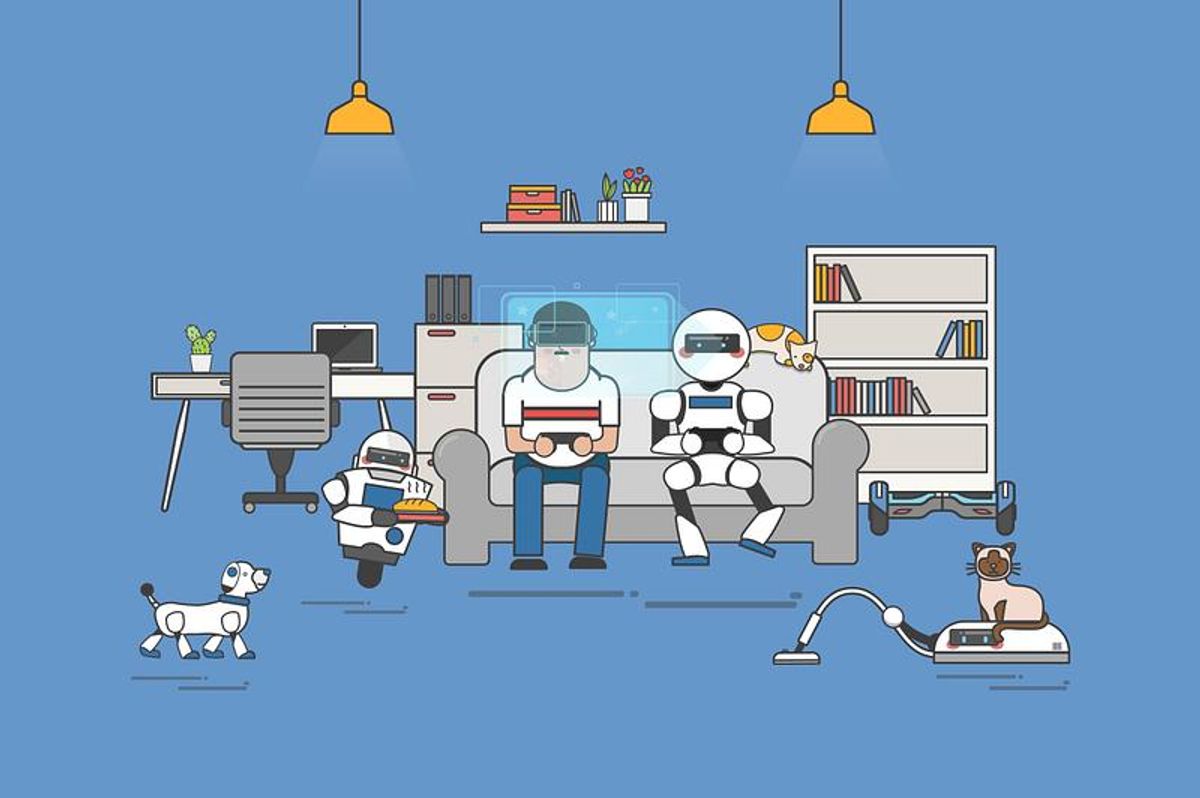
The digital landscape is constantly evolving, and at the forefront of this transformation is the integration of Artificial Intelligence (AI) into web design. AI's ability to predict user preferences and adapt web experiences in real-time is revolutionizing the way websites are created and interacted with. This article delves into how AI is shaping the future of web design and user engagement, offering personalized, dynamic experiences that cater to the individual needs of users.
Key Takeaways
- AI is merging with web design to create tailored experiences, employing predictive analytics to anticipate user preferences and behavior.
- Advancements in AI algorithms are enabling real-time customization of web interactions, leading to more personalized user experiences.
- AI's influence on web development is streamlining the design process, making it more responsive and efficient, especially for mobile users.
- Predictive analytics and machine learning are key drivers in enhancing user engagement and optimizing content for individual users.
- Emerging AI technologies are set to further transform web design, with a focus on collaboration, creativity, and next-generation user experiences.
The Convergence of AI and Web Design

Tailoring User Experiences with Predictive AI
In the realm of web design, predictive AI stands as a transformative force, meticulously analyzing user behavior to deliver personalized experiences that resonate on an individual level. By harnessing the power of machine learning, websites can now dynamically adapt content, recommendations, and design elements to align with each visitor's unique preferences and behaviors.
- Strategy: Utilize AI tools like Optimizely or Adobe Target for real-time analytics and personalization.
- Example: A cosmetic brand leverages AI to customize user journeys, resulting in increased engagement and sales.
The future of web design is undeniably intertwined with AI's capacity to optimize user experiences. As algorithms evolve, they will offer even more precise personalization, ensuring that every interaction feels tailor-made.
Unlock business potential with AI-powered analytics for personalized recommendations, operational excellence, and sustainable competitive advantage. This is not just a trend; it is the new standard for engaging users and maintaining a competitive edge in the digital landscape.
Dynamic Design: AI's Role in Responsive Web Development
In the realm of web development, AI for Responsive Design is not just a trend; it's a transformative force. AI-driven automation and emerging technologies are transforming software development, enabling a dynamic approach to creating web layouts that adapt seamlessly across devices. AI Web Layout Optimization goes beyond mere aesthetics; it's about crafting an intuitive user experience that feels tailor-made for every visitor.
The advantages of using AI in responsive web design are manifold. Designers are now equipped with tools that can predict user behavior, allowing for the creation of websites that are not only visually appealing but also highly functional and user-centric. This predictive capability means that a website can evolve in real-time, adjusting to user interactions and preferences.
By leveraging AI, the web design process becomes a symphony of efficiency and personalization, where every element is in harmony with the user's needs.
To truly understand the impact of AI on web development, consider the following points:
- AI algorithms can analyze vast amounts of user data to inform design decisions.
- Real-time adjustments to layout and content can be made based on user engagement.
- AI can optimize images and other media for faster load times and better performance.
As we look to the future, the integration of AI in web design promises a landscape where websites are not just responsive, but anticipatory, catering to user needs even before they are fully articulated. Embrace the revolution—stay informed and integrate AI into your web development practices to ensure scalable growth and seamless expansion in your business.
The Symbiosis of AI and Creative Design Principles
The fusion of AI and UX/UI Design is not just a trend; it's a paradigm shift in how we approach web design. AI's capacity to analyze vast amounts of data and predict user preferences is revolutionizing the creative process, allowing for a more personalized and engaging user experience. Designers are now equipped with tools that can interpret user behavior, leading to designs that resonate on a deeper level with the audience.
The integration of AI in website design is transforming the digital landscape, offering unparalleled opportunities to create dynamic, engaging, and user-centric online platforms.
By embracing AI, designers can focus on the creative aspects of design while AI handles the optimization of user experiences. This partnership between human creativity and machine precision is setting a new standard for web design excellence. To truly harness the power of this symbiosis, consider the following:
- Understanding the capabilities and limitations of AI in design
- Leveraging AI for enhanced user engagement and satisfaction
- Continuously learning and adapting to new AI advancements
Embrace the future of web design by integrating AI into your creative process. For more in-depth insights, check out our detailed guide on Best Tips & Tools to Harness the Power of AI Website Design.
AI-Driven Personalization in Web User Experience
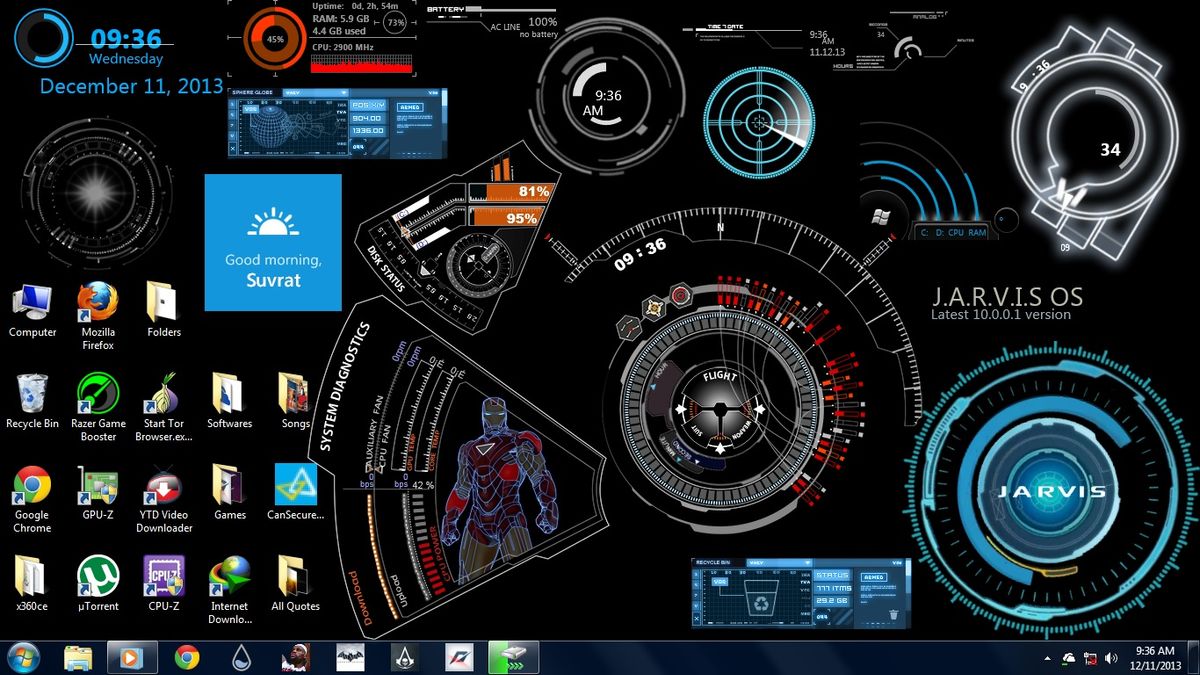
Advancements in AI Algorithms for Customized Interactions
The digital landscape is evolving, and with it, the capabilities of AI to offer an AI-Enhanced User Experience. As we delve into the intricacies of AI algorithms, we uncover their profound impact on web design and user engagement. These algorithms are the architects of Personalized Web Experiences AI, meticulously crafting each interaction to align with user preferences and behaviors.
The sophistication of AI in web design is not just about aesthetics; it's about creating a seamless, intuitive interface that resonates with users on a personal level.
By leveraging AI for personalization and customization, web platforms can now deliver content that is not only relevant but also timely. This is achieved through a combination of predictive analytics, machine learning, and deep learning techniques that analyze user data to provide tailored experiences. The result is a dynamic web environment where every click and scroll is met with content that feels handpicked for the user.
- Enhancing engagement and interaction through AI-powered features
- Predictions for the evolution of AI in user experience optimization
- Leveraging AI for personalization and customization
Unlock the potential of AI-driven analytics for data-driven growth. Personalize services, enhance customer engagement, and make strategic decisions with AI insights for competitive advantage. This is not just the future; it is the present, and it is time for web designers and developers to embrace these advancements to stay ahead in the game.
Real-Time Insights: AI in User Behavior Analysis
In the digital age, AI-driven analytics revolutionize customer engagement, building brand loyalty through data-driven customization. The power of AI lies in its ability to digest vast amounts of data and provide actionable insights that cater to each user's preferences. By analyzing user behavior, AI can optimize website content in real time, ensuring that each visitor's experience is not just personalized, but also deeply engaging.
The seamless integration of AI tools like Optimizely or Adobe Target into web platforms allows for dynamic alterations of content, tailoring each interaction to the user's current context and historical preferences.
Predictive analytics are not just a futuristic concept; they are here, enhancing our understanding of customer behavior and engagement. As machine learning algorithms become more sophisticated, they pave the way for a new era of web personalization:
- Optimization of content to match individual interests
- Real-time suggestions and upgrades
- Personalized landing page experiences
Embrace the future by implementing AI strategies that transform user data into a competitive advantage. Engage with your audience on a deeper level and watch as your brand loyalty soars.
Personalized Content Generation through AI
In the realm of web design, the power of AI to generate personalized content is not just a futuristic dream—it's a present-day reality. AI's ability to analyze vast amounts of user data has given rise to systems that can tailor content to individual preferences with unprecedented precision. This personalization extends beyond mere suggestions; it encompasses the entire user experience, from the layout to the media presented.
- AI examines user behavior to offer personalized experiences.
- Machine learning optimizes content in real time to match individual interests.
- Predictive analytics enhance content relevance and user engagement.
Consider the transformative journey of a cosmetic brand that leveraged AI to curate personalized product recommendations. By analyzing past purchases and browsing behavior, the AI system provided suggestions aligned with the customer's unique preferences, leading to a simplified shopping experience and increased purchase likelihood.
Embracing AI in content generation is not just about staying ahead of the curve; it's about creating a user-centric web that resonates on a personal level. It's about crafting experiences that users don't just like but love, leading to deeper engagement and loyalty.
As we continue to witness the evolution of AI in web design, it is imperative for creators and businesses to adopt these technologies. The integration of AI in content generation is a journey towards a more intuitive and responsive web—a journey that promises to redefine user engagement. Let's embark on this journey together, and harness the full potential of AI to deliver content that captivates and converts. Are you ready to revolutionize your web presence with AI?
The Impact of AI on Web Development Practices
Revolutionizing the Web Design Industry with AI
The advent of AI in web design is not just an incremental change; it's a complete overhaul of the creative process. AI empowers businesses with tools that were once the domain of science fiction. Real-time data analysis, predictive modeling, and personalized services are no longer just buzzwords—they are tangible assets driving growth, efficiency, and customer satisfaction.
AI's role in web design extends beyond mere automation. It's about understanding user behavior patterns and crafting experiences that resonate on a personal level. Designers now have at their disposal AI algorithms that can analyze vast amounts of data to create highly personalized and engaging websites. This is not just a shift in how we design—it's a shift in how we connect.
The integration of AI-powered design tools is reshaping the web design landscape, offering innovative solutions to create captivating digital experiences.
As we look to the future, the potential for AI in web design is boundless. Staying informed and embracing these technologies is crucial for anyone looking to shape the future of digital interactions. Here are a few ways AI is making its mark in the web development industry:
- Smart Automation: Streamlining workflows and reducing the need for repetitive tasks.
- Data-Driven Insights: Providing designers with the information needed to tailor user experiences.
- Personalized Experiences: Using predictive AI to anticipate user needs and preferences.
Embrace the transformative power of AI in web design. For a comprehensive guide on the best AI website builders and designs, check out The Ultimate Guide to the Best AI Website Builders and Designs. Stay ahead of the curve and unlock the full potential of your online platforms.
AI's Influence on Mobile-Responsive Design Strategies
In the realm of mobile-responsive design, AI is not just a tool; it's a game-changer. AI's predictive capabilities are transforming the way web designers approach mobile responsiveness, ensuring that user experiences are seamless across all devices. By analyzing vast amounts of user data, AI algorithms can anticipate the needs of mobile users and adapt web designs in real-time to meet those needs.
- AI-driven analytics provide insights into user behavior on different devices.
- Machine learning enables automatic adjustments to layout and content for optimal mobile viewing.
- AI can predict and resolve compatibility issues before they affect the user experience.
The integration of AI into mobile-responsive design strategies is not just about aesthetics or functionality; it's about creating a dynamic, user-centric web environment that evolves with the user.
Moreover, AI's role in mobile-responsive design extends to performance optimization, enhancing load times, and ensuring that interactive elements function flawlessly. As we embrace this AI-infused future, web developers and designers must stay informed and agile, ready to adopt new AI technologies that will continue to redefine the boundaries of what's possible in web design. Don't miss out on the revolution—immerse yourself in the AI-driven world of web design and witness the transformation of user engagement firsthand.
Overcoming Challenges in Integrating AI with Web Design
The journey to harmonize AI with web design is not without its obstacles. Ethical considerations and integration methodologies are key for efficiency in this transformative era where AI revolutionizes software development. To navigate these waters, one must be vigilant about data privacy and security, ensuring that AI's integration does not compromise user trust.
Best practices in AI integration demand a comprehensive understanding of user behavior and technical capabilities. It's about striking a balance between automated design and the human touch that defines a brand. Here are some steps to consider for a smooth transition:
- Prioritize user privacy and data security in every phase of AI integration.
- Optimize AI algorithms for performance while maintaining a user-friendly interface.
- Address the challenges in training AI for web-specific tasks through continuous learning and adaptation.
The effective integration of AI into web design not only enhances user experience but also sets the stage for future innovations in the digital landscape.
As we embrace these challenges, we must also prepare for the next wave of AI advancements. Stay informed, stay ahead, and let AI be your ally in creating more personalized, dynamic web experiences. Engage with us further to explore the limitless possibilities AI brings to web design.
Predictive Analytics and the Future of Web Engagement

Anticipating User Needs with Machine Learning
In the realm of web engagement, the power of machine learning stands as a beacon of innovation, guiding the way towards a future where user needs are not just met, but anticipated. By analyzing patterns in user behavior, AI-driven analytics are not just revolutionizing the customer experience; they are reshaping sales strategies and fostering business growth. Personalization and predictive analytics become the keystones of a thriving, data-driven era.
The essence of machine learning in web design lies in its ability to adapt in real-time, offering a dynamic and personalized user journey. As algorithms evolve, they pave the way for content that resonates deeply with each visitor, transforming passive browsing into an engaging dialogue with technology.
To harness the full potential of AI in anticipating user needs, consider the following steps:
- Implement machine learning algorithms to study user behavior and create personalized experiences.
- Utilize predictive analytics tools like IBM Watson or Google Analytics Predictive Metrics to analyze and predict customer actions.
- Continuously refine your content strategy based on AI-generated insights to ensure relevance and engagement.
By embracing these strategies, web developers and designers can create a symbiotic relationship with AI, where each interaction is a step towards a more intuitive and engaging user experience. Remember, the goal is not just to adapt to change, but to lead it. Engage with us, and together, let's shape the future of web design.
Enhancing User Engagement through AI-Optimized Content
In the realm of web engagement, AI-optimized content stands as a pivotal element in captivating user interest and fostering loyalty. AI's capacity to analyze and predict user preferences has given rise to a new era of personalized content, which not only resonates with the audience but also encourages deeper interaction with the platform.
By meticulously analyzing user data, AI can tailor content to individual preferences, ensuring that each interaction is as relevant and engaging as possible. This bespoke approach to content creation is not just about appealing to users; it's about creating a unique and memorable experience that keeps them coming back for more.
To illustrate the transformative power of AI in content optimization, consider the following applications:
- Content Curation: AI systems like Adobe Experience Manager curate and recommend content, increasing engagement and conversion rates.
- Real-Time Editing: AI tools assist in video and voice editing, allowing creators to focus on content rather than technology.
- Behavioral Insights: Analysis of user behavior informs data-driven decisions for content optimization.
- Search Optimization: AI enhances search functionality, guiding users to the content they seek more efficiently.
Embrace AI's potential to revolutionize your content strategy. By integrating AI into your web design and development processes, you can ensure that your content is not only engaging but also highly targeted to your audience's evolving needs. The future of user engagement is here, and it is powered by AI. Are you ready to harness its full potential?
The Role of AI in Evolving Digital Interaction Paradigms
The digital realm is in a constant state of evolution, and AI is at the forefront of this transformation, shaping the way users interact with online platforms. AI's ability to analyze vast amounts of data and predict user behavior is revolutionizing the user experience, making it more intuitive and engaging than ever before.
The integration of AI in website design is transforming the digital landscape, offering unparalleled opportunities to create dynamic, engaging, and user-centric online platforms.
By leveraging AI, websites can now offer personalized recommendations, adaptive interfaces, and interactive features that respond to the unique needs of each user. This not only enhances the user experience but also fosters a deeper connection between the user and the digital environment.
To fully embrace the potential of AI in web design, consider the following steps:
- Understand the capabilities and limitations of current AI technologies.
- Invest in AI tools that can provide actionable insights into user behavior.
- Collaborate with AI experts, like Stas Sorokin, who offer AI-powered web app development to integrate custom solutions tailored to your specific needs.
As we continue to explore the vast possibilities of AI in web design, it is crucial to stay informed and prepared for the next wave of innovations. By doing so, we can ensure that our digital platforms remain at the cutting edge of user engagement and interaction.
Emerging AI Technologies in Web Design
Upcoming Innovations in AI for Enhanced Web Functionality
As we stand on the brink of a new digital era, Web Design Innovation AI is set to redefine the creative landscape. The fusion of AI with web design is not just about efficiency; it's about crafting experiences that resonate on a personal level, making every interaction feel tailor-made.
- AI for Web Design Efficiency is not merely a trend; it's a transformative force. It streamlines workflows, automates mundane tasks, and frees designers to focus on the essence of creativity.
- AI-Driven Web Aesthetics go beyond the surface, analyzing user data to generate designs that are not only visually stunning but also deeply intuitive.
The promise of AI in web design is not just in the automation of tasks but in the elevation of the user experience to unprecedented heights.
The table below encapsulates the potential impact of AI on key web design aspects:
| Aspect | Current State | AI-Driven Future |
|---|---|---|
| Efficiency | Manual processes | Automated workflows |
| Aesthetics | Static designs | Dynamic, user-responsive layouts |
| Personalization | Basic customization | Deep learning-driven experiences |
Embrace the future by staying abreast of these innovations. Let's not just adapt to change; let's lead it. For those ready to harness the power of AI in web design, the time is now. Engage with experts like Stas Sorokin, a Fiverr Pro with 9 years of experience, to navigate this transformative journey.
AI as a Collaborative Tool in the Creative Process
In the realm of web design, AI Web Design Tools are not just tools; they are partners in the creative journey. These sophisticated systems are designed to work alongside human creativity, enhancing and streamlining the design process. AI-Powered Design Features, such as automated layout generation and color scheme optimization, are transforming the way designers approach their craft.
AI in Creative Web Solutions goes beyond mere automation. It involves a deep understanding of user preferences and behaviors, enabling the creation of more engaging and personalized web experiences. Automated Web Design AI is not about replacing the designer but empowering them to achieve more with less effort.
The synergy between AI and human creativity is paving the way for innovative web designs that resonate with users on a personal level.
By leveraging AI's capabilities, designers can focus on the more nuanced aspects of web design, such as user psychology and emotional engagement. This collaboration leads to a more efficient workflow and a higher quality end product. As we look to the future, the integration of AI with web design promises to unlock new possibilities and redefine the boundaries of what is achievable.
Remember, embracing AI in your web design strategy is not just about keeping up with the trends; it's about staying ahead of the curve. Professional API integration services starting at $175 can enhance your website's functionality and user experience. Take the first step towards a more innovative and engaging web presence today.
Preparing for the Next Wave of AI in Web Design
As we stand on the brink of a new era, the next wave of AI in Web Design is set to redefine the digital canvas. The integration of AI algorithms drive strategic decision-making, consumer behavior prediction, and market trend analysis, setting the stage for a transformation that will echo through the annals of web development. Embracing AI Web Design Best Practices is not just about keeping up; it's about leading the charge into a future where every pixel and code snippet is infused with intelligence.
Intelligent Web Design Technologies are the architects of tomorrow's online experiences. They promise a world where websites not only respond to user needs but anticipate them, crafting interactions that are as seamless as they are engaging. To prepare for this shift, consider the following:
- Stay abreast of emerging AI tools and platforms.
- Engage with communities and thought leaders in AI and web design.
- Invest in continuous learning to master new AI-driven design methodologies.
The fusion of AI with web design is not a distant dream but an unfolding reality. It demands our attention, creativity, and willingness to evolve.
As we look to the horizon, it's clear that the synergy between AI and web design will only grow stronger. It's time to harness the power of AI to create web experiences that are not just functional, but truly transformative. Are you ready to be part of this revolution? Dive into the world of AI and web design, and let's shape the future together.
Embracing the Future: The Convergence of AI and Web Design
In conclusion, the integration of artificial intelligence into web design marks a transformative era in user experience and engagement. As we have explored, AI's ability to predict and adapt to user preferences is not just a futuristic concept but a present reality that is reshaping the digital landscape. The potential for AI to revolutionize web design is vast, from enhancing personalization to optimizing content delivery. By leveraging the latest AI tools and staying abreast of emerging trends, designers and businesses can craft dynamic, responsive, and deeply engaging websites that not only meet but anticipate user needs. As AI continues to evolve, it promises to unlock new creative possibilities, making web design more intuitive, efficient, and impactful. The future of web design, underpinned by AI, is bright, and embracing this synergy will be pivotal for those looking to lead in the digital domain.
Frequently Asked Questions
What are the latest AI tools for web designers?
The latest AI tools for web designers include predictive analytics platforms, AI-powered design assistants, user behavior analysis software, and content generation tools. These technologies help designers create personalized and dynamic user experiences by analyzing user data and preferences.
How can AI enhance user experience in web design?
AI enhances user experience by providing tailored content and design elements based on user behavior and preferences. It can dynamically adjust layouts, suggest content, and improve navigation to make websites more intuitive and engaging for each individual user.
What are the predictions for AI's impact on web development in the next decade?
In the next decade, AI is predicted to further streamline web development processes, enable real-time user experience optimization, and facilitate the creation of highly personalized web content. AI will also likely play a significant role in automating design tasks and providing insights for better decision-making.
How will AI revolutionize the web design industry?
AI will revolutionize the web design industry by automating complex design tasks, delivering deeper insights into user behavior, and enabling the creation of adaptive web experiences. It will also help designers focus on creative aspects by handling repetitive tasks and data analysis.
What implications will AI-generated content have on websites?
AI-generated content will allow for more dynamic and relevant web experiences, as it can be tailored to individual user preferences and behaviors. It may also challenge traditional content creation roles, pushing for a new balance between human creativity and AI efficiency.
What role will AI play in shaping the future of mobile-responsive design?
AI will play a pivotal role in mobile-responsive design by enabling real-time layout adjustments and content optimization for different devices. It will also assist in understanding user interactions on mobile platforms, allowing for better user experiences across all device types.
Comments
Post a Comment