Embracing the Future: How AI Predicts User Preferences to Revolutionize Web Design and User Engagement

In the digital age, the fusion of artificial intelligence (AI) with web design is not just an innovation; it's a revolution in the making. AI's predictive capabilities are setting the stage for a new era of web design and user engagement, where personalized experiences are the norm, and user preferences drive design decisions. This transformative synergy promises to reshape our digital interactions, making them more intuitive, engaging, and satisfying than ever before.
Key Takeaways
- AI is reshaping web design by enabling predictive user interfaces and dynamic content that adapts to user preferences in real-time.
- Advanced AI-driven analytics are informing web development strategies, enhancing user experience with data-driven insights, and preparing for future trends.
- Ethical considerations, including privacy, data management, and ensuring fairness, are critical in the deployment of AI in web design.
- AI-powered personalization is revolutionizing e-commerce, offering customized shopping experiences and predictive product recommendations.
- The future of UX research and web design will increasingly rely on AI to predict user expectations and facilitate collaborative, data-informed design decisions.
The Synergy of AI and Web Design: Crafting Personalized User Experiences

Predictive User Interface Design
In the realm of AI and UX/UI Design, the advent of Intelligent Web Design Technologies has set the stage for a transformative era in user interface creation. AI's predictive capabilities are not mere conjecture; they are a reality that is reshaping how we approach web design. By analyzing vast datasets of user interactions, AI algorithms can now forecast user behavior with remarkable accuracy, allowing for interfaces that are not just reactive, but proactive in meeting user needs.
The synergy between AI and user interface design is a testament to the power of predictive technology in crafting experiences that feel intuitive and personalized.
Consider the following applications of AI in predictive user interface design:
- Dynamic layout adjustments that respond to user preferences in real time.
- Content tailoring based on user behavior, ensuring relevance and engagement.
- Anticipatory feature placement, positioning elements where users are most likely to need them.
These applications are just the tip of the iceberg. As we continue to integrate AI into the fabric of web design, we are not only enhancing user satisfaction but also paving the way for a future where digital experiences are seamlessly aligned with individual preferences. Embrace the future of web design by exploring the potential of AI to predict and adapt to user preferences. Let's revolutionize the digital landscape together.
Dynamic Content Customization
In the realm of web design, Personalized Web Experiences AI is not just a buzzword; it's a transformative force. By leveraging AI tools like Adobe Experience Manager, web designers can curate content that adapts to user preferences in real time. This dynamic approach to content customization ensures that every user feels uniquely catered to, with content that resonates on a personal level.
The key to captivating your audience lies in the seamless integration of AI into the user experience, creating an environment that is not only intuitive but also deeply engaging.
For instance, a cosmetic brand utilizing AI can analyze customer data to present personalized offers and recommendations, thereby enhancing the user's journey and potentially increasing conversion rates. The strategy is clear: implement AI tools that provide real-time analytics and personalization capabilities, such as Optimizely or Adobe Target, to dynamically alter content for each visitor.
The benefits of AI-driven content customization are manifold:
- Allows for personalized content based on customer data
- Streamlines processes through automation
- Provides valuable analytics and reporting for data-driven decisions
Embrace the future by integrating AI into your web design strategy. Engage with experts like Stas Sorokin, a Pro on Fiverr, who offers top-notch AI project and API integration services. Harness the power of AI to create web experiences that are not only personalized but also predictive, ensuring that your users are always at the forefront of your digital innovation.
Real-time Adaptation and A/B Testing
In the realm of AI in Web Design, the power of real-time adaptation and A/B testing cannot be overstated. By harnessing AI Web Design Tools, designers and marketers can test different design elements and user interactions to determine what resonates most effectively with their audience. This empirical approach to optimization is not just about tweaking colors or button sizes; it's about understanding the deeper preferences and behaviors of users to create a more engaging and personalized experience.
AI for Responsive Design is at the forefront of this revolution, ensuring that web solutions are not only aesthetically pleasing but also highly functional across various devices and platforms. The integration of AI in Creative Web Solutions allows for a seamless and adaptive user experience that can evolve in real-time, responding to user interactions as they happen.
AI-driven analytics revolutionize customer interactions, enhancing personalization, speed, and consistency. Businesses leveraging AI witness revenue growth, loyalty, and operational efficiency through predictive personalization. Moreover, AI for Web Design Efficiency is pivotal in streamlining the design process, enabling rapid prototyping and testing which leads to faster iteration and deployment of optimized web experiences.
To truly embrace the future of web design, consider the following steps:
- Implement AI tools that provide real-time analytics and personalization capabilities.
- Conduct A/B testing to identify the most compelling design elements.
- Utilize AI for responsive design to ensure accessibility across all devices.
- Integrate AI in your creative process for more efficient design solutions.
By adopting these strategies, you can ensure that your web design is not only current but also future-proof, ready to adapt to the ever-changing landscape of user preferences and technological advancements.
AI-Driven Analytics: Informing Web Development and User Engagement Strategies

Predictive Analytics and User Behavior
The integration of AI into web analytics has ushered in a new era of predictive capabilities, transforming raw data into actionable insights. Predictive analytics harnesses the power of AI to sift through vast amounts of historical user data, identifying patterns that forecast future behaviors and preferences. This foresight enables web designers and marketers to proactively adapt their strategies, ensuring that user experiences remain engaging and relevant.
By leveraging predictive analytics, businesses can craft a web presence that not only reacts to user needs but anticipates them, fostering a sense of understanding and personal connection with their audience.
The application of predictive analytics extends beyond mere speculation; it is grounded in quantitative analysis that informs every aspect of user engagement. Consider the following key benefits:
- Enhanced Personalization: Tailoring experiences to individual user preferences.
- Improved Conversion Rates: Optimizing web design elements to align with predicted user actions.
- Strategic Content Delivery: Presenting the right content at the right time to maximize impact.
To truly embrace the potential of predictive analytics, one must not only understand the data but also the human element it represents. It is the synthesis of numbers and nuanced human behavior that propels web design into a future where every click and interaction is both understood and anticipated. As we continue to navigate the digital landscape, let us not forget the power of predictive analytics to forge deeper connections with our users. Engage with us, and together, let's shape a web that knows you better than you know yourself.
Enhancing User Experience through Data-Driven Insights
In the realm of web design, the AI-Enhanced User Experience stands as a testament to the transformative power of data. By harnessing AI-powered analytics, designers are now equipped to delve deep into the intricacies of user interactions, crafting interfaces that not only engage but also delight. This shift towards a data-oriented approach is not just about understanding user requirements; it's about predicting them, ensuring every digital touchpoint is optimized for maximum satisfaction.
The key to unlocking a truly personalized user experience lies in the meticulous analysis of user data. AI tools are the conduits through which this data flows, translating it into actionable insights that drive design innovation.
Here's how AI is revolutionizing the user experience:
- Personalization: Tailoring content and interfaces to individual user preferences.
- Anticipation: Predicting user needs and providing intuitive responses.
- Optimization: Continuously refining the user interface for peak engagement.
Embrace the future where your web presence is not just seen but felt. Let AI lead the way in enhancing your user engagement strategies. Dive into the data, and let the insights shape a world where every user feels uniquely understood. Are you ready to transform your user experience with AI? The time is now.
Optimizing for Future Trends and Preferences
In the ever-evolving landscape of web design, AI Web Layout Optimization stands as a beacon of innovation, guiding the digital journey towards a future where user preferences are not just met, but anticipated. The integration of AI-Driven Web Aesthetics into the fabric of web development is not a distant dream but a tangible reality that is reshaping the way we interact with the digital world.
-
Strategy: Implement AI tools that provide real-time analytics and personalization capabilities, such as Optimizely or Adobe Target. This allows you to dynamically alter the content on your website or app for each visitor, creating a highly personalized browsing experience.
-
Strategy: Use predictive analytics tools, such as IBM Watson, to forecast future trends and behaviors. This information can guide your marketing strategies, allowing you to tailor campaigns that align with predicted customer movements, thus improving conversion rates.
In the realm of AI-enhanced design practices, placing user needs and preferences at the forefront is crucial. It goes beyond just integrating AI for the sake of progress in technology; instead, it involves harnessing its capabilities to elevate the user experience truly.
Embrace AI metrics for strategic growth, optimize marketing ROI with AI analytics, improve customer targeting and personalization for enduring success. The call to action is clear: leverage the power of AI to stay ahead of the curve, ensuring that your web presence is not only current but also future-proof. As we venture into this new era, the question is not if we should adapt to AI-driven strategies, but how swiftly we can integrate them to remain competitive and relevant.
Ethical Considerations in AI-Enhanced Web Design
Balancing Automation with Human Creativity
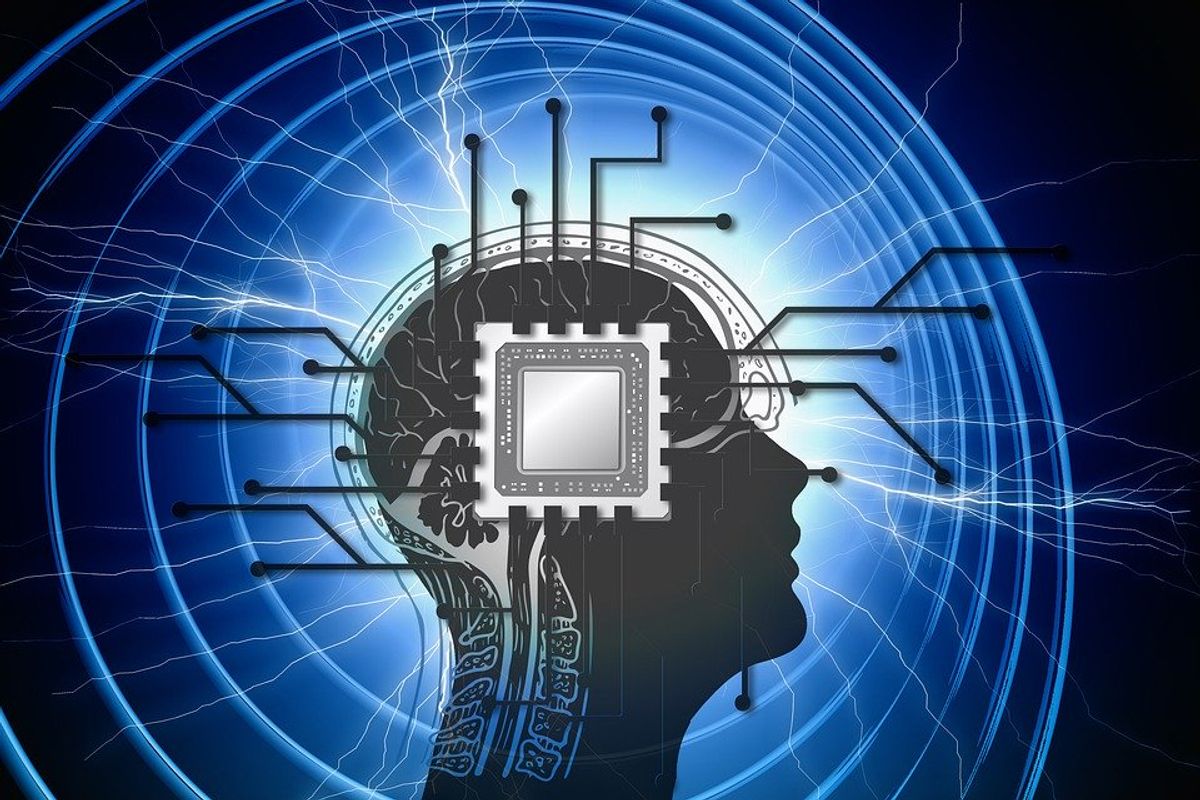
In the realm of Automated Web Design AI, the quest for efficiency must not overshadow the essence of human creativity. The rapid pace of AI innovation necessitates a delicate balance between harnessing its potential and preserving authenticity. While AI offers unprecedented opportunities, its integration poses ethical dilemmas and challenges UX professionals to navigate complex terrain.
The transition from manual inputs to intuitive conversations and descriptions empowers users to become orchestrators of technological capabilities. Yet, skeptics raise concerns about the potential erosion of genuine human interaction, urging caution against the over-reliance on algorithmic intervention.
Advocates for Web Design Innovation AI view AI as a transformative force, empowering designers to personalize experiences, predict user behavior, and streamline processes. However, as AI progresses, it will further enrich user experiences through natural interactions such as facial recognition and gesture control. This highlights the importance of striking a balance between automation and human touch.
- Embrace AI's capabilities to enhance user experiences
- Preserve the authenticity of user interactions
- Navigate the ethical dilemmas of AI integration
Ultimately, the future of UX lies in striking a balanced approach: leveraging AI’s capabilities while preserving the authenticity of user interactions. We must forge a path where technology enhances – rather than compromises – the human experience. As we continue to explore the synergy between AI and human creativity, we invite you to join the conversation and shape the future of web design. Engage with us, share your insights, and be part of the revolution.
Privacy Concerns and Data Management
In the realm of AI-enhanced web design, the management of user data stands as a pivotal concern. The balance between personalization and privacy is a delicate one, requiring web designers to navigate the intricacies of ethical data use. Users are increasingly wary of how their data is captured and utilized, with particular sensitivity towards invasive practices such as audio capture for targeted advertising, which can lead to a sense of surveillance rather than service.
The key to maintaining user trust lies in transparency and control. Designers must ensure that users are informed about how their data is used and provide them with the power to opt out or customize their experience.
This proactive approach to security is not just about respecting user autonomy; it's about safeguarding personal and financial information in a digital landscape where trust is currency. Here are some steps to ensure ethical data management:
- Establish clear privacy policies that articulate data usage.
- Implement user-friendly privacy controls.
- Regularly audit AI systems for bias and fairness.
- Engage in continuous dialogue with users about their privacy preferences.
As we continue to explore the potential of AI in web design, let us not forget the importance of ethical considerations. Your engagement with these issues is crucial. We invite you to join the conversation and help shape a future where AI enhances user experiences without compromising individual rights.
Ensuring Fairness and Accessibility in Design
In the realm of AI Web Design Best Practices, fairness and accessibility are not mere buzzwords; they are foundational pillars that uphold the integrity of user-centric design. To achieve this, a multi-faceted approach is essential, one that intertwines technical precision with a deep commitment to ethical standards.
By actively recognizing and reducing biases, designers can develop AI systems that foster trust and societal benefits.
Addressing bias is a critical step in the design process. It involves a thorough examination of data sets and algorithms to prevent discriminatory outcomes. This vigilance ensures that AI-driven automation does not inadvertently marginalize certain user groups. Moreover, a transparent design process that integrates user feedback can enhance the sense of inclusivity and fairness in AI systems.
The following list encapsulates the core aspects of designing for fairness and accessibility:
- Prioritizing transparency in AI decision-making processes
- Protecting user privacy and data integrity
- Implementing ethical frameworks and guidelines
- Ensuring AI systems are just and available to all users
As we embrace emerging technologies, it is our collective responsibility to leverage AI for scalable growth while maintaining a steadfast commitment to ethical design. Innovating SaaS with AI for competitiveness must go hand in hand with these principles to truly revolutionize user engagement and web design.
Revolutionizing E-Commerce with AI-Powered Personalization

Customized Shopping Experiences
In the digital marketplace, customized shopping experiences are not just a luxury—they are an expectation. Consumers crave the feeling of a personal touch, akin to a concierge service that knows their tastes and preferences. AI is the maestro behind this symphony of personalized service, conducting an orchestra of algorithms to deliver a shopping experience that feels uniquely tailored to each individual.
- Chatbots: Virtual shopping assistants that provide recommendations and support.
- Predictive Analytics: Tools that tailor content and offers to individual behaviors.
- Real-time Personalization: Dynamic content alteration for a bespoke user experience.
Consider the power of a chatbot that not only assists with inquiries but also suggests products based on your past interactions—this is the epitome of a tailored shopping journey. Strategy is key; by implementing AI tools like Optimizely or Adobe Target, businesses can ensure that each customer's visit is as unique as their digital fingerprint.
Embrace the future where your online store remembers your customers, caters to their preferences, and consistently delivers experiences that not only meet but exceed their expectations.
As we delve into the realm of AI-powered personalization, it's crucial to remember the human element. While AI can predict and suggest, it is the seamless integration of these technologies with human creativity that truly revolutionizes the e-commerce landscape. Let's not just chase the future; let's define it. Engage with us, share your thoughts, and together, let's craft shopping experiences that are not just personalized, but personal.
Predictive Product Recommendations
In the realm of e-commerce, predictive product recommendations stand as a cornerstone of modern web design, transforming the shopping experience into a tailored journey that anticipates the user's desires. By harnessing the power of predictive analytics tools like IBM Watson or Google Analytics Predictive Metrics, online retailers can dissect vast amounts of customer data to unveil hidden patterns and preferences. This strategic approach not only enhances user engagement but also fosters loyalty by offering a personalized touch that feels uniquely crafted for each individual.
The art of predictive product recommendations lies in the delicate balance between sophisticated AI algorithms and the nuanced understanding of human behavior.
For instance, a retail chain's success in leveraging predictive analytics to personalize marketing messages and optimize inventory levels underscores the tangible benefits of this technology. By analyzing purchasing patterns and online browsing behaviors, businesses can craft interventions to reduce cart abandonment, such as timely personalized offers or reminders. Moreover, the integration of services like API, starting at $175, ensures that these predictive systems are not only secure and scalable but also backed by ongoing support.
To truly revolutionize your e-commerce platform with predictive product recommendations, consider the following steps:
- Monitor online behavior patterns that precede cart abandonment.
- Utilize predictive analytics to trigger automated, personalized interventions.
- Customize the customer journey based on predicted behaviors to increase engagement.
Embrace the future by integrating predictive analytics into your web design strategy today. The potential to enhance user experience and drive sales is immense, and the journey towards a more personalized web is just beginning.
AI and the Future of Online Retail
The retail landscape is on the cusp of a transformation, with AI at the helm steering towards unprecedented personalization. AI-driven analytics revolutionize customer experiences by tailoring product recommendations, enhancing engagement, and fostering brand loyalty in the era of data-driven growth. The promise of AI in retail is not just a futuristic concept; it's a present-day reality with tangible benefits. Retailers leveraging AI have seen a surge in customer satisfaction and a notable reduction in churn rates.
- AI enables a level of personalization previously unattainable, predicting what customers want before they even know it themselves.
- By analyzing vast datasets, AI identifies patterns and preferences, leading to more accurate and timely product recommendations.
- The integration of AI tools in online retail platforms has blurred the lines between digital convenience and the personal touch of in-store shopping.
The synergy between AI and online retail is creating a digital renaissance, where the shopping experience is not just personalized but predictive, intuitive, and seamlessly integrated into our daily lives.
As we look to the future, the role of AI in online retail will only grow more integral. Retailers who embrace this technology will find themselves at the forefront of the industry, offering experiences that are not just satisfying but truly delightful. The call to action is clear: harness the power of AI to stay ahead in the competitive world of online retail.
The Future of UX Research and AI Integration
AI in UX Research Methodologies
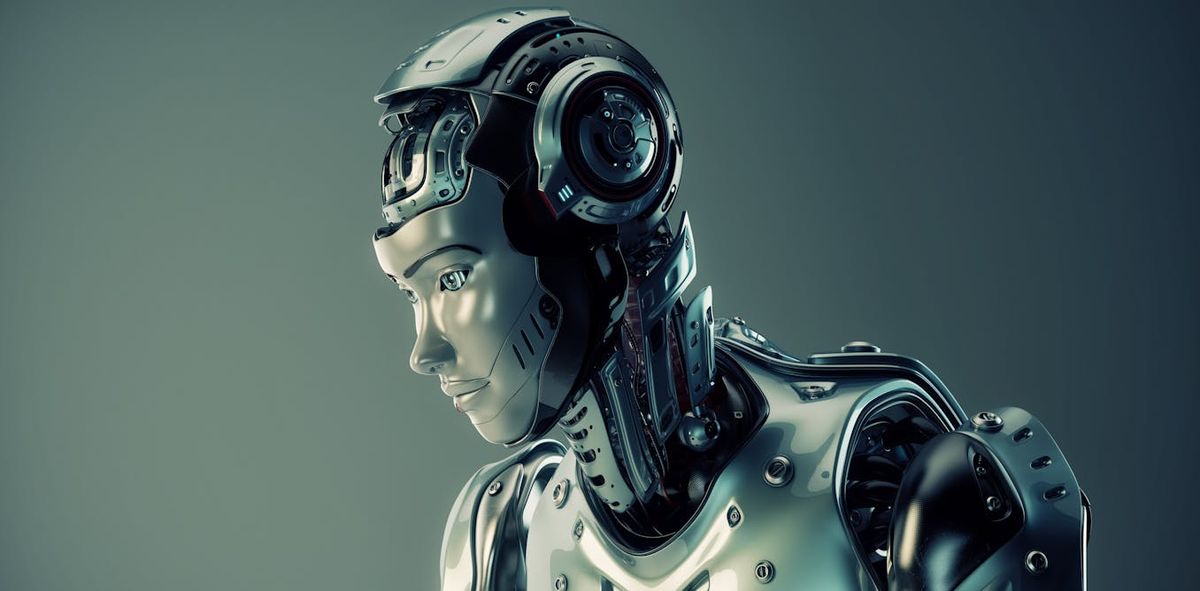
The advent of AI in UX research methodologies heralds a transformative era for designers and developers alike. AI's capability to analyze vast datasets is revolutionizing the way we understand user behavior and preferences. By leveraging machine learning algorithms, UX researchers can now uncover patterns and insights that were previously inaccessible, enabling a more nuanced approach to design.
- Automated Data Analysis: AI swiftly processes user data, revealing trends and insights.
- Predictive Modeling: Anticipates user needs, informing design decisions.
- Enhanced User Testing: AI simulates real-world user interactions, refining usability.
Embracing AI in UX research is not just about harnessing technology; it's about unlocking a deeper understanding of the user journey and crafting experiences that resonate on a personal level.
As we continue to integrate AI into our research practices, we must remember the value it brings in predicting and meeting user expectations. The insights gained from AI-driven methodologies are invaluable, guiding us towards more intuitive and user-centric designs. Let's not forget the contributions of experts like Stas, whose exceptional AI consultations have been pivotal in shaping our understanding of these concepts. By staying at the forefront of AI application in UX research, we ensure that our designs are not only functional but also truly engaging and satisfying for the user.
Collaborative AI Tools for Enhanced Design Decisions
In the realm of web design, AI-Powered Design Features are not just tools; they are collaborative partners that transform the creative process. AI enhances requirements analysis, design, and prototyping by improving speed, accuracy, adaptability, and stakeholder engagement. It streamlines workflows and fosters innovation in a competitive market.
The integration of AI into design workflows is a game-changer, enabling teams to transcend traditional limitations and unlock new realms of creativity.
Additionally, cooperation and cross-disciplinary teamwork are essential in modifying design procedures for the integration of AI. Designers must work hand-in-hand with AI experts, data scientists, and other stakeholders to create solutions that balance technical feasibility with user needs. This collaborative approach not only sparks creativity but also ensures that AI-driven design methods are implemented effectively, delivering tangible benefits to end-users.
Here's a glimpse into the collaborative ecosystem of AI in design:
- Expanding Collaborators in Design
- Inclusion in CX Design Processes
- New Collaborators for AI Integration
- Ethical Implications in AI Design
- Addressing Bias and Ethics
- Designing with Fairness in Mind
Embrace the synergy of AI and human creativity in your design process. Let AI be your ally in crafting experiences that resonate deeply with users. The future is collaborative—be a part of it.
Predicting and Meeting User Expectations
In the realm of web design and user engagement, AI algorithms are strategic partners in identifying consumer behavior shifts. By leveraging historical data, AI not only predicts user behavior but also empowers UX researchers to preemptively tailor digital environments to user preferences. This foresight enhances usability and satisfaction, as users find themselves navigating through interfaces that seem to understand their needs before they do.
For example, consider the mobile app domain where AI's predictive capabilities shine. It analyzes past interactions to forecast which features will captivate users next, enabling a seamless and intuitive user journey.
The synergy between AI and UX research is pivotal in crafting experiences that resonate on a personal level. It's not just about responding to user actions; it's about anticipating them to create a truly personalized experience.
To fully harness the potential of AI in predicting and meeting user expectations, consider the following strategy:
- Utilize predictive analytics tools such as IBM Watson or Google Analytics Predictive Metrics to dissect and understand customer data.
- Identify behavioral trends and use these insights to inform future design decisions.
- Implement personalization at scale, ensuring each user feels uniquely understood and valued.
Embrace AI-driven analytics for a competitive edge. It transforms market analysis with trends, real-time analysis, and predictive power, offering unparalleled growth and efficiency. The future of web design hinges on our ability to predict and meet user expectations, making every interaction a step towards long-term engagement and satisfaction.
Conclusion
The integration of AI into web design and user engagement heralds a transformative era for digital experiences. As AI technologies advance, they offer unparalleled opportunities to predict and cater to user preferences, thereby revolutionizing web design and enhancing user engagement. The potential for AI to personalize interactions, optimize content for search engines, and bolster website security is immense. However, harnessing this potential necessitates a careful consideration of ethical implications and the overcoming of operational challenges. It is imperative that we leverage AI to augment rather than supplant human creativity and insight. The future of web design and development is poised to witness an even deeper fusion of AI, unlocking new horizons for creativity, efficiency, and user satisfaction. In this journey, the synergy between human ingenuity and AI will be pivotal in crafting digital experiences that are not only intuitive and engaging but also respectful of the user's needs and ethical standards.
Frequently Asked Questions
How does AI predict user preferences in web design?
AI predicts user preferences by analyzing data from user interactions, browsing patterns, and engagement metrics. Machine learning algorithms then identify trends and patterns to tailor web design elements dynamically, creating personalized user experiences.
What are some examples of AI-driven web design elements?
Examples include predictive user interfaces that adapt to user behavior, dynamic content customization based on user interests, and real-time website adaptation through A/B testing to determine the most effective design choices.
What ethical considerations arise from using AI in web design?
Ethical considerations include ensuring user privacy and data security, maintaining transparency in how user data is used, balancing AI automation with human creativity, and providing fair and accessible design for all users.
How is AI transforming the e-commerce experience?
AI is transforming e-commerce by offering customized shopping experiences, predictive product recommendations based on user behavior, and optimizing the online retail space to increase engagement and conversion rates.
What role does AI play in UX research and design decisions?
AI aids UX research by providing data-driven insights into user behavior, helping to predict user expectations, and facilitating the use of collaborative AI tools that enhance design decisions and the overall user experience.
What is the future of AI in web design and development?
The future of AI in web design and development includes more sophisticated predictive analytics, enhanced personalization, improved SEO, and the continuous integration of AI to create intuitive and engaging user experiences.
Comments
Post a Comment