Harnessing AI Innovation for Next-Gen Web Design: Personalization Meets User Experience
The fusion of Artificial Intelligence (AI) with web design is forging a new frontier in digital experiences. By integrating AI-driven personalization and user experience (UX) enhancements, next-generation web design is not only more responsive to user needs but also more efficient in its development process. This article delves into how AI innovation is shaping the future of web design, focusing on personalization, efficiency, conversational interfaces, conversion rates, and predictive trends.
Key Takeaways
- AI is revolutionizing web design by offering personalized user experiences through machine learning, dynamic layout optimization, and tailored recommendations.
- Efficiency in web development is significantly enhanced by AI through the automation of repetitive tasks, optimization for performance, and streamlined AI integrations.
- Conversational AI, including chatbots and virtual assistants, is improving user interactions and support by leveraging natural language processing for a personalized touch.
- AI personalization techniques are instrumental in maximizing conversion rates by utilizing predictive analytics for targeted marketing and customized offers.
- The future of web development with AI is set to be transformative, predicting trends with AI algorithms, innovating with generative AI, and enabling adaptive web design.
Personalized User Experience through AI
Tailoring Content with Machine Learning
In the realm of web design, the advent of machine learning (ML) has ushered in an era of unprecedented personalization. By analyzing user data and behavior, ML algorithms can tailor content to individual preferences, enhancing the user experience significantly. This personalization is not just about aesthetics; it's about creating a connection with the user, making them feel understood and valued.
For instance, consider the impact of a learning platform that adapts to the pace and style of each user. Such a system could leverage AI to deliver a truly personalized learning experience, optimizing engagement and knowledge retention. This is not a distant dream but a tangible reality made possible by the sophisticated use of ML in web design.
The true power of machine learning lies in its ability to transform vast amounts of data into meaningful interactions, making every visit to a website a unique journey for the user.
Moreover, AI-powered tools are not just reactive but proactive. They can predict user needs and preferences, adjusting content in real time. This dynamic approach to content curation ensures that users are consistently presented with material that resonates with their interests and needs. The table below illustrates how AI personalization can enhance various aspects of the user experience:
| Aspect of User Experience | Impact of AI Personalization |
|---|---|
| Content Relevance | Highly Improved |
| Engagement Levels | Significantly Increased |
| Learning Efficiency | Markedly Enhanced |
Embracing AI in web design is not just about keeping up with trends; it's about staying ahead and setting new standards. As we continue to explore the capabilities of machine learning, the potential for creating deeply personalized web experiences is limitless. Remember, the future of web design is not just about technology; it's about the people it serves. Engage with us to discover how AI can revolutionize your web presence and connect with your audience on a whole new level.
Dynamic Layout Optimization
In the realm of AI and UX/UI Design, dynamic layout optimization stands as a cornerstone for creating fluid and adaptive web experiences. AI-driven tools are now capable of analyzing user interactions in real-time, enabling websites to morph and adjust their layouts to better suit individual user needs. This not only enhances the user experience but also contributes to a more personalized web environment.
The synergy between AI and dynamic layout optimization is transforming the way users interact with websites, making each visit uniquely tailored to their preferences.
Consider the following benefits of dynamic layout optimization powered by AI:
- Adaptive Content Display: Content is rearranged based on user behavior, ensuring the most relevant information is always front and center.
- Responsive Design Elements: Design elements shift and resize depending on the device and screen size, providing an optimal viewing experience.
- User Flow Optimization: Navigation paths are adjusted in real-time to streamline the user journey and reduce bounce rates.
By embracing AI for dynamic layout optimization, web developers can create more engaging and intuitive websites that resonate with users on a personal level. The call to action is clear: leverage AI to revolutionize your web design and stay ahead in the digital landscape.
Enhancing User Engagement with Personalized Recommendations
In the realm of AI-Enhanced User Experience, the power of personalized recommendations cannot be overstated. By harnessing the capabilities of AI, web platforms can deliver Personalized Web Experiences AI that resonate with individual users on a profound level. Machine learning algorithms delve into the depths of user data, crafting a tailored journey that not only meets but anticipates user needs and preferences.
The seamless integration of personalized recommendations into the user experience is a testament to the sophistication of modern AI systems. It's not just about presenting options; it's about curating an experience that feels intuitively aligned with the user's desires.
The impact of such personalization is clear: heightened user engagement, increased loyalty, and a significant uptick in conversion rates. Consider the following benefits:
- Predictive analytics inform content curation, ensuring relevance and timeliness.
- Collaborative filtering fine-tunes recommendations, reflecting the user's evolving interests.
- Dynamic content adjustment keeps the user experience fresh and engaging.
Unlock the potential of predictive analytics for personalized customer experiences, enhanced engagement, and competitive advantage through AI-driven insights and decision-making strategies. The journey towards a more personalized web is not just a possibility—it's an imperative for those seeking to thrive in the digital landscape. Are you ready to revolutionize your user engagement strategy with the power of AI?
AI-Driven Efficiency in Web Development
Automating Repetitive Tasks
In the realm of web development, AI-driven automation is not just a trend; it's a revolution. By automating repetitive tasks, developers are liberated from the mundane, unlocking a new era of creativity and strategic thinking. Imagine a world where the laborious coding for basic layouts, the meticulous testing for cross-browser compatibility, and the relentless search for bugs are all handled by intelligent algorithms. This is not a distant future; it's the present, and it's reshaping the industry.
The automated testing framework, through AI, tends to execute different test suites to recognize performance bottlenecks and can also effectively optimize a website's overall functionality across multiple browsers and devices.
Here's how AI is streamlining the web development process:
- Automated Testing: AI algorithms swiftly detect bugs, analyze code patterns, and predict potential issues, enhancing product reliability.
- Code Generation: Machine learning models can generate boilerplate code, speeding up the initial phases of development.
- Debugging: AI tools provide insights into code performance, helping developers to quickly identify and resolve issues.
By embracing AI-driven automation, businesses are not just improving efficiency; they are fostering an environment where innovation thrives. Developers can now focus on crafting unique user experiences and pushing the boundaries of what's possible on the web. As we continue to harness these emerging technologies, we pave the way for scalable growth and seamless expansion. The call to action is clear: integrate AI into your web development workflow and witness a transformation in productivity and creativity.
Optimizing for Accessibility and Performance
In the realm of AI Web Design Best Practices, optimizing for accessibility and performance is not just a courtesy; it's a necessity. AI Web Design Tools are revolutionizing the way we approach web development, ensuring that websites are not only aesthetically pleasing but also universally accessible. Intelligent Web Design Technologies are the cornerstone of creating an inclusive digital environment, where features such as text-to-speech and voice commands become standard offerings.
- AI for Web Design Efficiency goes beyond mere visual appeal, delving into the realm of functionality that caters to diverse user needs.
- AI Web Layout Optimization is about creating a seamless experience for all users, regardless of their abilities or the devices they use.
- AI-Driven Web Aesthetics ensure that the visual elements of a website are dynamically adjusted to serve both the brand and the user experience.
By harnessing the power of AI, web developers can craft experiences that are not only engaging but also highly accessible, leading to improved user satisfaction and higher conversion rates.
The automated testing frameworks powered by AI are instrumental in identifying and rectifying performance bottlenecks, thereby enhancing the website's functionality across various platforms. This is where AI Web Design Tools intersect with the need for robust performance, ensuring that your website remains competitive and compliant with the latest standards. Stas Sorokin, a professional in the field, leverages GPT-4 technology to deliver top-notch web development services, embodying the fusion of AI and expert craftsmanship.
Streamlining Operations with AI Integration
The integration of AI in web development is not just about enhancing the user experience; it's also about streamlining operations to achieve unprecedented efficiency. Automated Web Design AI tools are revolutionizing the way developers approach their work, turning tedious tasks into automated processes. This not only saves valuable time but also allows for a more creative focus on AI-Powered Design Features.
- AI algorithms can automate code generation, reducing the need for manual coding.
- AI in Creative Web Solutions can analyze user data to inform design decisions, ensuring a more user-centric approach.
- Automated testing powered by AI can detect issues early, leading to higher quality outcomes.
By integrating AI into the web development workflow, businesses can significantly reduce the time-to-market for new web features and designs, while maintaining a high standard of quality.
The use of AI-Powered Design Features is not just a trend; it's a strategic move towards more adaptive, intelligent, and responsive web solutions. As we look to the future, the role of AI in Creative Web Solutions is set to become even more integral, offering limitless possibilities for innovation and growth. Don't miss out on the transformative power of AI in web development—embrace it to stay ahead in the digital landscape.
Conversational Interfaces: Chatbots and Virtual Assistants

Improving User Interactions with AI
The advent of AI in web design has ushered in an era where user interactions are not just intuitive but highly personalized. By analyzing user behavior and preferences, AI-driven interfaces can anticipate needs and offer solutions in real-time. This proactive approach to user engagement ensures that every interaction is tailored to the individual, creating a seamless and satisfying user experience.
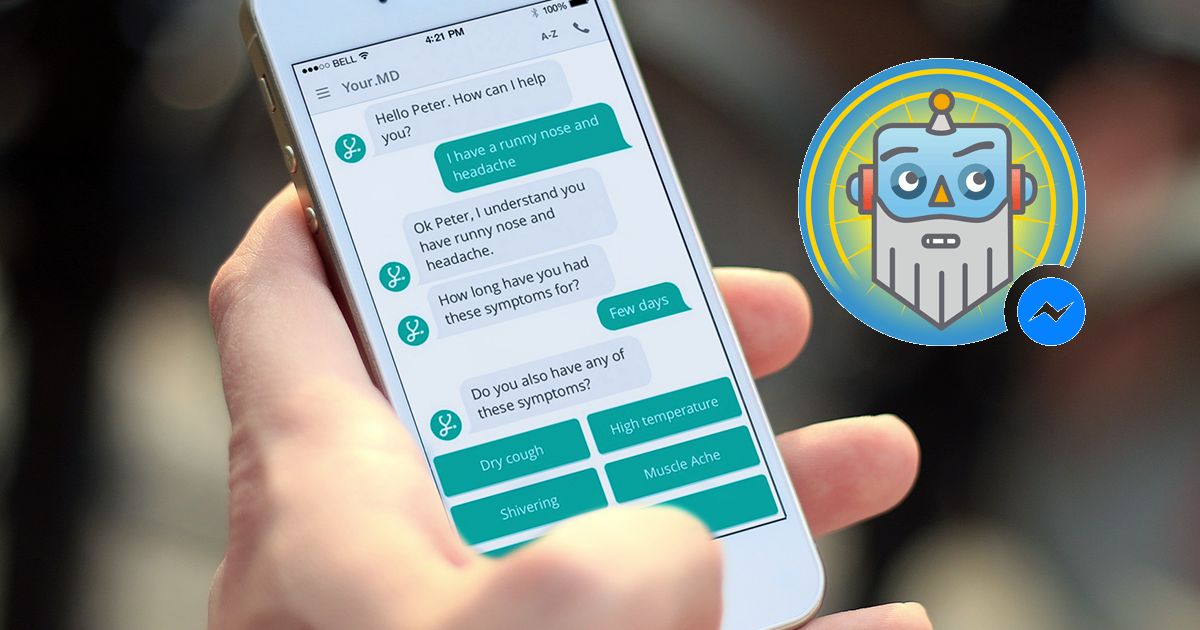
- AI chatbots and virtual assistants provide instant, 24/7 customer support.
- Machine learning algorithms adjust content and interfaces to match user preferences.
- Natural Language Processing (NLP) enables chatbots to conduct human-like conversations.
The integration of AI into web design is not just a trend; it's a transformative movement towards creating web experiences that are as unique as the individuals who use them.
By leveraging the power of AI, websites can evolve from static information portals to dynamic platforms that grow and adapt with each user. The result is a web that feels more like a personal assistant than a tool, enhancing not only user satisfaction but also fostering brand loyalty and trust. Remember, the goal is not just to meet expectations, but to exceed them—much like Stas Sorokin, whose AI lectures and projects have garnered high praise for their practicality and relevance.
Personalized Support through Conversational AI
In the realm of web design, Conversational AI stands as a cornerstone for personalized support, offering a seamless bridge between user needs and technological capabilities. By harnessing the power of AI, chatbots and virtual assistants are not only revolutionizing the way we interact with websites but are also providing a level of individualized attention that was once the exclusive domain of human customer service representatives.
- Instantaneous Response: AI-driven chatbots provide immediate answers to user inquiries, reducing wait times and improving overall satisfaction.
- 24/7 Availability: Unlike human staff, virtual assistants are always on duty, ensuring that help is at hand whenever it's needed.
- Learning and Adaptation: Through continuous interactions, these systems learn and evolve, offering increasingly accurate and relevant support.
The integration of Conversational AI into web platforms is not just a trend; it's a transformative force that is reshaping the landscape of user experience.
Unlock business potential with AI-powered analytics for personalized recommendations. Transform operations and enhance customer loyalty across sectors through continuous AI integration. As we move forward, the symbiosis of AI and web design promises to unlock new horizons in personalization, making every online interaction more meaningful and every user journey uniquely tailored. Embrace the future—where your website knows your users as well as you do.
The Role of Natural Language Processing in Enhancing User Experience
Natural Language Processing (NLP) stands at the forefront of transforming web interactions into intuitive and meaningful exchanges. NLP's ability to parse and understand human language has revolutionized the way users interact with web platforms. By analyzing textual data, NLP algorithms can extract keywords, discern sentiment, and grasp semantic nuances, thereby tailoring content to be more relevant and engaging.
The seamless integration of NLP facilitates communication across diverse user bases, breaking down language barriers and fostering inclusivity.
NLP is not just about understanding language; it's about creating a dialogue. Chatbots and virtual assistants, powered by NLP, are now capable of providing instant, personalized support around the clock. This 24/7 assistance ensures that user queries are not just heard, but understood and addressed effectively.
- Content Summarization
- Auto-tagging
- Language Translation
These features are just the tip of the iceberg when it comes to the capabilities of NLP in enhancing user experience. As we continue to harness the power of AI, the potential for creating more adaptive, smarter, and highly engaging websites is limitless. Embrace the change, and let AI take your web presence to the next level. Stay ahead of the curve and ensure your website is not just seen, but also heard and understood.
Maximizing Conversion Rates with AI Personalization
Leveraging Predictive Analytics for Targeted Marketing
In the realm of web design, predictive analytics emerges as a game-changer, transforming vast datasets into actionable insights. Predictive analytics forecasts user behavior and trends, enabling a more strategic approach to marketing. By analyzing historical data, such as user interactions and purchasing patterns, websites can tailor their offerings to meet user needs with uncanny precision.
The power of predictive analytics lies in its ability to offer personalized recommendations in real-time, significantly enhancing the user experience and boosting conversion rates.
Consider the following benefits of integrating predictive analytics into your marketing strategy:
- Enhanced Customer Segmentation: Classify users based on behavior, demographics, and preferences to target them effectively.
- Optimized Marketing Campaigns: Predict the success of various marketing strategies and allocate resources where they are most likely to yield results.
- Improved Inventory Management: Use predictive models to anticipate demand and adjust stock levels accordingly, avoiding overstocking or stockouts.
Embrace the potential of predictive analytics to not only meet but anticipate the needs of your users. By doing so, you create a personalized web experience that resonates deeply, fostering loyalty and driving conversions. Let's harness this innovative AI capability to craft marketing strategies that are not just reactive, but proactive. Engage with us to explore how predictive analytics can revolutionize your web presence.
Customized Product Recommendations and Offers
In the realm of web design, personalization is the cornerstone of user satisfaction. AI-driven personalization engines are transforming the way e-commerce platforms engage with their customers. By analyzing user behavior, purchase history, and browsing patterns, AI algorithms can curate product recommendations and offers that resonate with individual preferences, significantly enhancing the shopping experience.
The key to unlocking higher conversion rates lies in the intelligent application of data to tailor the user journey.
For instance, consider the impact of a personalized homepage that greets returning customers with items they are most likely to purchase, based on their past interactions. This level of customization not only fosters a sense of familiarity but also streamlines the shopping process, leading to increased sales and customer loyalty.
To illustrate the effectiveness of personalized recommendations, here's a snapshot of the potential impact:
- Increased Average Order Value: Customers are more likely to add recommended products to their cart.
- Enhanced Customer Retention: Personalized experiences encourage repeat visits and purchases.
- Higher Customer Satisfaction: Tailored offers lead to a perception of a brand that understands and values its customers.
Embrace the future of web design by integrating AI personalization into your platform. Offering API integration services starting at $175, we specialize in crafting bespoke solutions that cater to your unique business needs. Elevate your user experience and watch your conversion rates soar.
Increasing Sales through Enhanced Customer Retention Strategies
In the digital marketplace, customer retention is paramount to increasing sales. AI-driven analytics revolutionize customer engagement, enhancing personalization, loyalty, and revenue. Strategic investment in AI-Enhanced SaaS Services is key for brand growth and competitive advantage. By analyzing customer data, AI can identify patterns and predict future buying behaviors, allowing for the creation of highly targeted retention strategies.
The key to unlocking the potential of AI in customer retention lies in its ability to learn from data and anticipate customer needs, delivering a more compelling and personalized user experience.
Here are some ways AI contributes to enhanced customer retention:
- Predictive analytics to forecast customer behaviors
- Personalized product recommendations based on user history
- Dynamic pricing strategies to maintain competitive advantage
- Automated customer service for consistent support
Remember, the goal is not just to sell, but to create a loyal customer base that finds value in your brand. Ready to revolutionize your website with AI? Explore AI Solutions with Us and embark on a journey to transform your web presence into a customer retention powerhouse.
The Future of AI in Web Development
Predicting Trends with AI Algorithms
In the ever-evolving landscape of web development, predictive analytics stands as a beacon of innovation, forecasting trends and user behaviors with remarkable accuracy. By harnessing historical data, AI algorithms can unveil patterns and preferences, shaping the future of user interactions and online experiences.
The true power of AI lies in its ability to not only predict the future but to adapt to it, ensuring that web design remains at the forefront of technological advancement.
Developers and designers are now equipped with tools that can analyze vast amounts of data, offering insights into purchasing patterns and demographic nuances. This data-driven approach enables real-time personalization, revolutionizing the way we think about user engagement.
- Understanding User Needs: AI algorithms analyze user interactions to tailor content and recommendations.
- Adaptive Strategies: Leveraging data to refine marketing and design tactics.
- Continuous Learning: AI systems evolve with new data, ensuring relevance and precision.
As we look to the horizon, the integration of AI in web development promises a symbiosis of creativity and analytics. The call to action is clear: embrace AI to not only predict the future but to actively shape it, crafting web experiences that resonate on a personal level and keep users coming back for more.
Revolutionizing Design with Generative AI
The advent of Generative AI is transforming the landscape of web design, enabling a level of personalization and creativity previously unattainable. By analyzing user data, AI can now generate design elements that are not only aesthetically pleasing but also deeply resonant with individual user preferences. This shift towards AI-driven design is not just about aesthetics; it's about creating a user experience that feels tailor-made for each visitor.
The potential of Generative AI extends beyond mere visual appeal. It encompasses the entire spectrum of user interaction, from the initial content that greets them to the seamless flow of navigation.
With Generative AI, the process of design prototyping becomes significantly accelerated, allowing for rapid iteration and refinement. This means that web developers can test and optimize various design elements in real-time, ensuring that the final product is both functional and engaging. Moreover, the integration of AI into the design process raises important ethical considerations, as the technology's capability to influence user behavior must be wielded responsibly.
As we look to the future, the role of Generative AI in web design is poised to expand even further. It promises to deliver experiences that are not only personalized but also predictive, adapting to user needs even before they are fully articulated. The table below outlines the key benefits of incorporating Generative AI into web design:
| Benefit | Description |
|---|---|
| Enhanced Personalization | Tailoring design elements to individual user preferences. |
| Increased Efficiency | Speeding up the design process through automation. |
| Improved User Engagement | Creating dynamic, interactive elements that captivate users. |
| Ethical Design | Considering the impact of AI on user autonomy and privacy. |
Embracing Generative AI in web development is not just a trend; it's a strategic imperative for those looking to stay at the forefront of innovation. As we harness the power of AI, we must also remain vigilant about the ethical implications and ensure that our designs empower rather than manipulate users. The AI revolution is here, and it's up to us to shape its trajectory for the betterment of web design and user experience.
The Role of AI in Adaptive and Responsive Web Design
The integration of AI in Web Design has become a cornerstone for creating adaptive and responsive digital experiences. AI for Responsive Design is not just about adjusting screen sizes; it's about understanding user contexts and behaviors to provide a seamless interaction across all devices. Web Design Innovation AI is pushing the boundaries, enabling websites to evolve in real-time, responding to user needs with precision and finesse.
- AI algorithms analyze user data to inform design decisions.
- Machine learning models predict user preferences for layout and content.
- Real-time adjustments are made to enhance accessibility and usability.
The synergy between AI and web design is crafting a future where websites are not just responsive, but intuitively adaptive, reshaping the user experience to be as unique as the individual interacting with it.
As we stand on the brink of this transformative era, it is imperative for web developers and designers to embrace AI-driven strategies. The potential for personalized, context-aware designs is immense, and those who leverage AI in their creative processes will lead the charge in the next wave of web innovation. Engage with AI in your next project and be part of the revolution that is setting new standards in user experience and design excellence.
Embracing the AI-Driven Future of Web Design
In conclusion, the integration of Artificial Intelligence into web design heralds a transformative era where personalization and user experience are not just enhanced but reimagined. AI's predictive capabilities and dynamic responsiveness are revolutionizing the way users interact with online platforms, offering unprecedented levels of engagement and satisfaction. As we have explored, AI-enabled tools are not only optimizing user flows and content but are also paving the way for more efficient, accessible, and personalized web experiences. The future of web development is undeniably intertwined with AI innovation, promising a landscape where websites are not static entities but dynamic ecosystems that grow and adapt to user needs. Embracing this AI-driven future requires a commitment to continuous learning and adaptation, ensuring that web design remains at the forefront of delivering exceptional user experiences.
Frequently Asked Questions
How does AI enhance personalized user experience in web design?
AI analyzes user preferences, behavior, and past interactions to provide personalized content and recommendations. Machine learning models dynamically adjust content and layout, leading to increased user engagement and improved customer loyalty.
What role do chatbots and virtual assistants play in web development?
Chatbots and virtual assistants improve user interactions by offering personalized support and assistance. They utilize natural language processing to understand and respond to user queries, enhancing the overall user experience on the website.
How can AI-driven efficiency benefit web development?
AI-driven tools can automate repetitive tasks, optimize websites for accessibility and performance, and streamline operations. This results in more efficient development processes and allows developers to focus on more creative aspects of web design.
In what ways can AI contribute to higher conversion rates for websites?
AI can leverage predictive analytics to deliver targeted marketing, provide customized product recommendations, and create personalized offers based on user data. These strategies help in improving conversion rates and driving revenue.
What is the future of AI in web development?
The future of AI in web development includes predictive trend analysis, generative AI for dynamic content generation, and adaptive and responsive web design. AI will continue to revolutionize efficiency, personalization, and user experience in web development.
How does Generative AI contribute to personalized web experiences?
Generative AI (GenAI) can create personalized content by understanding user queries and preferences. It enables smart search capabilities and generates relevant results, enhancing the personalization of user experiences on the web.
Comments
Post a Comment