Harnessing AI to Revolutionize Web Design: Tailoring User Experience with Predictive Technologies
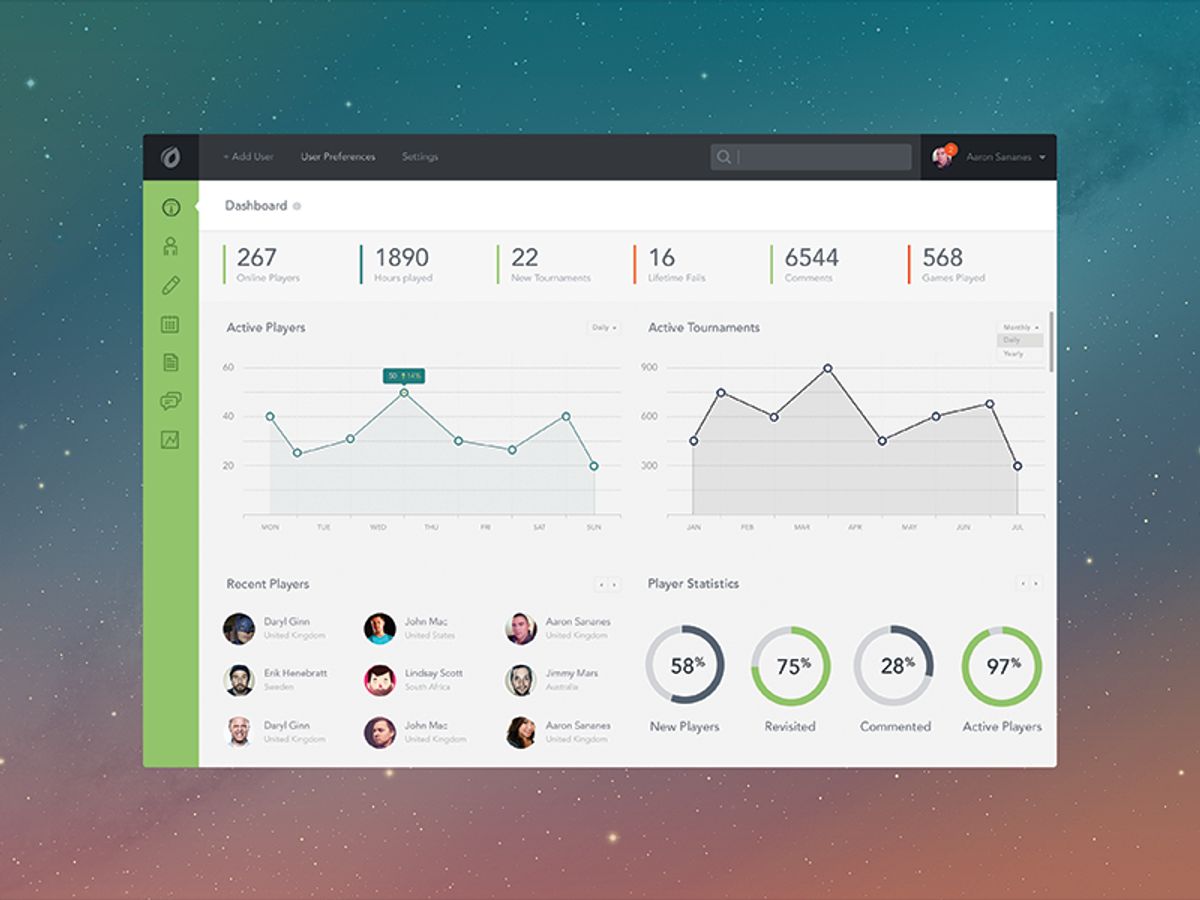
The fusion of Artificial Intelligence (AI) and web design is not just an emerging trend; it's a transformative movement reshaping the digital landscape. By leveraging AI's predictive capabilities, designers can now create web experiences that are not only visually appealing but also incredibly intuitive and tailored to individual user preferences. This article delves into how AI technologies are revolutionizing web design, from providing data-driven insights and personalization to integrating with cloud services and enhancing user interactions with augmented reality.
Key Takeaways
- AI's predictive analytics are key to understanding and adapting to user preferences, enabling personalized web design experiences that drive engagement.
- Cloud-based AI solutions offer scalability and ease of integration, simplifying the web design process and making advanced tools more accessible.
- Augmented Reality (AR) infused with AI takes user experience to a new dimension, offering interactive and immersive design possibilities.
- Data-driven insights from AI help designers stay ahead of trends and user engagement patterns, ensuring web designs are both current and effective.
- The continuous advancement of AI technologies in web design opens up new avenues for innovation, competitive advantage, and monetization in the digital market.
Data-Driven Design Insights and Predictive Analytics

Harnessing AI for Trend Analysis
In the realm of web design, AI-driven analytics enhance customer engagement by providing a deep understanding of user behavior and preferences. These insights are not just numbers; they are the keys to unlocking personalized experiences that resonate with users on an individual level. By analyzing vast datasets, AI tools can predict emerging design trends, allowing businesses to stay one step ahead in a rapidly evolving digital landscape.
Here's how it benefits you:
- Sales Forecasting: AI applications analyze market trends to predict product popularity, optimizing marketing efforts.
- Traffic Optimization: AI tools suggest optimal times for content posting and promotions by scrutinizing customer traffic patterns.
- Keyword Optimization: They identify crucial keywords to elevate your content's search engine visibility.
Embrace the transformative power of AI to not only follow but set the trends. The future of web design is predictive, not reactive, and AI is the compass guiding us towards innovation and relevance.
As we continue to harness the potential of AI for trend analysis, we invite you to join us in this journey. Together, we can build brand loyalty through data-driven customization and transform data into actionable insights for personalized experiences. The time to adapt is now—let AI be your guide to a more engaged and loyal customer base.
Predictive Models for User Engagement
In the realm of web design, predictive models are the crystal balls of user engagement. These sophisticated AI tools analyze vast amounts of data to forecast user behavior, enabling designers to create more engaging and intuitive experiences. By understanding the patterns and preferences of users, businesses can tailor their websites to meet the nuanced needs of their audience.
- Machine learning models in predictive analytics offer insights into future trends and customer behaviors.
- Integration into business processes requires understanding, talent, and investment for transformative growth.
For instance, integrating AI with your email platform can streamline customer interactions and enhance engagement. Tools like AWeber exemplify how AI can make email marketing strategies more efficient and effective.
Predictive analytics not only anticipate the needs of users but also empower designers with the foresight to innovate proactively.
Custom AI solutions can also be tailored for specific business functions, such as inventory optimization in retail, based on predictive consumer behavior models. This level of customization ensures that businesses are not just reacting to trends, but shaping them.
As we continue to explore the potential of AI in web design, the call to action is clear: embrace these technologies to stay ahead. The integration of predictive models into your design strategy is not just an option; it's an imperative for those who wish to lead in the digital landscape.
Optimizing Inventory with AI Predictions
In the realm of web design, the integration of AI for inventory optimization is not just a futuristic concept but a present-day reality. AI-driven predictive analytics are revolutionizing how businesses manage their inventory, ensuring that the right products are available at the right time. By analyzing vast datasets, AI can forecast demand with remarkable accuracy, leading to more efficient stock management and reduced waste.
For example, consider the impact of AI on a niche business selling artisanal cheeses. By leveraging historical data, market trends, and customer feedback, AI can predict which cheese varieties will be in high demand. This not only streamlines inventory management but also enhances customer satisfaction by ensuring their favorite selections are always in stock.
The transformative power of AI in inventory management extends beyond mere predictions. It redefines the supply chain, making it more intelligent and responsive to market dynamics.
Retailers and manufacturers alike are harnessing AI to gain a competitive edge. A retail company might customize an AI system to forecast product demand based on historical sales, local events, and weather patterns. Meanwhile, an automotive manufacturer could develop a bespoke AI solution to predict vehicle maintenance needs, minimizing downtime and improving service quality.
Unlock business potential with AI-powered analytics for personalized recommendations. Transform operations across sectors and enhance brand engagement for sustainable competitive advantage. The journey towards a smarter inventory is not just about technology; it's about creating a seamless experience that resonates with customers and drives business growth.
Personalization and User-Centric AI Applications

Tailoring Design to Individual Preferences
In the realm of web design, personalization is the cornerstone of user satisfaction. Customization in AI SaaS is crucial for competitive advantage, offering a suite of features that cater to the unique tastes and requirements of each user. Imagine a platform that not only understands your preferences but also anticipates your needs, creating a user experience that feels bespoke and intuitive.
The power of AI-driven design tools lies in their ability to learn and adapt. By analyzing user interactions and feedback, these tools can refine and evolve, ensuring that the design remains aligned with individual preferences over time.
Here's a glimpse into how AI facilitates this tailored approach:
- Customization Options: Users can input room dimensions, styles, and color schemes to receive personalized design suggestions.
- AI Algorithms: These sophisticated systems analyze user data to generate design options that resonate on a personal level.
- Furniture Placement Suggestions: Optimized layouts are provided, taking into account user preferences and spatial dimensions.
- Color Palette Recommendations: AI proposes harmonious color combinations, aligning with the user's desired aesthetic.
By embracing these AI-powered capabilities, businesses can deliver a user experience that is not only engaging but also deeply resonant with the individual's vision. As we continue to explore the vast potential of AI in web design, we invite you to join us in this journey. Let's harness the transformative power of AI to create web spaces that are not just functional, but also a true reflection of the user's identity.
AI-Enhanced Personalized Shopping Experiences
In the realm of e-commerce, AI-Enhanced User Experience is not just a buzzword; it's a transformative force. Small business owners, like those running an online clothing store, are now empowered to offer Personalized Web Experiences AI, thanks to the advent of intelligent systems. These AI tools, equipped with machine learning algorithms, delve into historical sales data and customer feedback to craft a shopping experience that feels uniquely tailored to each individual.
The AI revolution in retail is not just about enhancing customer satisfaction; it's about liberating business owners from the minutiae of data analysis, allowing them to concentrate on strategic growth and customer service.
For example, if a customer has a penchant for summer dresses, the AI system will detect this trend and proactively suggest similar items in future interactions. This level of personalization was once a labor-intensive task, but now, platforms like Shopify are making intelligent product recommendations a standard feature. Here's how AI can elevate the e-commerce experience:
- Personalized Interaction: Chatbots greet customers by name and tailor conversations based on purchase history.
- Customer Service: AI provides instant responses to inquiries, enhancing customer satisfaction.
- Product Recommendations: Algorithms suggest products aligned with past purchases, akin to a digital sales assistant.
- Task Automation: AI handles routine tasks, freeing up time for more strategic business activities.
Unlock the potential of AI-driven analytics for data-driven growth. Personalize services, enhance customer engagement, and optimize decision-making with AI insights. Embrace the AI revolution for competitive advantage. The future of web design is here, and it's personalized, predictive, and powered by AI. Are you ready to join the revolution?
Content Creation with AI for Customized Interactions
In the realm of web design, AI is transforming content creation by enabling hyper-personalized user interactions. By analyzing user data, AI tools can craft content that not only engages but also resonates on a personal level. This is not just about efficiency; it's about creating a unique voice that speaks directly to your audience.
- Trend Analysis: AI identifies emerging patterns in user behavior.
- Content Customization: Tailors content to individual preferences.
- Engagement Optimization: Adjusts content in real-time for maximum impact.
The true power of AI in content creation lies in its ability to learn and adapt, ensuring that every piece of content is not only relevant but also timely and impactful.
Custom AI solutions, such as those highlighted by Stas Sorokin, an AI expert, offer a competitive edge. These solutions are not off-the-shelf products but are meticulously crafted to meet the unique challenges and needs of your business. Imagine a tool that evolves with your strategy, offering personalized marketing campaigns that are not just data-driven but also heart-driven, connecting with your customers on an emotional level.
In conclusion, embracing AI for content creation is not a futuristic dream but a present-day necessity. It's time to harness the predictive power of AI to tailor your web design and content for an unparalleled user experience. Let AI be your partner in crafting a narrative that captivates and converts. Are you ready to revolutionize your web presence? Dive into the world of AI-driven content creation and watch your engagement soar.
Cloud-Based AI Solutions for Web Design

Scalability and Accessibility of AI Tools
In the realm of web design, AI Web Design Tools are not just a luxury; they are a necessity for staying competitive. These tools offer unparalleled scalability, allowing businesses to expand their digital presence effortlessly as they grow. The accessibility of AI tools means that even smaller enterprises can leverage the power of AI to create sophisticated, user-centric designs.
- Scalability: AI tools adapt to increased workloads without compromising performance.
- Accessibility: Cutting-edge design technology is now within reach for all.
The democratization of AI in web design has leveled the playing field, enabling businesses of all sizes to craft experiences that were once the domain of tech giants.
As we consider the integration of AI in web design, it's crucial to assess its alignment with business strategies, its ability to handle unique data needs, and its potential to provide a competitive edge. The table below succinctly captures the core advantages of AI Web Design Tools:
| Feature | Advantage |
|---|---|
| Customization | Tailored solutions for unique business needs |
| Efficiency | Optimized processes for improved productivity |
| Competitive Edge | Strategic advantage in the market |
Embrace the transformative power of AI in your web design endeavors. Harness these tools to not only meet but exceed user expectations, and watch as your digital landscape flourishes. Don't let this opportunity slip through your fingers—explore the possibilities today.
Integration of AI Algorithms in Cloud Services
The integration of AI algorithms into cloud services is not just a trend; it's a transformative shift that is redefining the possibilities of web design. Cloud-based AI solutions are democratizing the power of predictive analytics and machine learning, making these advanced technologies accessible to designers and businesses of all sizes. With cloud AI, the barriers to entry for sophisticated design tools are crumbling, allowing for unprecedented levels of customization and efficiency.
- Seamless Integration: AI algorithms can be woven into the fabric of existing applications, enhancing their capabilities without disrupting the user experience.
- Scalability: As demand grows, cloud AI services can effortlessly scale, ensuring that your web design remains responsive and agile.
- Cost-Effectiveness: By leveraging cloud infrastructure, businesses can avoid the hefty upfront costs of on-premise solutions and pay for only what they use.
The true potential of AI in web design lies in its ability to learn and adapt, creating designs that evolve with user preferences and behaviors.
The Bles Software website offers insights on leveraging AI for scalable growth in businesses, from startup to enterprise, embracing growth with AI, and key strategies for seamless expansion using AI technology. As we continue to witness the evolution of AI in web design, it's clear that the future is not just about what AI can do for us, but what we can do with AI. Dive into the world of AI-enhanced web design and unlock the full potential of your online presence.
Simplifying Design Processes with Cloud AI
The advent of AI in Web Design has marked a pivotal shift in how we approach the creative process. Automated Web Design AI tools are now simplifying complex tasks, allowing designers to focus on innovation rather than mundane, repetitive work. With AI for Responsive Design, web pages can now automatically adjust to various screen sizes, enhancing user experience across devices.
AI Web Layout Optimization is not just about aesthetics; it's about creating a seamless user experience that feels intuitive and effortless. AI-Powered Design Features are transforming the landscape of web design, making it more accessible and efficient.
The integration of AI and UX/UI Design has led to a new era of Web Design Innovation AI, where best practices are constantly evolving. To stay ahead, one must engage with AI Web Design Best Practices, ensuring that the solutions provided are not only functional but also visually compelling. AI in Creative Web Solutions is about pushing boundaries and exploring new possibilities.
Intelligent Web Design Technologies are the cornerstone of modern web design, and their application leads to unparalleled AI for Web Design Efficiency. As we look to the future, AI-Driven Web Aesthetics will continue to shape how we interact with the digital world. To harness the full potential of these technologies, consider the following points:
- Embrace the transformative power of AI in your design workflow.
- Invest in learning and applying AI Web Design Best Practices.
- Explore the vast possibilities of AI-Powered Design Features.
Remember, the journey towards mastering AI in Web Design is ongoing, and those who are willing to adapt and innovate will lead the charge in this exciting field of Web Design Innovation AI.
Augmented Reality: A New Dimension in AI-Powered Design
Enhancing User Experience with AR
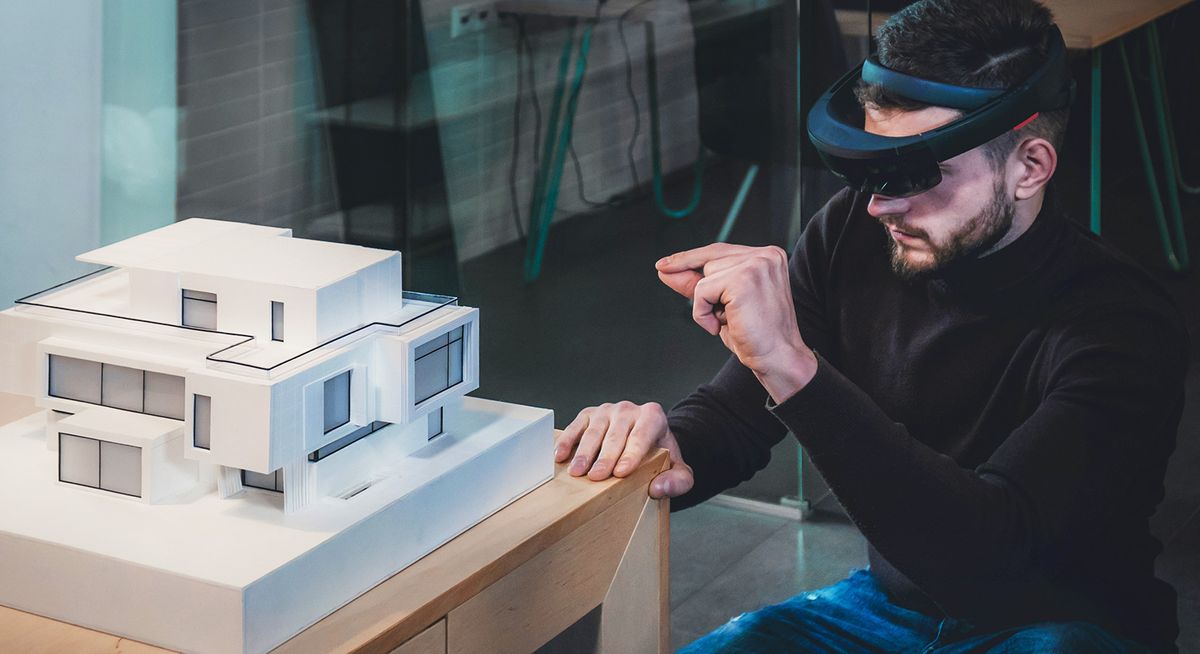
Augmented Reality (AR) is not just a futuristic concept; it's a practical tool that's transforming the web design landscape. By integrating AR technology into AI room design apps, users can now visualize their dream spaces in real-time, within the comfort of their own homes. This immersive experience allows for a more interactive and engaging design process, where ideas can be tested and refined on the spot.
Personalization is at the heart of this technological leap. AI-driven AR applications are capable of understanding and adapting to individual user preferences, offering design suggestions that resonate with each user's unique style and taste. The result is a tailored design experience that feels both intimate and revolutionary.
The seamless fusion of AI and AR technologies is not just enhancing user experience; it's redefining it.
To truly appreciate the impact of AR in web design, consider the following benefits:
- Real-time visualization of designs within the actual space
- Enhanced spatial awareness and more accurate design decisions
- A personalized journey through the design process, from conception to completion
As we continue to push the boundaries of what's possible in web design, it's clear that AR will play a pivotal role. It's time to step into the future and experience the unparalleled potential of AI-powered AR design. Embrace the change, and let's create spaces that are not just visually stunning but also deeply personal. Are you ready to revolutionize your user experience with AR?
Spatial Awareness and Interactive Design
The advent of AI in web design has brought about a paradigm shift in how we perceive and interact with digital spaces. AI's spatial awareness capabilities are transforming the user experience by enabling a more intuitive and interactive design process. With AI, designers can now anticipate user needs and tailor the digital environment to enhance engagement and satisfaction.
- 3D visualizations provide realistic depictions of spaces, allowing users to fully grasp the potential of their designs.
- Collaborative features in AI tools enable real-time collaboration, breaking down barriers that once hindered creative synergy.
- AI room design apps offer affordable and accessible tools, democratizing design and empowering a wider audience to bring their visions to life.
- The integration of eco-friendly options in design solutions reflects a growing commitment to sustainability in the digital realm.
The seamless integration of AI with augmented reality (AR) is not just a technological leap; it's a redefinition of the creative process. This synergy allows users to visualize their dream designs in real-time, revolutionizing the way we conceptualize and refine our spaces.
As we continue to explore the vast potential of AI in design, it's clear that these technologies are not just tools but partners in creation. They enhance requirements analysis, design, prototyping, and code generation, leading to innovation and efficiency in software development. The future of web and room design is here, and it's time to embrace it. Let's harness the power of AI and AR to create spaces that are not only visually stunning but also smart, sustainable, and seamlessly integrated with our lives.
The Future of AR in Web and Room Design
As we peer into the horizon of web and room design, Augmented Reality (AR) stands as a beacon of innovation, transforming the way users interact with digital spaces. AR's integration into AI room design apps is not just a fleeting trend; it's a paradigm shift that allows users to visualize their dream spaces in the comfort of their own homes. This immersive technology brings ideas to life, offering a new level of interactivity and personalization.
The future of AR in design is about creating experiences that are not only visually stunning but also incredibly intuitive. It's about crafting spaces that users can not only see but feel, bridging the gap between the digital and physical worlds.
Personalization is at the heart of this revolution. AI-driven design tools are evolving to understand individual preferences, ensuring that each recommendation is tailored to the user's unique style and taste. This is more than just convenience; it's about creating a design experience that resonates on a personal level, making every virtual environment a reflection of the user's vision.
The potential applications of AR in AI room design are vast, ranging from home redesigns to corporate event planning. Here's a glimpse into the versatility of AR-enabled design tools:
- Collaborative Hub: Facilitating seamless teamwork across digital platforms.
- Material and Texture Simulation: Offering realistic representations of design elements.
- Lighting Simulation: Allowing users to experiment with different lighting scenarios.
- Budget Management: Providing tools to keep projects within financial reach.
- Enhanced Measurement Tools: Ensuring precision in design planning.
AI insights drive real-time service adaptation in SaaS, offering predictive analytics for market trends and consumer behavior. Harness AI to thrive in the digital ecosystem. As we embrace these technologies, we invite you to join us in this journey. Let's revolutionize design together, creating spaces that inspire and delight.
Emerging Trends in AI Room Design Development
Innovative Features Shaping the Future of Design
As we stand on the brink of a new era in room design, AI is the catalyst for a suite of innovative features that are transforming how we envision and create spaces. 3D visualizations are no longer figments of the imagination but tangible previews of our design aspirations, offering a realistic depiction of potential outcomes. The integration of digital platforms streamlines the design-to-implementation process, allowing for a seamless transition from virtual to physical spaces.
The convergence of AI with design tools democratizes creativity, making professional-grade resources both affordable and accessible to a wider audience.
Collaborative features embedded within AI room design apps are breaking down barriers, fostering real-time cooperation across distances. This synergy is not just about convenience; it's a leap towards a more connected and creative community of designers. The list below highlights key areas where AI is making an indelible impact:
- Material and Texture Simulation: Experiment with an array of virtual materials to find the perfect match for your space.
- Lighting Simulation: Illuminate your designs with AI-powered lighting scenarios that mimic real-world conditions.
- Budget Management: Keep your finances in check with AI algorithms that optimize cost without compromising on style.
- Enhanced Measurement Tools: Achieve precision with advanced tools that simplify complex measurements.
As we embrace these advancements, we must also consider the sustainability of our creations. AI is instrumental in integrating eco-friendly options into our design solutions, ensuring that our spaces are not only beautiful but also kind to the planet. The future of design is here, and it beckons us to explore, innovate, and create with a conscience. Embrace the change, and let AI be your guide in crafting spaces that resonate with your ethos and aesthetic. Join the revolution—your next design could set the trend for the future.
AI's Role in Competitive Market Positioning
In the fiercely competitive landscape of web design, AI has emerged as a game-changer, offering businesses the tools to carve out a unique market position. Custom AI solutions can be the linchpin in achieving strategic alignment with business objectives, ensuring that every digital interaction is a step towards overarching goals.
Consider the following points when evaluating AI's role in your competitive strategy:
- Strategic Alignment: Ensuring AI solutions resonate with your business's core strategies.
- Data Specificity: Leveraging unique datasets for tailored AI processing.
- Competitive Differentiation: Gaining an edge with AI that sets you apart.
- Integration and Scalability: Choosing AI that grows with your business.
By focusing on these aspects, you not only streamline internal processes but also enhance customer interactions, making your brand unforgettable in the digital space.
AI's predictive capabilities extend beyond mere efficiency; they empower businesses to anticipate market trends and customer needs. Stas Sorokin, a Pro on Fiverr, exemplifies this by integrating AI applications in web development services, harnessing data to drive user engagement and satisfaction. The benefits are tangible: from sales forecasting to traffic optimization, AI tools offer a plethora of advantages that translate into real business value.
Monetization Strategies for AI Design Tools
The advent of AI in design has not only revolutionized the creative process but also opened up novel avenues for monetization. Businesses can leverage AI design tools to create new revenue streams by offering enhanced services that were previously unattainable. For instance, AI-powered analytics can inform subscription-based models, where users gain access to advanced design features and personalized insights.
- Subscription Services: Offer tiered subscription plans with varying levels of AI functionality.
- Freemium Models: Provide basic AI design tools for free, with premium features available for purchase.
- Licensing: Allow other businesses to use your AI design tools under a licensing agreement.
- Custom Solutions: Develop bespoke AI design services tailored to specific client needs.
By strategically positioning AI design tools within the market, companies can not only enhance their product offerings but also create sustainable revenue models.
Furthermore, integrating AI into marketing campaigns can lead to highly personalized customer experiences, driving engagement and sales. The key to successful monetization lies in understanding the unique value proposition that AI brings to the table and effectively communicating it to potential users. As the technology matures, we can expect to see even more innovative monetization strategies emerge, further cementing AI's role in the future of web and room design. Remember, the goal is to create a symbiotic relationship where both the provider and the user of AI design tools benefit from their interaction. Embrace the potential of AI and explore how it can transform your business model.
Conclusion
The integration of AI into web design marks a transformative era where predictive technologies are not just augmenting, but revolutionizing the user experience. By leveraging data-driven insights, personalization, and predictive analytics, AI is enabling designers to create dynamic, responsive, and intuitive designs that resonate with individual user preferences. The advancements in AI capabilities, such as image recognition and spatial awareness, further enhance the potential for AI to deliver tailored design solutions. As we embrace these intelligent systems, we unlock new levels of customer satisfaction and engagement, while simultaneously streamlining design processes. The future of web design is undeniably intertwined with AI, promising a more personalized, efficient, and creative digital landscape.
Frequently Asked Questions
How is AI transforming web design to enhance user experience?
AI is revolutionizing web design by predicting user preferences and creating dynamic, responsive designs. It analyzes user data to tailor the user experience, ensuring engagement and satisfaction through personalized design elements and interactions.
What role do predictive analytics play in web design?
Predictive analytics empower designers with insights into emerging trends and user behaviors. By forecasting demand and potential market shifts, AI-driven predictive models enable businesses to optimize their offerings and stay ahead competitively.
How does personalization in AI room design apps improve user experience?
AI room design apps leverage user data to understand individual preferences, offering tailored suggestions and recommendations. This personalization ensures that each user's design experience reflects their unique style and vision, enhancing satisfaction.
Can AI algorithms in cloud services simplify the design process?
Yes, integrating AI algorithms into cloud services allows for scalable, accessible, and efficient design processes. AI simplifies complex tasks, automates repetitive work, and provides intelligent insights, making design more intuitive and user-friendly.
What is the future of augmented reality in web and room design?
Augmented reality is set to add a new dimension to web and room design, offering enhanced user experiences through spatial awareness and interactive elements. It will allow users to visualize designs in real-time, revolutionizing the design process.
What are some emerging trends in AI-powered room design tools?
Emerging trends include advanced image recognition, spatial awareness, and personalized design recommendations. AI tools are focusing on creating intuitive, engaging user experiences and are being used to gain a competitive edge in the market.
Comments
Post a Comment