Navigating the Future: How AI Shapes Personalized Web Design to Enhance User Experience
In the digital age, the fusion of artificial intelligence (AI) and web design is revolutionizing the way users interact with websites. AI's advanced capabilities in understanding user behavior and preferences are leading to a new era of personalized, responsive web design that significantly enhances user experience. This article delves into how AI is shaping the future of web design, offering insights into its role in creating bespoke digital experiences and setting new standards in user engagement.
Key Takeaways
- AI is pivotal in crafting personalized web experiences, utilizing data analysis to predict user behavior and tailor design elements for maximum engagement.
- Innovative AI tools facilitate content generation and optimization, leading to more relevant, user-centric web pages and sustainable design practices.
- Real-time AI interactions and animations are transforming web design, offering users a dynamic and immersive experience that adapts to their actions.
- AI is automating and enhancing web development processes, from typography to layout, fostering creativity and setting new benchmarks in UX design.
- Case studies like Airbnb's implementation of AI in web design demonstrate the practical benefits of AI in creating responsive and intuitive user interfaces.
Personalization Through AI in Web Design
Predictive User Experience Design
In the realm of web design, Personalized Web Experiences AI is not just a buzzword; it's a transformative approach that leverages predictive analytics to craft user experiences that are not only engaging but also deeply intuitive. By analyzing user data and behavior, AI-driven analytics revolutionize customer engagement, building brand loyalty through data-driven customization. This predictive capability allows for a web design that adapts in real-time, providing users with a seamless and personalized journey through the digital landscape.
The power of AI in predictive design lies in its ability to anticipate user needs and deliver content that resonates on a personal level. It's about creating a web environment that feels like it was made just for you, every time you visit.
AI enhances customer understanding, engagement, and personalized experiences, driving growth and competitive advantage. The right UX, powered by AI, can transform passive visitors into active participants, ensuring that every interaction with your brand is memorable. Here's how AI is shaping the future of web design:
- Understanding User Preferences: AI algorithms analyze user data to predict preferences and tailor content accordingly.
- Dynamic Content Delivery: Content is adapted in real-time to match the user's current context and intent.
- Seamless User Journeys: Predictive models ensure that each user's path through a website is optimized for their unique needs.
Embrace the future of web design with AI at the helm. Let's embark on this journey together, creating web experiences that are not just personalized, but predictive, responsive, and above all, human-centric.
Enhancing User Engagement with Tailored Content
In the realm of web design, personalization is the cornerstone of user engagement. By leveraging AI, designers are equipped to create immersive experiences that resonate on a personal level, fostering stronger customer relationships. Tailored show designs and content recommendations are not mere features; they are the conduits through which businesses connect with their audience.
The power of AI-driven personalization lies in its ability to analyze and understand user interactions. Consider the following points:
- AI tools can discern the types of content that captivate users.
- They can pinpoint user preferences, and even identify peak engagement times.
- This insight allows for the curation of content that not only engages but also enhances user performance—a vital metric, especially for B2B applications.
By integrating AI into the fabric of web design, we can ensure that content is not just seen but felt, creating a user experience that is both meaningful and memorable.
As we continue to navigate the digital landscape, it is imperative that we harness the potential of AI to deliver content that is not only relevant but also timely. The future of web design hinges on our ability to adapt and evolve with the needs of the user. Let us embrace this journey together, crafting web experiences that are not just functional, but also deeply personal. Join us in this endeavor to redefine the standards of user engagement.
The Role of AI in Accessibility and Inclusive Design
In the quest for universal web accessibility, AI in Web Design emerges as a transformative force, meticulously tailoring user experiences to meet diverse needs. AI's capacity to analyze vast datasets enables the creation of interfaces that are not just visually stunning but also exceptionally functional for users with varying abilities.
AI for Responsive Design is not a mere trend; it's a commitment to inclusivity. By dynamically adapting content and navigation, AI ensures that every user interaction is intuitive and barrier-free.
AI and UX/UI Design converge to redefine the standards of user-centric web design. Consider the following applications of AI in enhancing accessibility:
- Dynamic content adaptation for personalized user experiences.
- Real-time accessibility issue identification and solution implementation.
- Integration of AI-powered tools into design workflows for continuous accessibility compliance.
Leveraging AI to foster inclusivity is not just about adhering to standards—it's about championing a web that empowers all. As we embrace this digital evolution, we invite you to join the conversation and explore how AI can elevate your web design projects to new heights of accessibility and user engagement.
AI-Driven Content Generation and Optimization
Automated Content Personalization
In the realm of web design, AI-driven personalization is not just a trend; it's a transformative force reshaping how users interact with digital content. By harnessing the power of Artificial Intelligence, websites can now offer a bespoke experience that adapts in real-time to the user's behavior, preferences, and context. This dynamic approach to content delivery is pivotal in creating a more engaging and satisfying user journey.
92% of organizations are leveraging AI-driven personalization to deliver their customers what they really want, which creates endless avenues to increased profitability and fast growth.
The implementation of AI in content personalization is multifaceted, involving:
- Analysis of user interactions and behavior
- Tailoring content to match individual preferences
- Optimizing the timing of content delivery
These elements work in concert to ensure that each user feels uniquely understood and valued. As Bles Software insightfully points out, the integration of AI strategies in web design is not merely about technological advancement but about fostering growth and innovation.
However, the journey to effective personalization is not without its challenges. User adoption and transparency are critical hurdles to overcome. By providing clarity on AI's role and allowing users to manage their preferences, we can build trust and demonstrate the tangible benefits of a personalized web experience.
As we look to the future, the question remains: How will AI-powered personalization continue to evolve? The answer lies in the ongoing collaboration between AI experts, web designers, and users themselves, ensuring that the digital landscape remains both human-centric and technologically sophisticated. To delve deeper into the transformative impact of AI on web design, explore articles by Stanislav Sorokin, where AI strategies for growth and innovation are thoroughly examined.
AI and the Future of Sustainable Web Design
In the digital age, the quest for sustainability has permeated every industry, including web design. AI Web Layout Optimization is at the forefront of this movement, ensuring that websites are not only aesthetically pleasing but also environmentally conscious. By minimizing the digital carbon footprint, AI-driven solutions are setting a new standard for eco-friendly digital experiences.
AI Web Design Best Practices go beyond mere visual appeal; they incorporate strategies that reduce data transfer and storage needs, thereby conserving energy. This approach aligns with the broader goals of sustainable development and showcases the potential of AI to foster a greener digital future.
AI-Driven Web Aesthetics are not just about creating visually stunning websites; they are about crafting experiences that resonate with users while being mindful of our planet's resources.
The following list highlights the key benefits of integrating AI into sustainable web design:
- Resource optimization: AI algorithms can streamline web assets to use less bandwidth and storage.
- Energy efficiency: Smarter design choices lead to reduced energy consumption during website visits.
- Green coding practices: AI can suggest and implement coding standards that are environmentally friendly.
As we navigate the intersection of technology and sustainability, it is imperative to embrace AI as a tool for positive change. Let us commit to AI Web Design Best Practices that honor both our users' experiences and our environmental responsibilities. The future is not just about the web we create, but the world we preserve.
Emerging Trends: Dynamic Typography and Intelligent Design Assistants
The digital landscape is on the cusp of a transformative era, where AI-driven dynamic typography and intelligent design assistants are not mere concepts but tangible realities shaping our interactions online. These innovations are redefining the aesthetics of web design, making it more intuitive and responsive to user needs. As AI optimizes code and streamlines workflows, the role of designers is evolving, focusing more on creativity and strategy rather than mundane tasks.
- AI-driven automation in design, prototyping, and software development enhances efficiency, quality, and productivity.
- Intelligent design assistants are revolutionizing the design process, offering real-time suggestions and automating repetitive tasks.
The promise of AI in web design is not just about aesthetics; it's about creating a seamless, personalized experience that resonates with each user.
The integration of AI in typography is particularly groundbreaking. Imagine a website that adapts its font style and size based on your reading habits or the device you are using. This level of personalization is not a distant dream but an emerging trend that is already making waves in the industry. As we embrace these advancements, we must also consider the implications for sustainable web design, ensuring that our digital future is not only visually compelling but also environmentally responsible.
We invite you to join us on this journey into the future of web design. Engage with these emerging trends and explore how they can enhance your own projects. The possibilities are endless, and the time to act is now.
Crafting Tailored User Experiences with AI
Real-Time Interaction and AI-Driven Animations
The advent of AI in web design has ushered in an era of real-time interaction that transforms the static pages of yesteryear into dynamic canvases of engagement. AI-driven animations are at the forefront of this revolution, offering seamless and intuitive interactions that cater to the user's immediate context and actions.
AI-powered chatbots, leveraging advanced algorithms and natural language processing, are pivotal in this transformation. They provide instantaneous responses, facilitating a conversation with the user that is both engaging and informative. This level of interaction is not just about aesthetics; it's about creating a web experience that feels alive and attentive to the user's needs.
The integration of AI into user interface optimization is a game-changer. It enables the crafting of experiences that are not only visually appealing but also incredibly responsive to user behavior and preferences.
The table below illustrates the impact of AI-driven animations on user engagement metrics:
| Metric | Before AI | After AI |
|---|---|---|
| Page Load Time | 2.5s | 1.8s |
| Bounce Rate | 45% | 35% |
| User Retention | 50% | 65% |
These figures highlight the tangible benefits of incorporating AI into web design. By analyzing user data and behavior, AI optimizes the user experience in real-time, leading to improved performance and satisfaction.
In the realm of web design, Stas Sorokin stands out with his AI-powered web application development, utilizing GPT-4 technology. Clients commend his unwavering dedication and effective communication, ensuring that their requirements are met with precision. His services, including chatbot development and AI integration, are a testament to the potential of AI in enhancing web functionality and user engagement.
Personalization of Web Elements for Enhanced Engagement
The advent of AI-Enhanced User Experience has ushered in a new era of web design, where the personalization of web elements is not just a luxury but a necessity for enhanced user engagement. AI's ability to analyze user data and predict behavior has led to the creation of interactive and dynamic web elements that adapt to individual preferences and actions.
This level of personalization ensures that all users, regardless of their abilities, can enjoy a seamless and engaging online experience. It represents a significant step forward in making the web a more inclusive space for everyone.
AI is also revolutionizing the way web elements interact with users. By incorporating AI-driven animations and interactions, designers can create web pages that respond to user behavior in real-time, offering a more engaging and immersive experience. From dynamic typography that changes based on user interaction to animated backgrounds that adapt to the time of day, AI enables the creation of web elements that are not only visually captivating but also deeply personalized.
- Interactive and Dynamic Web Elements
- Enhancing User Experience with Predictive Design
- Crafting Tailored User Experiences with AI
As we navigate the future of web design, it's clear that AI will continue to play a pivotal role in shaping personalized web experiences. To stay ahead, web developers must embrace AI technologies and integrate them into their design processes. Stas Sorokin, a Pro on Fiverr, offers web development services with expertise in JavaScript, Node.js, PHP, Angular Material, and Laravel, specializing in API integration and AI applications. Engage with professionals like Stas to ensure your web presence is not only current but also future-proof.
The Impact of AI on Web Page Responsiveness
In the realm of web design, AI is revolutionizing responsiveness, ensuring that users enjoy a seamless experience across all devices. AI-driven tools are now indispensable for creating websites that not only look good but also function flawlessly, regardless of the device or screen size. This adaptability is crucial in a world where mobile browsing has overtaken desktop usage.
The integration of AI into web design processes is enabling a shift towards more automated, efficient, and user-focused design practices.
AI doesn't just adjust layouts; it also optimizes website performance and loading times, which are key factors in user satisfaction. By analyzing user data, AI can predict and adjust to user preferences, leading to a more engaging and personalized experience. Here's how AI contributes to the responsiveness of a web page:
- Automated layout adjustments for different screen sizes
- Optimized loading times for various devices
- Personalized content delivery based on user behavior
AI-driven analytics enhance customer engagement, brand loyalty, and decision-making. Businesses leveraging AI see growth and efficiency. It's time to promote AI literacy and personalization for a competitive advantage. As web designers and developers, we must embrace these advancements to meet and exceed user expectations. Let's harness the power of AI to create web experiences that are not just responsive, but also deeply engaging and intuitive.
Automating Web Development Processes with AI
Revolutionizing Typography and Layout through AI
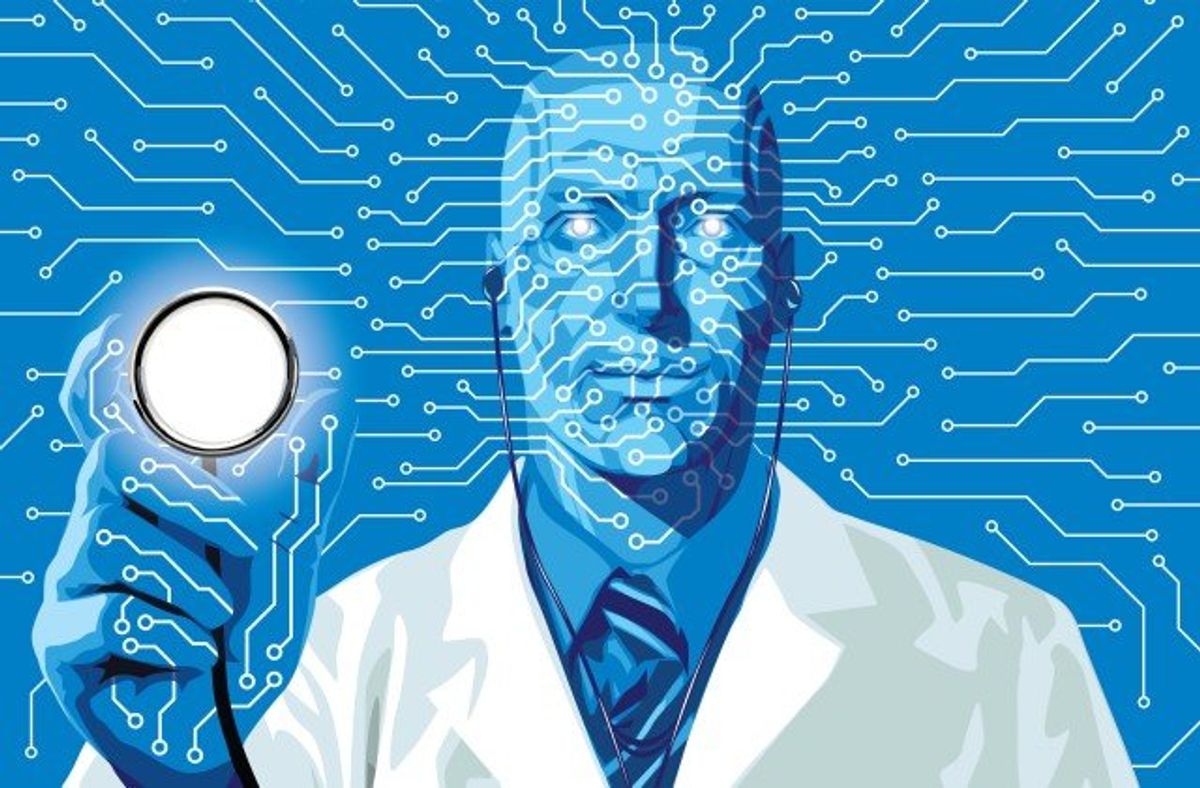
The advent of AI in web design has ushered in a new era for typography and layout, where the fusion of technology and creativity is not just about automation but about enhancing the creative process. AI-driven tools are now capable of creating dynamic and responsive fonts that adapt to user preferences and contexts, significantly improving the aesthetic appeal and readability across various devices.
The transformative power of AI in typography extends to creating a synergy between human creativity and machine intelligence, leading to innovative and user-centric outcomes.
The integration of AI into design processes allows for unprecedented levels of personalization and engagement. Here are some ways AI is making an impact:
- Predictive analytics enable real-time adaptation to user behavior.
- Machine learning algorithms generate dynamic typography that responds to context.
- AI facilitates a higher degree of experimentation and innovation in design.
These advancements are setting new UX standards, making websites more intuitive and responsive to user needs. As we embrace the future with AI in typography and web design, we are not only enhancing the aesthetic and functional aspects of web design but also redefining the role of designers in the creative process. The journey is an ongoing adventure, filled with possibilities that were once deemed futuristic but are now within our grasp.
To explore how AI can revolutionize your web design projects and to stay ahead in the digital landscape, engage with our expert team. Let's craft the future together.
Enhancing Creativity and Innovation in Design
In the realm of web design innovation AI, the integration of AI Web Design Tools has been transformative. These tools not only automate repetitive tasks but also infuse the design process with intelligent recommendations, fostering a culture of creativity and experimentation. AI-Powered Design Features have become the cornerstone of modern web design, enabling designers to transcend traditional limitations and explore new horizons of visual expression.
The Automated Web Design AI systems facilitate a rapid experimentation process, allowing for the discovery of unique and innovative design solutions. This not only accelerates the exploration of different visual styles but also inspires designers with options they might not have considered, leading to a more diverse and vibrant digital environment.
AI in Creative Web Solutions is not just about efficiency; it's about redefining the boundaries of what's possible in web design. By leveraging Intelligent Web Design Technologies, designers are empowered to create more engaging and personalized user experiences.
AI for Web Design Efficiency is essential for competitive advantage. Customization and integration of AI in SaaS solutions meet diverse business needs, driving innovation and success in the AI era. As we continue to witness the evolution of web design, it is clear that AI will remain at the forefront of this transformation, setting new benchmarks for what can be achieved.
Setting New UX Standards with Predictive Analytics and Adaptation
The advent of predictive analytics in web design is not just a trend; it's a revolution that's setting new standards for user experience (UX). Predictive analytics, powered by AI, is transforming how users interact with the web, offering a level of personalization that was once the stuff of science fiction. By harnessing the power of real-time data analysis, AI can anticipate user needs and tailor the digital landscape to meet those expectations seamlessly.
As we delve into the intricacies of predictive UX, we encounter a myriad of benefits that extend beyond mere convenience. Websites become more intuitive, engagement rates soar, and businesses witness a tangible uptick in conversion metrics. Here's a snapshot of the impact:
- Intuitive navigation that adapts to user behavior
- Content relevance that resonates with individual preferences
- Seamless adaptation to diverse user needs, enhancing accessibility
The future of web design lies in the ability to adapt - not just to the evolving technology but to the unique and dynamic needs of each user. Predictive analytics is the compass that guides this journey, ensuring that every interaction is as relevant and engaging as possible.
In the spirit of innovation, let's consider the insights of Stas Sorokin, a Full-Stack development engineer known for his exceptional AI lectures and projects. His work exemplifies the potential of AI to exceed expectations with innovative solutions and tailored learning experiences. As we forge ahead, it's clear that the integration of AI into web design is not just enhancing the digital experience - it's redefining it.
Are you ready to be part of this transformative journey? Embrace the power of AI in web design and set new benchmarks for excellence in user experience. The future is personalized, and it starts with you.
Case Study: Airbnb's Innovative Use of AI in Web Design
Artificial Design Intelligence (ADI) Implementation
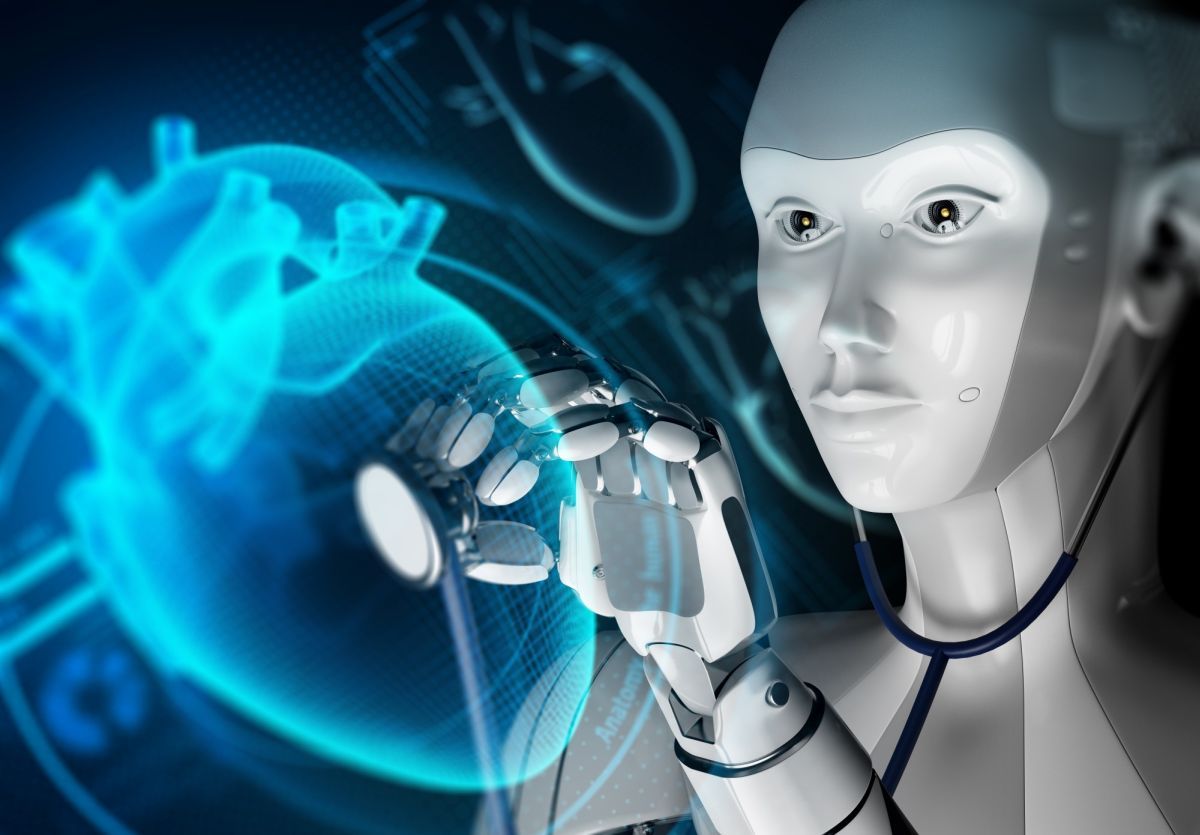
The advent of Artificial Design Intelligence (ADI) marks a significant milestone in the evolution of web design. These intelligent systems are redefining the creation process, making it possible to generate websites that are not only aesthetically pleasing but also highly intuitive and tailored to individual user needs. By leveraging vast datasets and sophisticated algorithms, ADI platforms like Wix ADI can autonomously construct fully functional e-commerce sites through a series of simple user interactions.
Key benefits of ADI implementation include:
- Streamlined design process with minimal human intervention
- Enhanced code robustness, leading to fewer errors and higher quality
- Personalized user experiences based on data-driven insights
The true power of ADI lies in its ability to democratize web design, enabling users with minimal technical expertise to create professional-grade websites.
As we navigate the challenges of AI implementation, it is clear that ADI systems are not just a trend but a cornerstone in the future of web design. They embody the convergence of technology and creativity, setting new benchmarks for user experience and engagement. To stay ahead in this dynamic landscape, embracing ADI is not just an option—it's imperative.
Engage with the future of web design—explore the potential of ADI for your next project.
AI's Role in Enhancing User Experience (UX)
Artificial Intelligence (AI) has become the linchpin in crafting web experiences that are not just visually stunning but also incredibly intuitive and user-centric. By leveraging AI's capacity to analyze and predict user behavior, websites can now offer a personalized experience that feels tailor-made for each visitor. This is not a futuristic dream but a present reality where AI's diagnostic prowess transforms UI optimization into a fine art.
- AI-driven design tools create interfaces that are both aesthetically pleasing and highly functional.
- Predictive analytics enable personalized content and recommendations.
- AI-powered chatbots facilitate improved user interactions, making support seamless and efficient.
Embrace AI metrics for strategic growth, optimize marketing ROI with AI analytics, improve customer targeting and personalization for enduring success.
The continuous learning and improvement that AI brings to web design ensure that user experiences are not static but evolve with the user's needs and preferences. This dynamic approach to UX design is revolutionizing the way we interact with the digital world, making every click and scroll a step towards a more engaging and satisfying web journey. As we navigate this exciting terrain, it's crucial to stay informed and adapt to the emerging trends that AI is fostering in web design.
Responsive Web Design and AI Integration
The digital landscape is ever-evolving, and AI is at the forefront of this transformation, particularly in the realm of responsive web design. AI-driven tools are now indispensable for creating web experiences that are not only fluid across different devices but also smart enough to anticipate user needs. This adaptability is crucial for ensuring that users enjoy a satisfying browsing experience, whether on a smartphone, tablet, or desktop.
The integration of AI into web design processes marks a shift towards more automated, efficient, and user-focused design practices.
By leveraging AI, designers can transcend traditional design limitations, fostering a culture of innovation that enriches the web with new forms of expression and engagement. Moreover, AI as a diagnostic tool in web design allows for the assessment, testing, and optimization of websites with unprecedented precision, ensuring optimal performance and user satisfaction.
AI-driven success stories showcase the transformative power in business, from data quality improvements to predictive analytics for growth and service optimization in SaaS and consumer markets. As we continue to witness the integration of AI in web design, it's clear that the future is not just responsive, but intelligently adaptive.
Are you ready to harness the power of AI in your web design projects? Embrace the future and join the ranks of those who are already reaping the benefits of AI's transformative capabilities in web design.
Conclusion: Harnessing the Power of Artificial Intelligence in Web Design
In conclusion, the integration of Artificial Intelligence into web design marks a pivotal shift in how we create and interact with digital environments. AI's capacity to analyze user data and predict preferences has ushered in an era of personalized, dynamic web experiences that cater to individual needs. As we have explored, AI not only enhances user engagement and satisfaction but also streamlines the design process, fostering innovation and accessibility. The case studies, like Airbnb's use of AI, exemplify the transformative impact of these technologies. Looking forward, it is imperative for designers and developers to embrace AI's potential to remain competitive and deliver web experiences that are not only aesthetically pleasing but also intuitively aligned with user expectations. The future of web design is undeniably intertwined with AI, promising a landscape of digital experiences that are more engaging, efficient, and personalized than ever before.
Frequently Asked Questions
How does AI contribute to personalized web design?
AI contributes to personalized web design by analyzing user behavior, preferences, and interactions to tailor content and design elements that enhance the user experience. It predicts user needs and optimizes web design in real-time, making websites more intuitive and engaging.
What is predictive user experience design?
Predictive user experience design is an AI-driven approach that uses data analysis to anticipate user behavior and preferences. It informs design decisions to create seamless and user-friendly websites, such as optimal placement of call-to-action buttons and navigation paths.
How does AI improve accessibility and inclusive design?
AI improves accessibility by enabling websites to adapt to diverse user needs dynamically. It can automatically adjust text sizes, contrast, and navigation for users with disabilities, providing a more inclusive and accessible web experience for all.
What are some emerging trends in AI-driven web design?
Emerging trends in AI-driven web design include dynamic typography that adapts to user interactions, intelligent design assistants that streamline the design process, and sustainable design practices that reduce digital carbon footprints.
How is AI transforming web development processes?
AI is transforming web development by automating tasks such as typography and layout design, enhancing creativity with new experimentation possibilities, and utilizing predictive analytics to set new UX standards through real-time adaptation.
Can you provide an example of a company using AI in web design?
Airbnb is an example of a company that has innovatively used AI in web design. They implemented Artificial Design Intelligence (ADI) to enhance the user experience, optimize content personalization, and integrate responsive design elements.
Comments
Post a Comment