Navigating the Future of Web Design: How AI Predicts User Preferences to Enhance Engagement
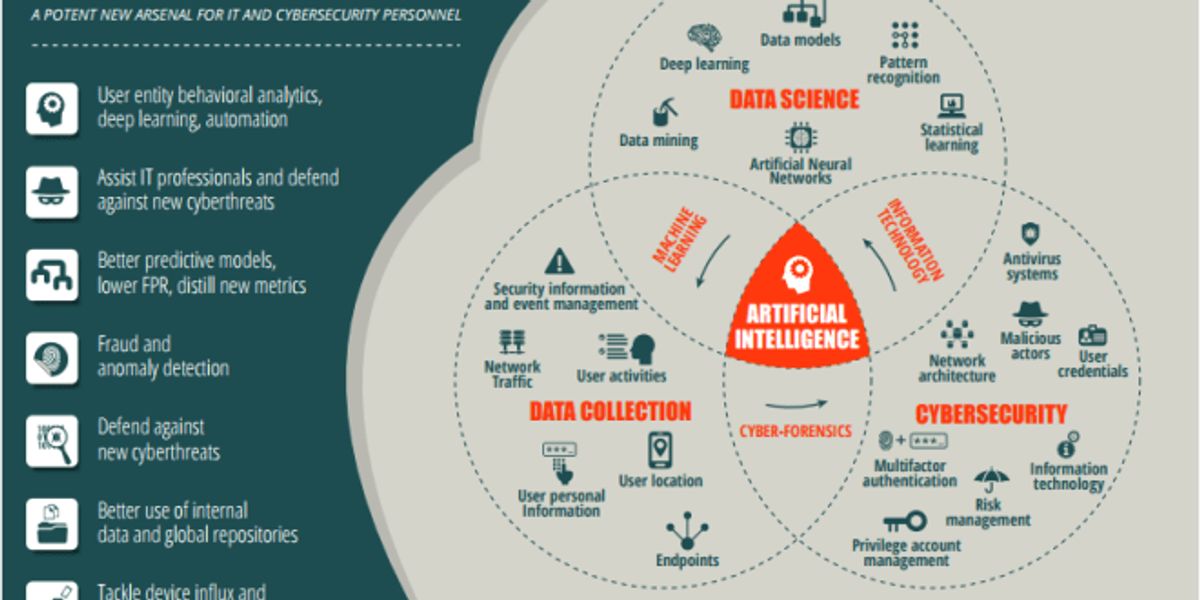
The digital landscape is continuously evolving, and with the advent of artificial intelligence (AI), the future of web design is taking a bold leap forward. AI's capacity to predict and adapt to user preferences is transforming how websites are created and interacted with, leading to unprecedented levels of user engagement and satisfaction. This article delves into the synergistic relationship between AI and web design, exploring how AI's predictive capabilities are being harnessed to deliver more personalized, efficient, and sustainable web experiences.
Key Takeaways
- AI-driven predictive design is revolutionizing user experience by tailoring web interfaces to individual user behaviors and preferences, enhancing engagement and intuitiveness.
- Real-time data analysis and predictive analytics enable websites to adapt on the fly, offering personalized content and recommendations that resonate with users and increase conversion rates.
- The integration of AI in web design promotes sustainable and efficient practices, improving environmental responsibility and accessibility while fostering innovation in typography and design.
- AI's expanding role in web design is setting new standards in creativity and user experience, with predictive analytics and machine learning shaping the future of digital interactions.
- As AI continues to understand user intent and actions more deeply, it will drive a paradigm shift in web engagement, predicting trends and creating more intuitive, engaging digital experiences.
The Role of AI in Predictive Web Design

Understanding User Behavior Through Data Analysis
In the realm of web design, the ability to predict and respond to user preferences is paramount. By analyzing historical data and user patterns, AI not only forecasts the user's journey but also tailors the website in real-time. This proactive approach is crucial for ensuring that users find what they seek swiftly, enhancing satisfaction and boosting conversion rates.
The essence of predictive web design lies in its capacity to adapt to the user, creating a seamless and intuitive experience.
To achieve this, AI employs a variety of techniques:
- Analysis of Past Interactions: AI landing pages leverage predictive analytics to dissect past user interactions and behaviors.
- Anticipation of User Needs: Predictive analytics enable AI to foresee user needs and preferences, often before they are explicitly stated.
The strategic implementation of AI in web design is not just about aesthetics; it's about creating a dynamic environment that resonates with the user at every click. As Bles Software aptly notes, it's about scalable growth and efficiency in a digital landscape that never stops evolving. Engage with us to explore how AI can transform your web presence.
Enhancing User Experience with Predictive Personalization
In the realm of web design, Personalized Web Experiences AI is revolutionizing the way users interact with digital platforms. By harnessing the power of predictive analytics, AI systems are now capable of understanding and anticipating user needs with remarkable accuracy. This foresight is not just a technological marvel; it's a cornerstone for creating deeply engaging and satisfying user experiences.
The seamless integration of predictive personalization into web design is not a distant dream but a tangible reality that's reshaping the digital landscape.
Here's how AI-driven personalization is transforming user engagement:
- By analyzing historical data and user patterns, AI predicts the user's journey, optimizing the website in real-time.
- Users are greeted with content and recommendations tailored to their preferences, which increases satisfaction and conversion rates.
- The dynamic nature of AI personalization means that as user behavior evolves, so does the website, maintaining relevance and engagement.
Predictive analytics empowers decision-makers with foresight, driving data-driven strategies for SaaS growth. AI-driven insights enhance customer engagement through personalized recommendations, fostering loyalty and strategic business growth. To stay ahead in the competitive digital arena, embracing AI's predictive capabilities is not just an option—it's a necessity. Engage with us to explore how AI can elevate your web design to new heights of user satisfaction and business success.
The Impact of Real-Time Data on Design Adaptability
In the ever-evolving landscape of web design, real-time data stands as a beacon of adaptability, guiding the digital experience to new heights. AI-driven platforms harness this data, offering a suite of features that redefine collaboration and streamline the design process. Automated version control, instantaneous feedback, and predictive design adjustments are not just futuristic concepts—they are the current tools at the fingertips of today's designers.
The transformative power of AI lies in its ability to learn from data, predict user preferences, and generate designs that push the envelope of creativity.
This continuous loop of feedback and adaptation ensures that web designs are not static but living entities that evolve with user interactions. Consider the following advantages of real-time data in design:
- Immediate Insights: Real-time analytics provide instant understanding of user behavior.
- Agile Responses: Designers can quickly adjust elements to enhance user experience.
- Predictive Adjustments: AI anticipates user needs, making proactive changes.
As we embrace these dynamic capabilities, we must also consider the balance between innovation and user privacy. The future of web design is not just about creating engaging experiences; it's about crafting them responsibly. Engage with us as we explore the depths of AI's role in predictive web design, and together, let's shape a future that is both engaging and ethical.
AI-Driven Personalization and User Engagement

Tailoring User Experience with Machine Learning
In the realm of web design, the AI-Enhanced User Experience is not just a buzzword; it's a transformative force. Machine Learning (ML) algorithms are at the forefront, meticulously analyzing user data to deliver a web experience that feels bespoke. Imagine a digital environment that adapts in real-time to your preferences, anticipates your needs, and presents information in the most accessible way possible.
By harnessing the predictive power of AI, web designers can create a seamless journey for each visitor, ensuring that every interaction is as intuitive as it is impactful.
The benefits of such a tailored approach are manifold:
- Increased engagement: Users are more likely to stay on a site that resonates with their preferences.
- Higher conversion rates: Personalized experiences lead to more effective calls to action.
- Enhanced satisfaction: When users feel understood, their satisfaction with the service skyrockets.
Freelancer Stas Sorokin offers expert AI lectures and projects, exceeding expectations with tailored, innovative, and practical solutions. Clients praise his deep technical expertise and personalized approach. As we look to the future, the integration of AI in web design is not just inevitable; it is essential for those who wish to lead in the digital space. Embrace the change, and let AI take your web design to the next level of user engagement.
The Balance of Personalization and User Privacy
In the realm of web design, the interplay between personalization and user privacy is a delicate dance of ethical considerations and technological prowess. As AI developer Stas receives positive reviews for his dedication to web application development, the industry as a whole must also commit to responsible personalization practices.
Hyper-personalization, while a beacon of engagement, demands a vigilant approach to privacy. Users should be empowered with transparent data collection policies and clear consent mechanisms. Here's a succinct list of ethical practices to consider:
- Transparent data collection policies
- Clear opt-in and opt-out mechanisms
- Continuous analysis of user feedback
- Regular updates to AI algorithms and systems
To effectively implement AI-driven personalization, websites must not only prioritize data privacy but also ensure that personalization enhances, rather than detracts from, the user experience.
The balance struck here is not merely a technical requirement but a cornerstone of trust between users and digital platforms. As we navigate this landscape, let us remember that the ultimate goal is to create web experiences that are not only engaging but also respectful of the individual's right to privacy. Engage with us as we explore the future of web design, where personalization and privacy coexist in harmony.
Predictive Analytics: The Future of User Interaction
The advent of predictive analytics in web design marks a transformative era where user interaction is no longer static or generic. By harnessing historical data, AI-driven analytics revolutionize customer engagement, offering a glimpse into the future where each user's experience is meticulously crafted to their preferences.
Predictive analytics powered by AI will play a crucial role in enhancing user experiences on the web.
This isn't just about responding to user actions; it's about anticipating them. Websites that leverage predictive analytics can adapt in real-time, presenting users with personalized recommendations and content that resonate on a deeper level. Here's how predictive analytics is shaping the future:
- Forecasting Trends: By analyzing past behaviors, AI predicts future actions, setting the stage for proactive design choices.
- Understanding User Behavior: Deep analysis of interaction patterns allows for a nuanced understanding of user needs.
- Real-Time Personalization: Dynamic content generation ensures that each visitor's experience is uniquely tailored.
The result? Enhanced user experience that not only satisfies but also delights, driving engagement and conversion rates skyward. As we look to the future, the role of predictive analytics in web design is clear: it is the cornerstone of a new digital landscape where user satisfaction is paramount, and business success is intricately linked to the ability to predict and adapt to user needs.
Sustainable and Efficient Web Design with AI
AI's Contribution to Environmentally Responsible Design
In the digital age, where every byte and pixel can have an environmental footprint, AI-powered design features are not just a luxury but a necessity for sustainable web design. AI is emerging as a key player in promoting practices that minimize the digital carbon footprint while maintaining high-quality user experiences. By optimizing website efficiency and reducing unnecessary data usage, AI contributes to more eco-friendly web solutions.
AI-driven web aesthetics are not only about visual appeal; they embody the ethos of responsible design by ensuring that every element serves a purpose, reducing waste and energy consumption.
The integration of AI in web design goes beyond aesthetics, touching upon the core of environmental responsibility:
- Resource Optimization: AI algorithms can streamline resource usage, ensuring that websites are lean and energy-efficient.
- Green Coding Practices: Encouraging the adoption of coding standards that prioritize sustainability.
- Data Minimization: Reducing the bloat of heavy images and scripts that contribute to larger digital footprints.
As we navigate the future of web design, it is imperative that we embrace AI-driven solutions that align with our environmental values. The call to action is clear: adopt AI-powered design features to not only enhance user engagement but also to protect our planet. Let's commit to a digital ecosystem that is both engaging and sustainable, for today and for future generations.
Improving Web Accessibility Through Intelligent Algorithms
In the realm of web design, AI Web Design Tools are revolutionizing the approach to accessibility. Automated Web Design AI systems are now capable of conducting comprehensive accessibility audits, pinpointing and rectifying issues that could hinder the user experience for individuals with disabilities. This not only streamlines the process but also ensures adherence to stringent web accessibility standards.
AI for Responsive Design is not just about visual aesthetics; it's about creating an inclusive digital environment. AI Web Layout Optimization is pivotal in adjusting web elements dynamically, catering to a diverse audience with varying needs. This adaptability is a cornerstone of Web Design Innovation AI.
The following list encapsulates AI Web Design Best Practices that are essential for enhancing accessibility:
- Utilizing AI to detect and fix common accessibility barriers such as poor contrast or missing alternative text.
- Implementing AI-driven solutions for dynamic content adaptation to accommodate individual user requirements.
- Leveraging AI for Web Design Efficiency to automate the audit process, saving time and resources while ensuring compliance.
AI's role in web design is not just about efficiency; it's about building a web that is open and accessible to all. As we continue to embrace AI in our design practices, we must also consider the ethical implications and strive to maintain a balance between personalization and user privacy. The future of web design is not only smart; it's empathetic and inclusive. Let's commit to this vision and make the web a welcoming space for everyone. Engage with us in this transformative journey and be part of the paradigm shift in digital accessibility.
Dynamic Typography and Design Assistants as Efficiency Enhancers
The advent of Intelligent Web Design Technologies is transforming the landscape of digital typography. AI-driven dynamic typography and intelligent design assistants are not just futuristic concepts; they are here, reshaping how we interact with digital content. These tools are not merely about aesthetics; they embody the synergy of design and efficiency, ensuring that every typographic element serves a purpose.
The integration of intelligent algorithms into typography is a game-changer. It allows for real-time adaptation of fonts and styles to match user preferences, enhancing readability and engagement.
By leveraging data-driven insights, intelligent design assistants can automate and optimize design choices, freeing up creative minds to focus on innovation. The result is a seamless user experience that feels both personalized and intuitive. Consider the following benefits of these technologies:
- Personalized user experiences with smart typography
- Time-saving automation in font design
- Data-driven optimization for superior user engagement
As we embrace these intelligent solutions, we must also consider the implications for the role of designers. These developments will not only enhance the aesthetic and functional aspects of web design but also redefine the role of designers in the creative process. The future beckons with the promise of web designs that are not only visually stunning but also incredibly user-centric. Embrace the change, and let's navigate this exciting future together.
The Evolution of AI in Web Design and Typography
Innovative Trends Shaped by AI-Enabled Analysis
The transformative power of AI lies in its ability to learn from data, predict user preferences, and generate designs that push the envelope of creativity. AI revolutionizes software development with enhanced requirements analysis, design prototyping, and code generation, improving speed, accuracy, and efficiency throughout the development lifecycle.
With AI's ability to analyze vast datasets and understand complex patterns, it offers unprecedented opportunities for personalization, accessibility, and user engagement in web design. This transformative technology is setting the stage for a future where digital experiences are more intuitive, engaging, and tailored to the individual needs of users.
Looking ahead, this approach is expected to become even more sophisticated, understanding user preferences on a deeper level. Predictive analytics, real-time personalization, and the integration of AI with augmented reality (AR) are likely to be key trends shaping the future of web design.
But the key here is to use AI and personalize your content without the audience finding out. Obvious AI integration makes your audience feel like you don’t care enough about them to manually intervene. As we embrace these innovations, designers and developers must maintain a delicate balance between the efficiency of AI and the personal touch that users cherish.
Stay ahead of the curve by leveraging AI to forecast trends and market insights, allowing you to engage in certain trends before they rise to considerable popularity. Share this article to spread the knowledge and ensure that the web design community is prepared for the exciting changes AI is bringing to our field.
The Synergy of AI and Creativity in Design
The advent of AI in Creative Web Solutions marks a pivotal moment in the evolution of web design. AI empowers designers to transcend traditional design limitations, fostering a culture of innovation and experimentation that enriches the web with new forms of expression and engagement. This synergy is not just about efficiency; it's about expanding the canvas of creativity.
The transformative power of AI lies in its ability to learn from data, predict user preferences, and generate designs that push the envelope of creativity.
The harmonious collaboration between human creativity and AI’s data-driven insights is pivotal. Designers are now equipped to explore uncharted territories of innovation, leading to groundbreaking advancements in user interaction. The call to action is clear: Embrace AI, harness its potential, and lead the charge in creating intuitive, personalized, and impactful user experiences.
KEY TAKEAWAYS FOR DESIGNERS AND DEVELOPERS:
- Acquire new skills and perspectives to effectively leverage AI.
- Foster a culture of innovation and experimentation.
- Enhance real-time collaboration in design teams.
The future of UX/UI design is here, and it’s AI-powered. As we stand on the brink of a new era, the fusion of AI with design principles heralds a future where creativity meets efficiency. The paradigm shift in digital engagement and interaction is upon us, and it beckons us to adapt, innovate, and thrive.
Setting New Standards in User Experience with AI
The integration of AI in Web Design is not merely a trend; it's a paradigm shift that is redefining the standards of user experience (UX). AI's sophisticated algorithms are now capable of understanding and adapting to user behavior in real-time, offering a level of personalization that was once a distant dream.
AI and UX/UI Design are converging to create digital environments that are not only functionally rich but also emotionally resonant. This synergy is the cornerstone of the next generation of web design, where every interaction is an opportunity to delight and retain users.
By leveraging AI, designers can now anticipate user needs and craft experiences that are both intuitive and memorable. The result is a digital landscape where users feel seen, heard, and valued—where their preferences shape the very fabric of the web. This is the future of engagement: a world where AI empowers designers to build experiences that are deeply personalized and inherently engaging.
Call to Action: Embrace the transformative power of AI in your web design projects. Discover how AI can elevate your user experience to new heights. Engage with experts like Stas Sorokin, a Pro on Fiverr, who specializes in web development and AI applications, to harness the full potential of AI-driven design.
The Future Landscape of Web Design: AI's Expanding Influence

Predicting and Shaping Design Trends with AI
The advent of AI in web design has ushered in an era where predictive analytics is not just a buzzword but a tangible tool that shapes the future of user interfaces. By sifting through immense datasets, AI algorithms can forecast design trends that resonate with users even before they become mainstream. This foresight enables designers to craft experiences that are both innovative and deeply relevant to the user's evolving preferences.
The transformative power of AI lies in its ability to learn from data, predict user preferences, and generate designs that push the envelope of creativity.
Designers equipped with AI tools are now at the forefront of the digital landscape, capable of tailoring experiences that are not only aesthetically pleasing but also functionally superior. Here's how AI is revolutionizing the design process:
- Data-Driven Insights: AI analyzes user interactions to identify patterns that inform design enhancements.
- Personalization at Scale: Machine learning enables the customization of design elements to individual user preferences.
- Efficiency in Creativity: AI automates mundane tasks, allowing designers to focus on creative innovation.
As AI continues to evolve, the role of the designer is being redefined. No longer confined to traditional design paradigms, designers are now collaborators with AI, harnessing its predictive capabilities to create experiences that are not just reactive but proactive in meeting user needs. The future of web design is one where AI not only predicts but also inspires new design trends, setting a new standard for digital engagement.
We invite you to join us in exploring the depths of AI's impact on web design. Engage with us, share your thoughts, and be part of the conversation that is shaping the digital future. Your insights are invaluable as we navigate this exciting journey together.
AI's Deepening Understanding of User Intent and Actions
As we delve into the intricacies of web design, it becomes evident that AI's prowess in understanding user intent and actions is not just a futuristic concept, but a present-day reality. AI is transforming market trend analysis, consumer behavior prediction, and strategic decision-making. Companies leveraging AI insights experience growth and efficiency, leading to a competitive edge in the data-driven era.
- Analysis of Past Interactions: AI systems meticulously analyze past user interactions, crafting a predictive model that anticipates future preferences with remarkable accuracy.
- Anticipation of User Needs: By harnessing the power of predictive analytics, AI proactively addresses user needs, often before they surface to the conscious mind of the user.
The seamless integration of AI into web design is not merely about enhancing aesthetics or functionality; it is about creating a deeply personalized experience that resonates with the user on an individual level.
In 2024, AI-driven personalization has transcended basic recommendations. Websites now employ sophisticated algorithms to not only understand but also predict user intent, crafting a user journey that is as intuitive as it is engaging. This marks a significant shift in digital engagement, setting new benchmarks for user interaction. As we continue to witness AI's expanding influence, it is imperative for designers and strategists to embrace this evolution, ensuring that the digital experiences we create are not only engaging but also deeply resonant with our audience's evolving needs.
The Paradigm Shift in Digital Engagement and Interaction
The integration of AI into web design is not just a trend; it's a revolution that's reshaping how we interact with the digital world. AI-driven analytics enhance customer engagement, brand loyalty, and decision-making, marking a significant shift in the digital landscape. Businesses that embrace AI's capabilities are witnessing a transformation in user interaction, with personalized experiences becoming the cornerstone of digital strategy.
The future of web design lies in the ability to predict and respond to user needs in real time, creating a seamless and intuitive user journey.
This paradigm shift is characterized by several key developments:
- Immersive and interactive experiences that captivate users, making them active participants in the narrative.
- Real-time adaptability, where AI algorithms analyze user inputs and evolve the experience instantaneously.
- A focus on personalization, where AI's deep learning capabilities offer tailored content that resonates with individual preferences.
As we navigate this new era, it's crucial for designers and businesses to stay ahead of the curve, leveraging AI to create not just websites, but experiences that are engaging, memorable, and deeply connected to the user's intent. The call to action is clear: harness the power of AI to redefine the standards of user engagement and interaction in the digital realm.
Conclusion
In summary, the integration of AI into web design heralds a transformative era where user preferences are not just met but anticipated, creating a digital landscape that is both intuitive and engaging. AI's predictive capabilities, powered by the analysis of extensive user data, are crafting a future where websites are not static entities but dynamic participants in user interaction. This shift towards AI-driven personalization and real-time adaptation is not merely a trend but a paradigm change that enhances user satisfaction, engagement, and ultimately, the success of online platforms. As we continue to explore the vast potential of AI in web design, it is imperative to foster innovation while maintaining a focus on creating sustainable, accessible, and deeply personalized user experiences. The future of web design, shaped by AI, promises a digital world that is more responsive to the individual needs and preferences of users, setting a new standard for user experience in the ever-evolving realm of the internet.
Frequently Asked Questions
How does AI predict user behavior and preferences in web design?
AI predicts user behavior and preferences by analyzing vast amounts of user data to identify patterns and trends. This information informs design decisions, leading to more intuitive and user-friendly websites that can dynamically adapt to user needs.
What are the benefits of predictive personalization in web design?
Predictive personalization improves user satisfaction by offering a tailored experience that anticipates user actions and preferences. This leads to enhanced engagement, increased conversion rates, and a more effective website in achieving business objectives.
Can AI enhance user privacy while personalizing content?
Yes, AI can balance personalization and user privacy by using anonymized data and ensuring compliance with privacy regulations. The key is to personalize content without making users feel like their privacy is being compromised.
What role does AI play in sustainable and efficient web design?
AI contributes to sustainable web design by optimizing design elements for energy efficiency and reducing digital carbon footprints. It also improves efficiency by automating design processes and enabling dynamic typography and intelligent design assistants.
How will AI shape the future of web design and typography?
AI will drive innovation in web design and typography by enabling more personalized, accessible, and engaging digital experiences. It will lead to a paradigm shift in digital engagement, with websites becoming more intuitive and responsive to user needs.
Can AI predict and shape future web design trends?
Yes, AI can analyze data to identify emerging trends, helping designers stay ahead with innovative and relevant design solutions. It will play a crucial role in predicting user needs and setting new standards in user experience.
Comments
Post a Comment