Predictive Personalization: How AI Shapes Web Design for Enhanced User Experiences
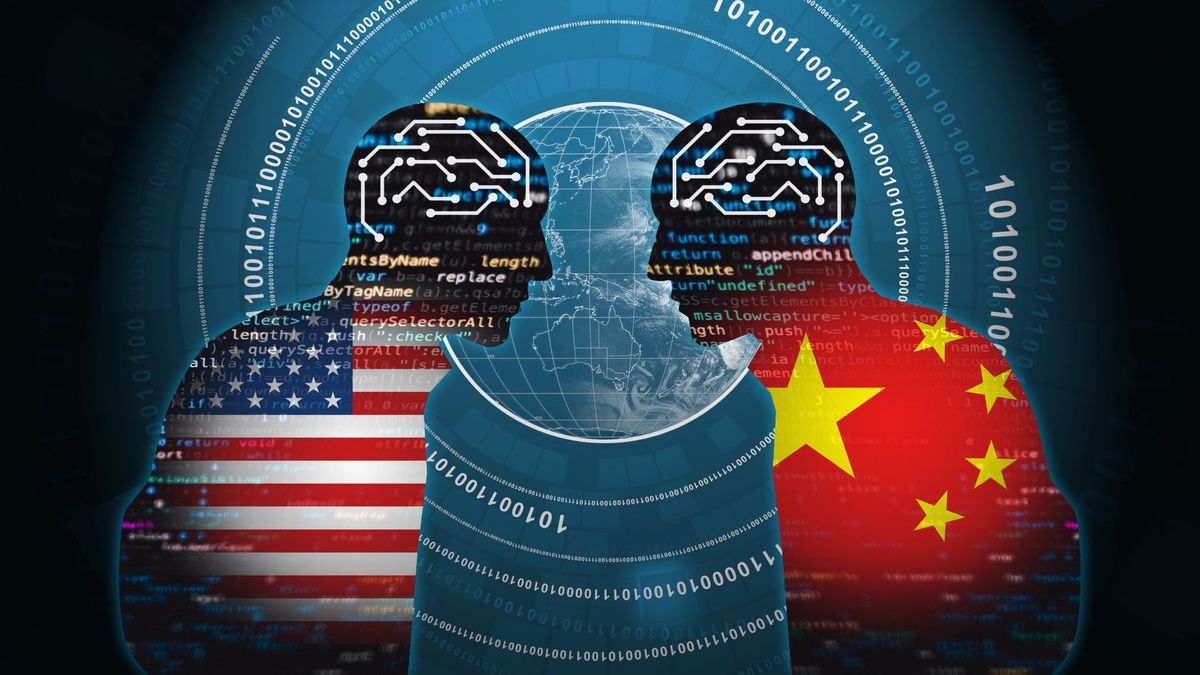
In the digital age, the fusion of artificial intelligence (AI) and web design is forging a new frontier in predictive personalization. This article delves into how AI is being leveraged to craft web experiences that are not only aesthetically pleasing but also intuitively aligned with individual user needs. By harnessing the power of AI, web design is evolving to offer unparalleled levels of personalization, accessibility, and user engagement, ultimately enhancing the overall user experience.
Key Takeaways
- AI-driven predictive analytics are revolutionizing web design by offering real-time personalization, enhancing user satisfaction, and driving business outcomes.
- Machine learning algorithms are instrumental in creating precise user personas and personalized experiences, leading to higher user engagement and satisfaction.
- Advancements in AI-driven typography and layout adaptation are setting new standards for inclusivity and personalized readability in web design.
- AI is fostering a new era of creativity and innovation in web design, enabling designers to experiment with dynamic, responsive, and intuitive designs.
- AI-powered personalization is shaping the future of SEO strategies and web design, with a focus on personalized user experiences and predicting e-commerce trends.
The Convergence of AI and Web Design for Predictive Personalization

Real-time User Data Analysis for Enhanced Personalization
In the realm of web design, the integration of AI for real-time user data analysis is revolutionizing the way we understand and cater to individual preferences. The agility of AI to dissect and interpret user interactions paves the way for a hyper-personalized web experience. By meticulously analyzing user behavior patterns and preferences, AI-driven systems can dynamically adjust web elements to align with the unique needs of each visitor.
- Real-time analysis of user data allows for the identification of emerging trends and preferences.
- AI algorithms can predict future behaviors, enabling proactive personalization.
- The result is a seamless and intuitive user experience that feels tailor-made.
The promise of AI in web design is not just about adapting to user preferences; it's about anticipating them, creating a web environment that feels effortlessly intuitive.
This predictive personalization is not a distant dream but a rapidly evolving reality. As machine learning algorithms become more sophisticated, the potential for creating deeply engaging and satisfying web experiences grows exponentially. The implications for user satisfaction and business outcomes are profound, with personalized experiences leading to increased engagement and conversion rates. Embrace the power of AI in your web design strategy and witness the transformation in user engagement and business success.
Predictive Analytics: A Catalyst for User-Centric Design
In the realm of web design, predictive analytics stands as a beacon of innovation, guiding the creation of user-centric experiences that resonate on a personal level. By harnessing the power of AI to analyze and interpret real-time user data, designers are now equipped to craft web environments that not only respond to but also anticipate the needs and preferences of users.
Predictive personalization is transforming the landscape of user experience, making every interaction with the web a reflection of the individual's unique digital footprint.
This profound level of personalization is achieved through the meticulous analysis of user behavior patterns, which are then translated into actionable design elements. Consider the following benefits:
- Tailored content recommendations that align with user interests
- Dynamic interface adjustments to suit individual browsing habits
- Proactive support features that address potential user queries
The implications of such personalized experiences are vast, extending beyond user satisfaction to foster deeper engagement and heightened conversion rates. As Bles Software aptly notes, AI's role in scalable growth and innovation is pivotal, particularly in the context of predictive analytics where the anticipation of user actions becomes a powerful tool for strategic business outcomes.
The Impact of AI on User Experience and Business Outcomes
The integration of AI into web design transcends the aesthetic, profoundly influencing both user experience and business outcomes. AI's predictive capabilities enable a nuanced understanding of user behavior, leading to web environments that are not only visually appealing but also deeply resonant with individual users.
The synergy between AI and web design is crafting digital experiences that are not only personalized but also predictive, anticipating user needs and preferences to deliver a seamless and satisfying online journey.
By leveraging machine learning algorithms, websites can dynamically adapt to user interactions, creating a feedback loop that continuously refines the user experience. This heightened level of personalization is not just about user satisfaction—it's a strategic business advantage. The following points illustrate the multifaceted impact of AI on web design:
- Enhanced user engagement through tailored content and recommendations
- Increased conversion rates by predicting and responding to user needs
- Improved customer retention with personalized user journeys
- Streamlined user interfaces that adapt to individual preferences
The transformative power of AI in web design is setting a new benchmark for digital experiences. As designers and developers, it's imperative to embrace this technology to stay at the forefront of innovation and maintain a competitive edge. Engage with AI in your web projects and witness the transformation in user experience and business success. Don't just design—predict, personalize, and prosper.
The Role of Machine Learning in Crafting User Personas and Personalized Experiences
Harnessing User Behavior Patterns for Tailored Design
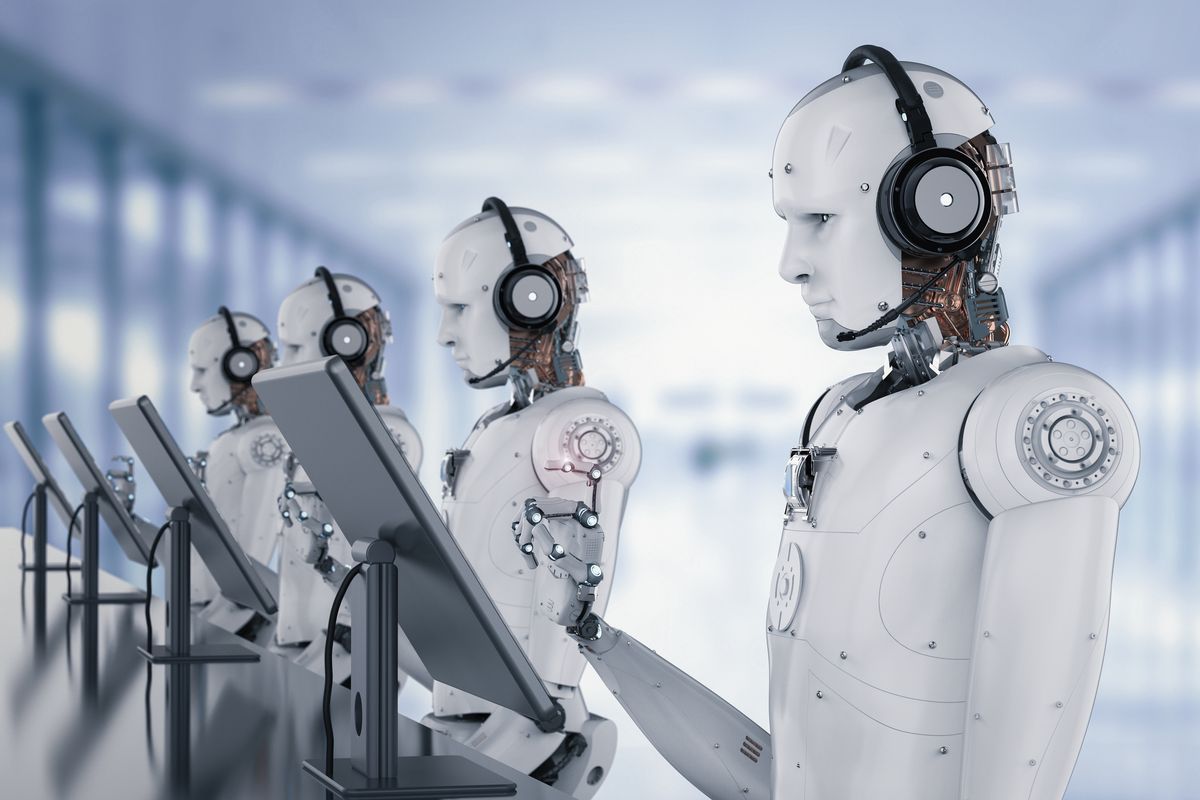
In the realm of web design, personalization is the cornerstone of user satisfaction. By leveraging machine learning (ML) algorithms, designers can now interpret vast datasets to discern user behavior patterns. This analysis is not merely about understanding past interactions; it's about predicting future actions and preferences, thereby crafting a web experience that feels bespoke to each visitor.
The process of creating personalized experiences involves meticulous monitoring and analysis. It's a continuous loop of gathering user data, interpreting it, and then applying the insights to refine the design. Here's a simplified breakdown of this cycle:
- Data Collection: Accumulate user data through various touchpoints.
- Analysis: Utilize ML algorithms to identify behavior patterns and preferences.
- Application: Implement design changes based on these insights to enhance user experience.
The ultimate goal is to create a web environment so intuitive and user-centric that it not only meets but anticipates the needs of the user.
This predictive approach to design not only elevates the user experience but also serves as a strategic asset for businesses. It's a dynamic process that evolves with the user, ensuring that the design remains relevant and engaging. As we continue to embrace the power of AI in web design, we unlock new possibilities for innovation and creativity, setting the stage for a future where web experiences are not just personalized but predictive.
Remember, customization in AI SaaS is crucial for competitive advantage. Tailored solutions meet unique business needs, driving innovation and success in a dynamic market. Embrace this transformative journey and witness the remarkable impact on both user satisfaction and business outcomes.
Enhancing User Satisfaction through Personalized Web Elements
The integration of AI into web design has revolutionized the way users interact with online platforms. Personalized web elements, crafted through the meticulous analysis of user data, have become pivotal in enhancing user satisfaction. By adapting to individual preferences and behaviors, websites can offer a more intuitive and engaging experience.
- Real-time Adaptation: Websites can now modify content and design in real time, responding to user interactions.
- Predictive Suggestions: AI algorithms predict user needs, offering relevant content and services.
- Visual Customization: Users see a layout that suits their preferences, from color schemes to font sizes.
The seamless fusion of user data and AI-driven design elements not only captivates but also retains user attention, fostering a sense of loyalty and increasing the likelihood of return visits.
The implications for business are profound. Enhanced user satisfaction leads to higher engagement rates, which in turn can result in increased conversion rates and revenue. As web design continues to evolve, the focus on personalized user experiences will only intensify, making it an indispensable aspect of successful online strategies. Embrace the power of AI in your web design to stay ahead of the curve and deliver unforgettable user experiences. Let's harness the potential of predictive personalization together.
The Significance of Precise User Personas in Web Design
In the realm of web design, the creation of precise user personas is not just a task; it's an art form empowered by the AI-driven analytics revolutionize customer engagement. These personas, sculpted from the rich data mines of user interactions, are the bedrock of personalized experiences. They guide designers in crafting interfaces that resonate on a personal level, turning casual visitors into loyal users.
- User Preferences: AI identifies likes and dislikes.
- Behavior Patterns: Machine learning deciphers user habits.
- Personalized Content: Algorithms tailor web elements.
The strategic investment in AI-Enhanced SaaS Services unlocks growth potential and operational efficiency, making the meticulous development of user personas a cornerstone of successful web design.
By leveraging machine learning, designers can predict and respond to user needs with unprecedented accuracy. This predictive approach is a leap forward in user-centric design, ensuring that every interaction is as intuitive as it is impactful. As we harness the power of AI to refine user personas, we pave the way for web experiences that are not only aesthetically pleasing but also deeply engaging and satisfying.
Advancements in AI-Driven Typography and Layout Adaptation

Dynamic Typography Personalization for Improved Readability
The advent of AI-driven dynamic typography is transforming the way we interact with digital content. By analyzing user data and behavior, AI systems can now adjust font sizes, styles, and layouts in real-time, tailoring the reading experience to individual preferences and needs. This not only enhances the aesthetic appeal of a website but also significantly improves usability and accessibility.
The seamless integration of AI into typography is not just a step forward in design; it's a leap towards creating a more inclusive and personalized web.
For users with visual impairments, AI's ability to modify typography ensures that everyone has equal access to information. This smart typography is a clear indication of how AI is fostering an inclusive web environment. Moreover, the efficiency brought by AI in typography design saves time and allows for data-driven decisions that optimize the user experience.
Imagine a web that adapts to you, changing its typographic presentation not just for aesthetics, but to create a comfortable and engaging reading environment. This is the future that AI is crafting today, and it's a future where design meets the individual needs of each user, making every interaction with the web a unique experience.
Inclusive Design: AI as an Enabler for Accessibility
In the quest to create a digital environment that embraces every user, AI emerges as a pivotal force in driving accessibility. It's not just about adhering to standards; it's about fostering an online space where inclusivity is woven into the very fabric of web design.
AI-driven tools are revolutionizing the landscape of web accessibility, offering more than just compliance. They provide dynamic solutions that adapt content in real-time, catering to the diverse needs of users with disabilities. Imagine a website that intuitively adjusts text size for those with visual impairments or simplifies navigation for individuals with motor challenges—this is the power of AI in action.
By integrating AI, we're not only optimizing for accessibility; we're championing a digital world that is truly for all.
The benefits of AI in enhancing web accessibility are manifold:
- Automated identification and resolution of common accessibility issues.
- Dynamic content adaptation for a personalized user experience.
- Streamlined compliance with web accessibility standards and guidelines.
As we continue to harness the potential of AI, we must remain vigilant in ensuring that these advancements lead to tangible improvements in the lives of users. The AI revolution in web design is not just a technical evolution—it's a step towards a more inclusive and equitable digital future. Let's embrace this journey together, creating web experiences that are not only functional and beautiful but also universally accessible.
The Evolution of Font Design through AI Integration
The integration of AI into typography is revolutionizing the way we interact with text online. Dynamic and responsive fonts now cater to user preferences and contexts, enhancing both aesthetic appeal and readability. This is not just a step forward in design; it's a leap towards more personalized and engaging user experiences.
Machine learning algorithms have empowered designers to create custom fonts that are unique and functional, transcending the limitations of traditional typography. These tools simplify font selection and pairing, aiding designers in crafting compositions that are visually harmonious.
The transformative power of AI in typography extends beyond efficiency. It's about fostering a synergy between human creativity and machine intelligence, producing outcomes that are innovative and user-centric.
The future of typography, shaped by AI, is not a distant dream but an unfolding reality. Websites that adjust typography based on individual reading habits or context are already on the horizon, promising a more tailored browsing experience. As we embrace this future, the potential for smart typography to personalize user experiences is immense.
Unlock the potential of predictive analytics for personalized customer experiences, AI-enhanced recommendations, and data-driven growth strategies with AI integration services starting at $175.
AI as a Catalyst for Creativity and Innovation in Web Design
AI-Enhanced Design Processes and Experimentation
The integration of AI in Web Design is revolutionizing the creative process, enabling a synergy between human ingenuity and machine efficiency. AI-Powered Design Features are not just about automating the mundane; they are about unlocking new horizons for Web Design Innovation AI.
- Speed and Efficiency: AI for Web Design Efficiency takes over repetitive tasks, allowing designers to focus on creative exploration.
- Creativity Enhancements: AI-Driven Web Aesthetics push the envelope, offering a plethora of design options previously unattainable.
- Collaborative Synergy: Automated Web Design AI tools facilitate seamless team collaboration, ensuring a cohesive design journey.
AI empowers designers to transcend traditional design limitations, fostering a culture of innovation and experimentation that enriches the web with new forms of expression and engagement.
AI-Enhanced User Experience is not just a buzzword; it's a tangible shift in how designers approach their craft. By embracing AI, designers can experiment with novel design concepts, rapidly iterating and refining ideas. This leads to a more dynamic and personalized user experience, setting new benchmarks for what is possible in web design. The call to action is clear: harness the power of AI to elevate your web design projects to unprecedented levels of sophistication and user engagement.
Setting New Standards for Intuitive and Responsive Websites
The advent of AI Web Design Tools has marked a significant shift in how we approach the creation of digital spaces. These intelligent systems are not just tools; they are partners in design, offering insights that lead to more intuitive and responsive web experiences. AI for Responsive Design is not a mere trend; it's a transformative force that is redefining the benchmarks for user interaction and satisfaction.
AI Web Layout Optimization is at the forefront of this revolution, ensuring that every user encounter is as seamless as it is memorable. By leveraging AI Web Design Best Practices, designers are able to craft websites that are not only aesthetically pleasing but also highly functional and adaptive to the diverse needs of users.
The role of AI in Creative Web Solutions extends beyond mere aesthetics. It encompasses the entire user journey, from the initial engagement to the final interaction. Intelligent Web Design Technologies are the architects of this journey, constructing pathways that are not only visually captivating but also incredibly user-friendly. Embrace AI metrics for strategic growth, optimize marketing ROI with AI analytics, improve customer targeting and personalization for enduring success.
- AI-driven tools and platforms are revolutionizing typography and web design.
- Predictive analytics and real-time adaptation set new UX standards.
- AI enhances creativity, allowing for higher experimentation and innovation.
The call to action is clear: harness the power of AI to elevate your web design and ensure that your digital presence resonates with your audience on a deeper level. The future is here, and it's intuitive, responsive, and undeniably smart.
The Intersection of AI, Creativity, and User Engagement
The symbiosis of AI and UX/UI Design is redefining the creative landscape of web design. AI's predictive capabilities are not just about anticipating user needs; they are about crafting experiences that resonate on a personal level, fostering a deeper connection between the user and the digital interface.
- AI-driven tools and platforms are revolutionizing typography and web design.
- The integration of AI enhances creativity, allowing for higher experimentation.
- Predictive analytics and real-time adaptation set new standards for UX.
The transformative power of AI lies in its ability to learn from data, predict user preferences, and generate designs that push the envelope of creativity.
As we stand on the brink of a new era, the fusion of AI with design principles heralds a future where creativity meets efficiency. This convergence leads to groundbreaking advancements in user engagement, setting the stage for a digital world that is more intuitive, responsive, and personalized than ever before. Embrace the future of web design with AI; explore our services at Stas4000, where we offer comprehensive AI development, including AI tools and the chatGPT chatbot, alongside a suite of additional services in graphics, marketing, writing, and programming.
Implications of AI-Powered Personalization for SEO and Future Web Strategies
Machine Learning Algorithms and Personalized User Experiences
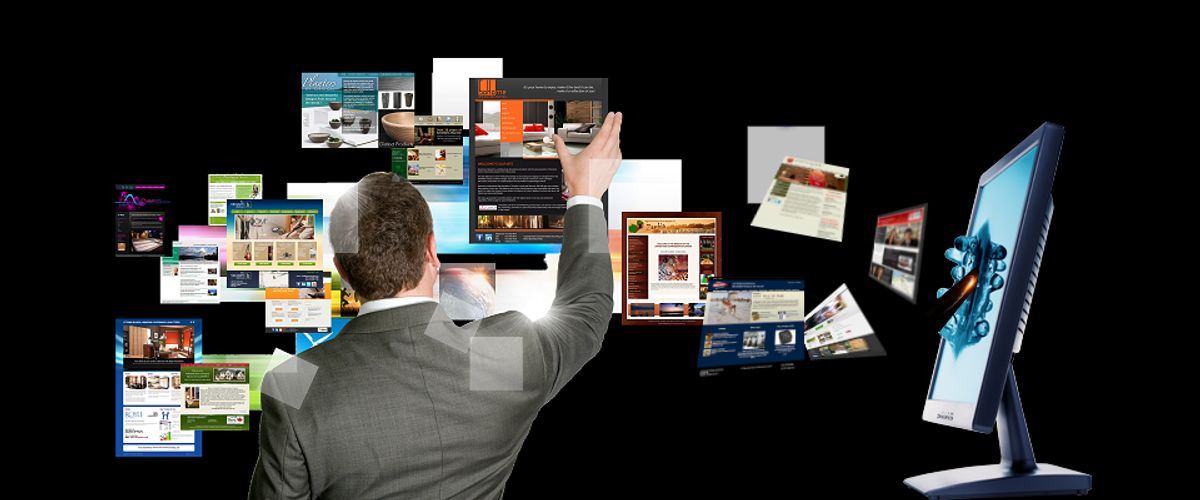
The integration of Personalized Web Experiences AI into the fabric of web design is revolutionizing how users interact with digital platforms. Machine Learning (ML) algorithms are at the forefront of this transformation, meticulously analyzing user behavior to deliver highly personalized content. This not only elevates the user experience but also fosters a sense of individual attention that was once the exclusive domain of in-person interactions.
The essence of personalized web experiences lies in the ability of AI to not only respond to user actions but to anticipate needs and preferences, crafting a digital environment that feels intuitively tailored to each visitor.
By leveraging ML algorithms, web designers can now create dynamic user personas that evolve with each interaction. This continuous learning process ensures that the user's journey is consistently optimized, leading to a more engaging and satisfying experience. Consider the following benefits of AI-driven Personalization:
- Enhanced user engagement through predictive content curation
- Increased conversion rates with targeted design elements
- Improved customer loyalty due to a more personalized web journey
As we delve deeper into the era of Personalized Web Experiences AI, it is imperative for businesses to adapt and embrace these advancements. The future of web design is not just about aesthetics; it is about creating intelligent, responsive environments that resonate with users on a personal level. Embrace the power of AI in your web strategy and witness the transformation in user satisfaction and business outcomes.
Predicting User Behavior and Future Trends in E-commerce
The e-commerce landscape is rapidly evolving, with AI at the helm steering the course of user experience. Predictive analytics, powered by AI, is revolutionizing the way websites engage with users, offering a glimpse into the future of shopping habits and preferences. By meticulously analyzing user data, AI algorithms can forecast individual needs, crafting a shopping experience that feels uniquely personal.
The promise of AI in e-commerce extends beyond mere convenience; it's about creating a connection. Imagine a digital marketplace that not only knows your name but also your style, your size, and even your budget. This is the power of predictive personalization:
- Tailored product recommendations
- Anticipated user needs
- Streamlined shopping journeys
The future of e-commerce lies in the ability to not just respond to user actions, but to anticipate them, creating a seamless and intuitive user journey.
As we look to the future, the integration of AI in e-commerce is not just a trend—it's a transformation. Businesses that harness this technology will find themselves at the forefront, delivering experiences that resonate deeply with consumers. To stay ahead, consider our Enterprise Consultation package, which offers a comprehensive project plan and price estimation, ensuring your web strategy is aligned with the latest AI advancements. Positive reviews highlight the exceptional value of such services, contributing significantly to both personal and professional growth.
Adapting Web Design to Meet Evolving Personalization Norms
As the digital landscape continues to evolve, web design must adapt to meet the ever-changing personalization norms that users have come to expect. AI-driven personalization is no longer a luxury but a necessity for creating engaging and intuitive user experiences. By leveraging machine learning algorithms, designers can craft websites that not only resonate with users on a personal level but also anticipate their needs and preferences.
- Real-time Adaptation: Websites can now dynamically adjust content and layout in real-time, based on user interactions.
- Predictive Behaviors: AI helps predict user actions, allowing for preemptive adjustments to the user experience.
- Continuous Learning: Machine learning enables websites to evolve and improve personalization over time.
The integration of AI into web design is not just about enhancing aesthetics; it's about creating a symbiotic relationship between users and digital platforms, where each interaction is a step towards a more personalized web.
As we look to the future, the role of AI in web design will only become more integral. It's imperative for designers and businesses alike to embrace these advancements to stay ahead of the curve. The question is no longer if we should adapt to AI-driven personalization, but how quickly we can integrate these powerful tools to deliver exceptional user experiences. Embrace the future of web design—let AI take your digital presence to the next level.
Embracing the Future of Web Design with AI
In conclusion, the advent of AI in web design marks a significant paradigm shift towards predictive personalization, offering a future where user experiences are not just reactive but anticipatory. By harnessing the power of predictive analytics and machine learning, designers and developers can create web environments that adapt in real-time to user preferences, enhancing engagement, accessibility, and satisfaction. This intelligent approach to design transcends traditional aesthetics, fostering an inclusive and intuitive digital landscape. As we look forward, it is imperative for professionals in the field to embrace these AI-driven tools and methodologies to stay at the forefront of innovation and to meet the evolving expectations of users in an increasingly personalized digital world.
Frequently Asked Questions
How does AI enhance predictive personalization in web design?
AI enhances predictive personalization by analyzing real-time user data and behavior to predict preferences and tailor web design dynamically. This leads to more intuitive, engaging, and personalized user experiences.
What role does predictive analytics play in user-centric web design?
Predictive analytics, powered by AI, identifies patterns and trends in user data, informing design decisions for more effective and user-friendly websites. It anticipates user actions and optimizes website elements for improved engagement.
How does AI-driven typography and layout adaptation improve the user experience?
AI-driven typography and layout adaptation personalize font sizes, styles, and layouts based on user behavior and preferences, enhancing readability, usability, and accessibility for a more engaging experience.
In what ways does AI act as a catalyst for creativity in web design?
AI enhances creativity in web design by allowing for greater experimentation and innovation. It uses predictive analytics and real-time adaptation to set new standards for intuitive and responsive websites.
How will AI-powered personalization affect SEO strategies in the future?
AI-powered personalization will transform SEO strategies by focusing on individualized user experiences through machine learning algorithms that analyze behavior data to understand and predict preferences and trends.
What are the implications of AI for accessibility in web design?
AI promotes accessibility in web design by automatically adjusting typography and layout for users with visual impairments, making content accessible to everyone and creating a more inclusive web space.
Comments
Post a Comment