The Future of Web Design: How AI Predicts User Preferences for Unmatched User Experiences
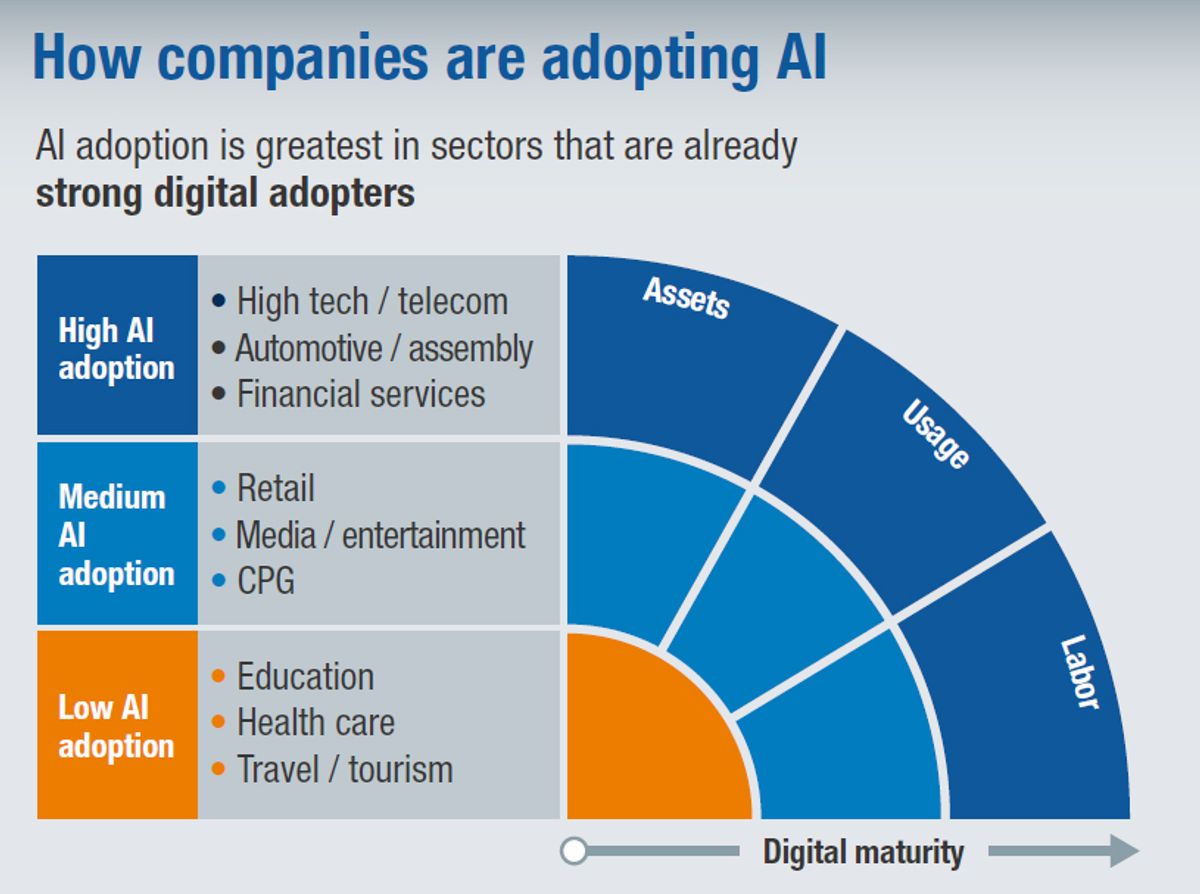
The fusion of artificial intelligence (AI) and web design is paving the way for a future where websites can predict and adapt to user preferences, offering unparalleled personalized experiences. This article delves into how AI is transforming web design, from enhancing user engagement through predictive analytics to driving strategic decisions with the AI feature triangle, and ultimately, reshaping customer engagement and sales forecasting.
Key Takeaways
- AI-driven personalization in web design leverages predictive analytics to tailor user experiences, increasing relevance and engagement.
- The AI feature triangle—balancing aesthetics, functionality, and performance—guides strategic web design decision-making for targeted user engagement.
- AI enhances user stories and feedback analysis, fostering precision and efficiency in meeting user needs and improving design strategies.
- Predictive customer analytics empower marketers and designers with advanced insights into customer behavior, enabling personalized marketing campaigns.
- AI's impact on sales forecasting and customer engagement is significant, allowing businesses to anticipate market shifts and tailor customer interactions.
Revolutionizing Web Design with AI-Driven Personalization
Tailoring User Experiences Through Predictive Analytics
In the digital age, where user attention is a prized commodity, Personalized Web Experiences AI stands at the forefront of revolutionizing web design. By harnessing the power of predictive analytics, designers are now able to tailor user experiences with unprecedented precision. Imagine a web that adapts in real-time to your preferences, anticipates your needs, and presents content in a way that feels almost intuitive.
- Understanding user behavior patterns
- Anticipating user needs
- Delivering content that resonates
These are the pillars upon which AI-driven personalization is built. By analyzing vast amounts of data, AI algorithms identify trends and preferences, enabling a web experience that is not just personalized, but also deeply engaging.
The future of web design is not about creating a one-size-fits-all solution; it's about crafting an experience that feels uniquely tailored to each individual.
As we continue to delve into the capabilities of AI, it becomes clear that the potential for creating addictive, user-centric web designs is immense. The call to action for designers and marketers alike is to embrace this technology, to understand the power of AI in predicting user preferences, and to implement these insights to deliver unmatched user experiences. The journey towards a more personalized web is not just a possibility—it's an unfolding reality.
Enhancing Content Relevance with AI Optimization
In the realm of Web Design Innovation AI, the quest for relevance is paramount. AI optimization tools are transforming the landscape, enabling designers to create content that resonates deeply with users. By analyzing user behavior and preferences, AI crafts a personalized experience that is not just engaging but also highly relevant to each individual's interests.
The process is intricate yet streamlined:
- User behavior is meticulously analyzed.
- Preferences are mapped with precision.
- Engagement metrics guide content delivery.
This AI-driven approach ensures that every piece of content is a step towards a more personalized web experience. The result? A user-centric design that captivates and retains audience attention.
The strategic framework for Customization in AI SaaS is not just a competitive advantage but a necessity in today's digital ecosystem. It is about creating a tailored experience that aligns with the user's unique journey, iterating towards perfection.
Embrace the future where AI not only predicts preferences but shapes them, crafting unmatched user experiences. Let's not just design for the web; let's innovate with AI at the helm. Engage with us, and together, we will redefine the digital experience.
The Role of Sentiment Analysis in User Preference Detection
In the realm of web design, sentiment analysis emerges as a pivotal AI tool, enabling designers to decode the emotional undertones of user feedback. This sophisticated form of analytics goes beyond mere numbers, delving into the qualitative aspects of user data to extract the nuanced preferences and opinions that traditional metrics might overlook.
By leveraging sentiment analysis, designers can identify not just what users do, but how they feel about their interactions with a website. This deeper understanding paves the way for more empathetic and user-centric design choices that resonate on a personal level.
The integration of sentiment analysis into the design process allows for a dynamic feedback loop. AI swiftly sifts through vast datasets to pinpoint common patterns and user suggestions, facilitating a rapid response to the most pressing user needs. Moreover, it measures the significance of different suggestions, offering a granular view of user preferences that is invaluable for tailoring experiences.
Embrace the transformative power of AI in web design. Unlock business potential with AI-powered analytics for personalized recommendations, operational excellence, and sustainable competitive advantage. Your journey towards a more engaging and intuitive user experience begins here.
Strategic Decision-Making in Web Design Using the AI Feature Triangle
Balancing Aesthetics, Functionality, and Performance
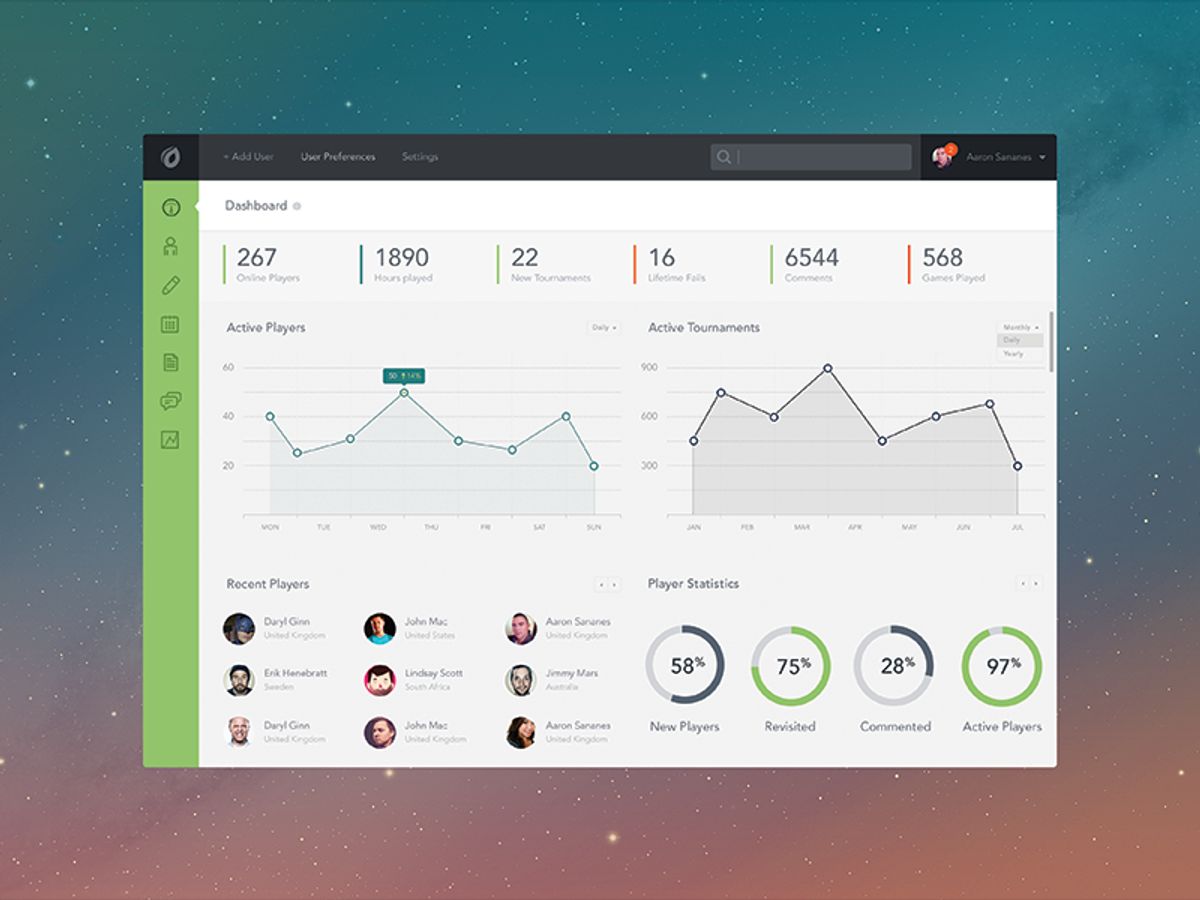
In the realm of web design, the harmonization of aesthetics, functionality, and performance is paramount. AI-driven web aesthetics are not just about visual appeal; they represent the convergence of user-centric design and technological innovation. AI Web Design Best Practices dictate that a website should not only captivate with its beauty but also provide seamless interaction and swift performance.
To achieve this balance, designers must consider the following:
- The visual impact of the design and its alignment with brand identity.
- The intuitive nature of the user interface, ensuring ease of navigation.
- The website's loading speed and responsiveness across devices.
By integrating AI into the design process, we can predict user preferences and adapt in real time, creating a dynamic experience that resonates on a personal level.
The Bles Software website offers insights on leveraging AI for scalable growth in businesses from startup to enterprise, embracing growth with AI, and key strategies for seamless expansion using AI technology. This is a testament to the transformative power of AI in web design, where strategic decision-making is elevated to new heights. As we continue to explore the potential of AI in crafting superior user experiences, the importance of a balanced approach becomes increasingly clear.
AI-Powered Segmentation for Targeted User Engagement
In the realm of AI and UX/UI Design, the fusion of artificial intelligence with user experience has ushered in a new era of personalized web design. AI enhances requirements analysis, design, and prototyping by improving speed, accuracy, adaptability, and stakeholder engagement. It streamlines workflows and fosters innovation in a competitive market.
By harnessing the power of AI, designers can now segment users more effectively, creating experiences that resonate on a personal level. Here's how AI-powered segmentation works in practice:
- Analysis of user data: AI algorithms sift through vast amounts of user data, identifying patterns and preferences.
- Predictive modeling: Machine learning predicts future behaviors, allowing for proactive design adjustments.
- Dynamic content delivery: Content is tailored in real-time, ensuring relevance and engagement.
The result is a web design that not only looks good but feels right to the user, enhancing the overall experience and fostering a deeper connection.
As we continue to explore the intersection of AI and web design, it's clear that the future is personalized. AI's ability to predict and adapt to user preferences is not just a trend; it's the new standard for user engagement. Embrace this transformative approach and watch as your web designs become not just functional, but truly intuitive and engaging. Remember, the goal is to create addictive content that keeps users coming back for more.
Adapting Web Design Strategies with Predictive Market Trends
In the ever-evolving digital landscape, AI in Web Design has become a cornerstone for staying ahead of market trends. By harnessing the power of AI Web Design Tools, designers can now predict and adapt to market shifts with unprecedented precision. Automated Web Design AI systems analyze vast amounts of data to forecast trends, allowing for strategic adjustments in real-time.
The integration of AI for Responsive Design into web development processes ensures that websites not only look aesthetically pleasing but also function seamlessly across various devices and platforms. This adaptability is crucial in a market where user preferences can change overnight.
Intelligent Web Design Technologies are not just about predicting the future; they're about creating it. AI in Creative Web Solutions empowers designers to craft experiences that resonate with users on a personal level, fostering a connection that keeps them coming back for more. The table below illustrates the transformative impact of AI on key web design aspects:
| Aspect | Without AI | With AI |
|---|---|---|
| Aesthetics | Static | Dynamic |
| Functionality | Limited | Enhanced |
| Performance | Inconsistent | Optimized |
By leveraging these technologies, businesses can offer personalized experiences that are not just reactive, but proactive—anticipating the user's needs before they even arise. The Enterprise Consultation package, for example, offers a project plan and price estimation documents, ensuring that every aspect of web design is meticulously planned and executed with high client satisfaction. Stas Sorokin, renowned for his expert AI lectures, underscores the importance of integrating AI into web development consultation services.
Embrace the future of web design with Intelligent Web Design Technologies. Let AI take the helm and steer your online presence towards uncharted territories of innovation and user engagement. Are you ready to transform your web design strategy with AI? Contact us for a consultation and begin your journey to a smarter, more intuitive web presence.
AI-Enhanced User Stories: Crafting Precision and Efficiency in Web Design

Automating User Feedback Analysis for Design Improvements
In the realm of web design, the integration of AI-Enhanced User Experience is not just a trend; it's a transformative shift towards a more efficient and precise approach to user feedback analysis. By leveraging AI, web developers can now sift through vast amounts of user data, extracting actionable insights that lead to more impactful design decisions. This AI-driven process ensures that every tweak and enhancement is aligned with the actual needs and preferences of users.
The benefits of AI for Web Design Efficiency are manifold. AI Web Layout Optimization, for instance, goes beyond aesthetics, ensuring that the layout is not only visually appealing but also maximizes usability and accessibility. Similarly, AI-Powered Design Features can adapt in real-time to user interactions, providing a dynamic and responsive user experience that feels tailor-made.
The synergy between AI and user feedback is revolutionizing the way we think about web design. It's a partnership that promises to deliver designs that are not only beautiful but also incredibly intuitive and user-centric.
To truly harness the power of AI in web design, consider the following:
- A systematic approach to collecting and analyzing user feedback.
- The integration of predictive analytics to anticipate user needs.
- Continuous iteration of design elements based on AI-generated insights.
Embrace the future of web design by incorporating AI-Enhanced User Experience into your projects. Experience the difference in precision and efficiency that AI can bring to your design process. For those seeking to innovate, an experienced web developer with a focus on AI-powered solutions can be a game-changer, offering services that are proactive in issue-solving and committed to client satisfaction.
Leveraging Machine Learning for Dynamic User Story Creation
In the realm of web design, machine learning stands as a beacon of innovation, transforming the way user stories are crafted. By harnessing the capabilities of natural language processing (NLP), AI tools are now able to distill vast amounts of user feedback into coherent and actionable user stories. This not only streamlines the design process but also ensures that the final product resonates with the user's needs and preferences.
The integration of AI into user story creation marks a significant leap towards efficiency and precision in web design.
The process of collecting, analyzing, and prioritizing user requirements has been revolutionized by AI. With an automated prioritization process, the requirements-gathering phase is greatly simplified, allowing for a more focused development effort that aligns closely with user expectations. This is particularly beneficial for professionals like Stas Sorokin, who specialize in web development and AI applications, as it enables them to deliver more personalized and effective web solutions.
By embracing AI in user story creation, designers and developers can anticipate user needs with greater accuracy, leading to enhanced customer satisfaction and loyalty. The table below illustrates the impact of AI on user story efficiency:
| Metric | Before AI | After AI |
|---|---|---|
| Time to Create User Stories | X hours | Y hours |
| Accuracy of User Needs Identification | Z% | A% |
| User Satisfaction Rate | B% | C% |
As we continue to explore the potential of AI in web design, it's clear that the future holds unparalleled opportunities for creating user experiences that are not just functional, but deeply engaging. Remember, the key to unlocking these possibilities lies in the strategic application of AI to understand and predict user preferences. Are you ready to revolutionize your web design approach?
Sentiment Analysis for a Deeper Understanding of User Needs
In the realm of web design, sentiment analysis stands as a beacon, guiding the digital architects towards a deeper understanding of user needs. By harnessing the power of AI-driven sentiment analysis, designers can decode the emotional undertones of user feedback, transforming raw data into actionable insights. This process not only identifies what users are saying but also how they feel about their experiences.
The integration of sentiment analysis into the design process is a strategic move towards empathetic design. It allows for:
- The detection of subtle user emotions and opinions
- Prioritization of design changes based on emotional impact
- A more nuanced approach to user experience enhancements
The true essence of user-centric design lies in the ability to empathize with the end-user, to feel the pulse of their needs and preferences through the lens of sentiment analysis.
As we continue to navigate the digital landscape, it is imperative for designers to embrace AI metrics for strategic growth. The insights gleaned from sentiment analysis are invaluable, enabling a level of personalization that resonates with users on an emotional level. By optimizing marketing ROI with AI analytics, we can improve customer targeting and personalization, ensuring enduring success. The future of web design is not just about aesthetics; it's about creating connections that last.
Predictive Customer Analytics: A Game Changer for Marketers and Designers
Harnessing AI for Advanced Customer Behavior Insights
In the realm of web design and marketing, AI-driven analytics enhance customer engagement, loyalty, and revenue through personalized experiences. The strategic investment in AI-Enhanced SaaS Services is not just a trend; it's a cornerstone for growth and competitive advantage. By leveraging the power of AI, businesses can delve into the depths of data to unearth the goldmine of customer insights.
Delivering personalized experiences is crucial for building strong customer relationships and driving loyalty. AI-powered customer engagement solutions leverage data analytics, machine learning, and natural language processing (NLP) to deliver personalized interactions across various touchpoints. Tailoring marketing messages, product recommendations, and customer support to individual needs not only drives engagement and satisfaction but cements customer loyalty.
The transformative power of AI in understanding and predicting customer behavior is unprecedented. It equips businesses with the foresight to not just react to customer needs, but to anticipate and shape them.
Creating effective marketing tactics hinges on a deep understanding of consumer behavior and preferences. Predictive customer analytics employs AI and machine learning to sift through customer data, identifying patterns and trends that provide crucial insights into future behavior. This enables marketers to maximize client acquisition, retention, and lifetime value.
Remember, the future of web design is not just about aesthetics; it's about creating an ecosystem that resonates with the user at every level. Embrace AI-driven customer analytics to stay ahead of the curve and deliver unmatched user experiences.
Predictive Analytics in Personalized Marketing Campaigns
In the realm of digital marketing, personalization is the cornerstone of customer engagement. Predictive analytics harnesses the power of AI to dissect vast datasets, revealing insights into consumer behavior that fuel hyper-personalized marketing strategies. By leveraging machine learning, marketers can now anticipate the needs and preferences of individuals, crafting campaigns that resonate on a deeply personal level.
- Understanding customer behavior patterns
- Identifying high-value customer segments
- Predicting future purchasing trends
The fusion of predictive analytics with personalized marketing is not just a trend; it's a transformative force that redefines the landscape of customer interaction.
The implications for customer acquisition, retention, and lifetime value are profound. Marketers equipped with predictive analytics can fine-tune their campaigns, ensuring that each message is not only heard but felt by the audience. This strategic approach leads to a more authentic connection between brand and consumer, fostering loyalty and driving sales. Embrace the future of marketing—where AI meets human desire—and witness the growth of your brand. Remember, with tools like Fiverr Pro, you're never alone in your quest for excellence in marketing campaigns.
Improving Customer Engagement with AI-Driven Recommendations
In the digital marketplace, personalization is the cornerstone of customer engagement. AI-driven recommendations are not just a trend; they are a transformative force in how businesses interact with their customers. By harnessing the power of AI, companies can analyze vast amounts of data to understand customer preferences and predict future behaviors. This insight allows for the crafting of personalized experiences that resonate on an individual level, fostering a sense of value and connection.
Unlock the power of AI-driven analytics for data-driven growth. Personalize services, enhance customer engagement, and optimize decision-making with AI solutions. Transform your business with predictive analytics and AI insights.
The implementation of AI-driven recommendations goes beyond mere guesswork; it is a strategic approach that involves several key steps:
- Gathering and analyzing customer data to discern patterns and preferences.
- Utilizing predictive analytics to anticipate customer needs and interests.
- Delivering tailored content and product suggestions that align with individual user profiles.
By integrating these steps, businesses can achieve a level of personalization that not only meets but exceeds customer expectations, leading to increased loyalty and sales. The call to action for today's savvy businesses is clear: embrace AI-driven recommendations to stay ahead of the curve and deliver unmatched user experiences.
The Impact of AI on Sales Forecasting and Customer Engagement
AI Solutions for Accurate Sales Projections
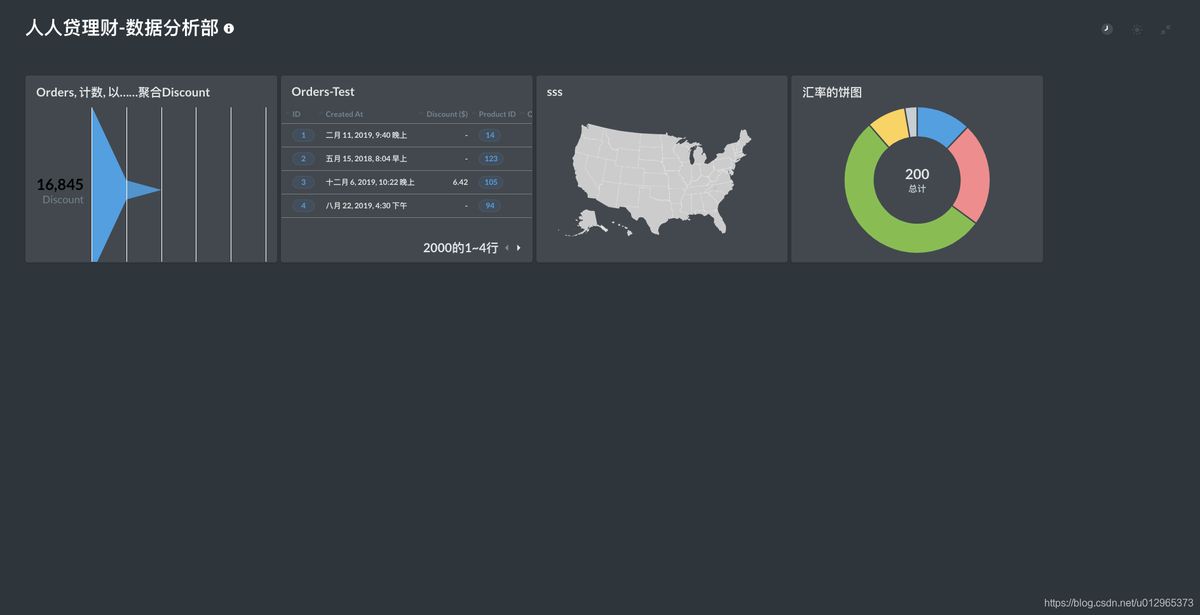
In the realm of web design and marketing, AI transforms business strategies with data-driven foresight, actionable insights, and personalized experiences. Sophisticated algorithms are at the forefront, turning past sales data, industry trends, and external factors into precise sales projections. This revolution in sales forecasting empowers marketers to seize new opportunities and mitigate risks.
AI-powered sales forecasting is not just about predicting the future; it's about creating it. By leveraging AI models for data-driven decision-making, businesses optimize inventory management and resource allocation, paving the way for sustainable growth and efficiency.
The benefits of AI in sales forecasting are manifold:
- Enhanced accuracy in predicting sales trends and demand patterns.
- Ability to adapt to market changes with agility.
- Improved inventory management through precise demand forecasting.
- Strategic resource allocation to capitalize on market opportunities.
Embrace the power of AI in your web design and marketing strategies. Let predictive analytics be your guide to a future of unmatched user experiences and robust business growth. Dive into the world of AI-driven personalization and watch your engagement metrics soar.
Enhancing Customer Loyalty with Personalized AI Interactions
In the realm of web design and digital marketing, personalization is the cornerstone of customer loyalty. AI-driven technologies are transforming how businesses interact with their customers, offering unprecedented levels of personalization. By harnessing the power of data analytics and machine learning, companies can now deliver highly tailored experiences that resonate with individual preferences and behaviors.
The integration of AI into customer engagement strategies is not just a trend; it's a paradigm shift that redefines the essence of customer relationships.
For instance, AI-powered email marketing platforms analyze customer data to optimize content and timing, resulting in increased open rates and conversions. Similarly, chatbots and virtual assistants provide real-time support, enhancing the customer experience across various digital touchpoints. These AI interactions are not just about efficiency; they're about building a connection that fosters loyalty and trust.
To truly capitalize on AI's potential, consider the following steps:
- Leverage predictive analytics to anticipate customer needs and preferences.
- Utilize machine learning to segment audiences and personalize marketing campaigns.
- Implement AI-driven chatbots for real-time, personalized customer support.
Predictive analytics empowers decision-makers with foresight, guiding SaaS companies towards data-driven growth. Benefits include accurate predictions, resource optimization, and anticipating customer needs through AI-driven insights and personalized recommendations. Embrace these technologies to not only meet but exceed customer expectations, ensuring your brand remains at the forefront of their minds.
Anticipating Market Shifts with Predictive Analytics
In the ever-evolving landscape of web design and online marketing, AI-driven predictive analytics transform businesses by not only reacting to user needs but by proactively anticipating them. This foresight is not a mere luxury but a strategic imperative for those aiming to lead in their respective markets.
- Predictive analytics empower designers and marketers to foresee user behavior and preferences.
- They enable the crafting of dynamic pricing strategies that align with market dynamics and customer expectations.
- By analyzing vast datasets, AI tools provide actionable insights that drive growth and innovation.
The integration of predictive analytics into web design and marketing strategies marks a pivotal shift towards data-driven decision-making and resource optimization.
As we harness the power of predictive analytics, we unlock the potential to not only meet but exceed customer expectations, ensuring that every interaction is tailored, relevant, and engaging. The result? A significant uplift in customer loyalty and a robust foundation for sustained business success. Embrace the transformative capabilities of AI and predictive analytics to stay ahead of the curve. Let's innovate together—join us on this journey to redefine the digital experience.
Conclusion
The integration of AI into web design marks a transformative era where user experiences are not just designed but predicted and dynamically tailored. As we have explored, AI's predictive capabilities enable the creation of web environments that adapt to user preferences in real-time, offering a level of personalization previously unattainable. The future of web design is one where AI-driven insights inform content strategies, enhance user engagement, and foster deeper connections through personalized interactions. By harnessing the power of AI to analyze vast datasets and anticipate user needs, designers and marketers can craft experiences that resonate on a personal level, driving both satisfaction and loyalty. As we continue to refine these AI systems, the potential for innovation in user experience design is boundless, promising a landscape of web design that is as intuitive as it is engaging. The academic discourse surrounding this topic underscores the significance of strategic decision-making informed by AI, ensuring that the web designs of tomorrow are not only aesthetically pleasing but also deeply rooted in the understanding of user behavior and preferences.
Frequently Asked Questions
How is AI transforming web design for better user experiences?
AI is revolutionizing web design by predicting user preferences and creating dynamic, responsive designs that enhance user experience and engagement. It uses predictive analytics to tailor content and interfaces to individual users' behaviors and interests.
What role does AI play in content optimization for web design?
AI-driven content optimization systems analyze user behavior, preferences, and engagement metrics to deliver personalized content recommendations. This helps in optimizing content strategies, identifying popular topics, and delivering relevant content to drive traffic and conversions.
Why is sentiment analysis important in understanding user preferences?
Sentiment analysis, powered by AI, helps measure the significance of user feedback by identifying common patterns and emotions in large datasets. This provides a detailed view of user preferences and enables quick, informed responses to critical user needs.
How does AI enable personalized marketing campaigns?
AI enables hyper-personalized marketing by analyzing massive volumes of client data, such as browsing history and social media interactions. This allows marketers to segment audiences and deliver tailored messages that increase engagement and foster long-term relationships.
In what ways does AI contribute to accurate sales forecasting?
AI-powered predictive analytics utilize advanced algorithms to analyze historical data, identify patterns, and forecast future trends. This helps businesses anticipate customer behavior and market trends, leading to data-driven decisions and optimized resource allocation.
How does AI improve customer engagement and loyalty?
AI-powered customer engagement solutions deliver personalized interactions across touchpoints by analyzing customer data and preferences. This tailoring of marketing messages, product recommendations, and support interactions drives satisfaction and customer loyalty.
Comments
Post a Comment